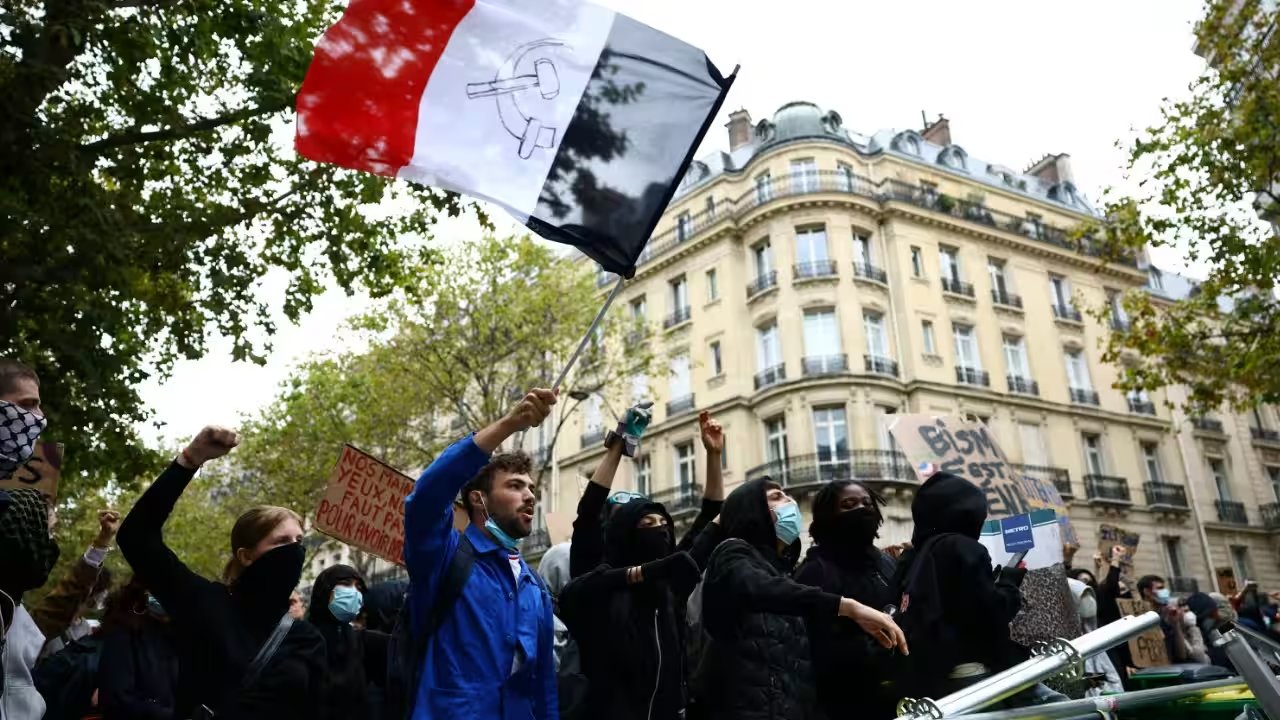
In mid‑September, high‑school students in the Paris region blocked school entrances, joining teachers in a protest over a chronic lack of resources. They soon joined university students, parents and trade unions, turning the demonstrations into a nationwide movement. More than 6,500 people, most of them minors, have been arrested, while hundreds of schools have been disrupted. A 15‑year‑old boy in Lens lost a hand during a clash, prompting the government to suspend the use of stun grenades.
Within weeks, the unrest crossed borders, with hundreds of students in Liège, Belgium, taking to the streets to protest rising education costs and overcrowded classrooms. Similar occupations erupted in Turin and Rome, Italy, as students demanded better funding and safer facilities. In Greece, nationwide school actions—including walkouts and potential occupations—have been called by students seeking greater investment.
The protests come against a backdrop of fiscal pressure, as France grapples with a mounting deficit and tight public spending. Government officials have pledged reforms, but many young people insist on concrete changes rather than vague assurances.
Across the continent, students in Ireland, Germany, and Austria are staging demonstrations over tuition fees, teacher shortages and budget cuts, echoing the same core grievances. Each country’s situation is distinct, yet the shared demand for increased public investment in education is unmistakable.
Investigations into police conduct are underway, while the French government is reviewing its education budget. Officials say a comprehensive review will be presented to parliament next month.