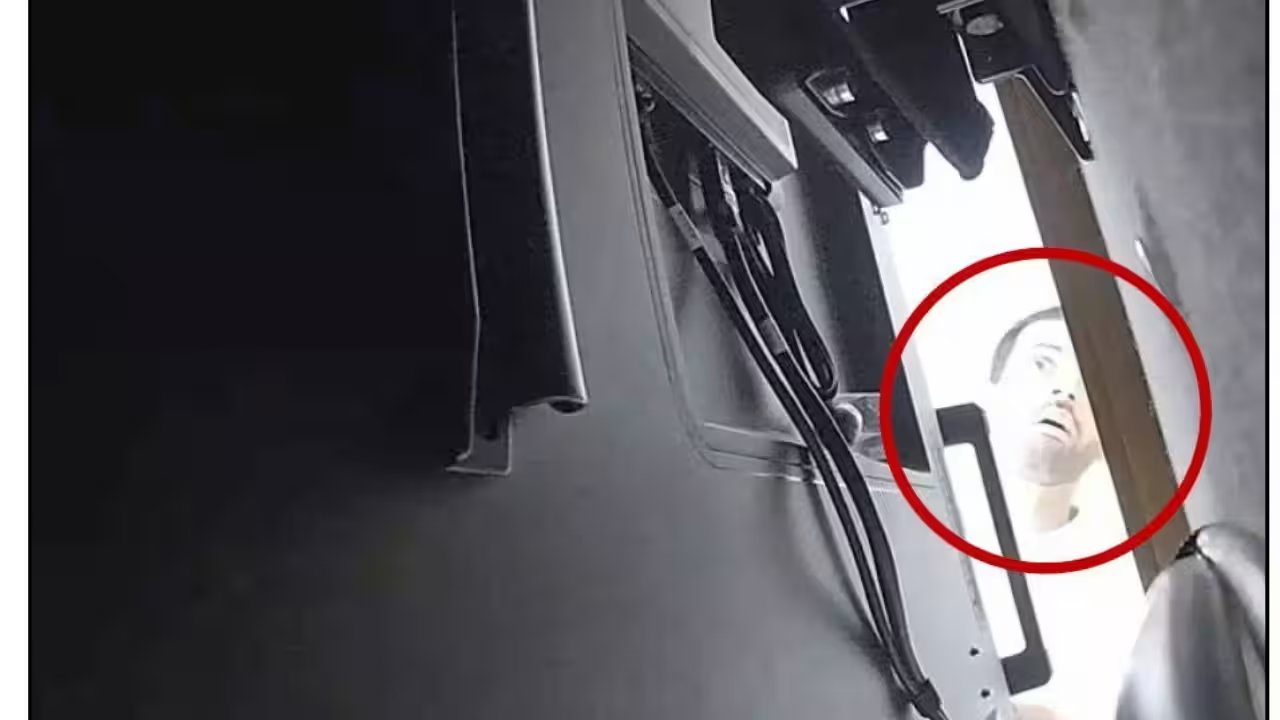
On October 9, U.S. authorities detained Abdulrahman Alfozan, a former OpenAI engineer, in San Francisco. Prosecutors say he had been hired in July 2025 and earned $385,000 a year plus a $2.2 million equity grant. The arrest followed a 11‑page court filing that identified a hidden USB‑door hidden in a television’s back panel on September 28.
The device, wired into the USB port, was designed to store encrypted audio and remained active for several days. The conference room in which it was hidden hosts meetings that include confidential technical, commercial, and strategic discussions—some involving government officials.
WhatsApp exchanges between Alfozan and an unnamed Saudi royal, uncovered in the filing, show the royal urged him to return to Riyadh and join a national AI initiative. The royal wrote, “Saudi needs you more than the US!” prosecutors say Alfozan agreed but said he would postpone the move until his company stock vested.
Alfozan was slated to depart for Riyadh on October 12, but his wife and three‑month‑old son left the U.S. on October 10 on business‑class tickets bought by a Saudi military official. The filing alleges that he intended to recover the recording equipment before leaving.
OpenAI terminated Alfozan’s employment following the arrest, and a judge denied his request for home confinement, citing flight risk. He is scheduled to appear before a federal court in early November.
The case underscores growing concerns over AI‑related espionage and the potential national‑security risks of covert surveillance in tech firms.