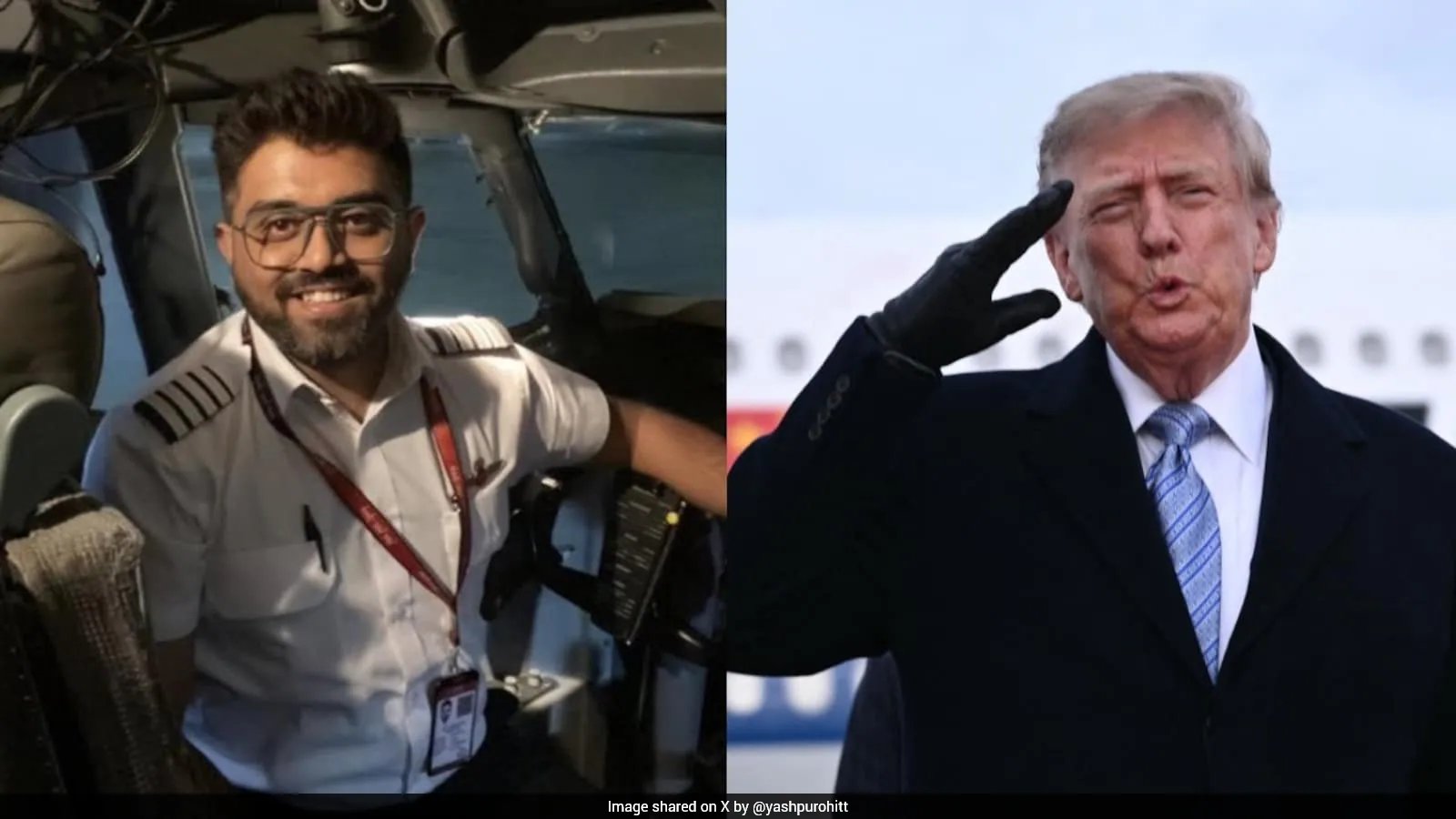
Smit Machchhar, an Indian pilot, halted a knife assault by a co‑pilot on a flydubai flight from Dubai to Tel Aviv. The attacker seized Machchhar, stabbed him, and tried to force the aircraft toward a crash; Machchhar opened the cockpit door, shouted for help, and managed to escape to the cabin. Passengers witnessed a frantic struggle, and a plumber—who had never flown before—intervened, pulling the co‑pilot off his seat and throwing him backward. The co‑pilot was later detained by security staff.
Trump praised Machchhar in the Oval Office, stating he had spoken to Israeli Prime Minister Benjamin Netanyahu about the event. He called the co‑pilot a terrorist or a “whack‑job” and described the pilot’s actions as heroic. Netanyahu echoed the praise, noting the incident highlighted a serious security breach.
Passengers recounted that after the plumber’s intervention, other crew members rushed to the cockpit and took control. The co‑pilot’s attempt to commandeer the plane was thwarted, and the aircraft landed safely in Saudi Arabia. The airline’s flight crew kept the cabin calm while the emergency response unfolded.
The incident has sparked calls for stricter cockpit security measures across airlines. Aviation authorities are reviewing protocols to prevent similar threats in the future. Industry experts warn that the incident could prompt new regulations on in‑flight security.
Flydubai’s spokesperson declined to comment on internal security reviews, but the airline confirmed it would investigate the breach. The event has already prompted international discussion on cockpit safety standards. Officials are preparing to address the issue at upcoming aviation safety forums.