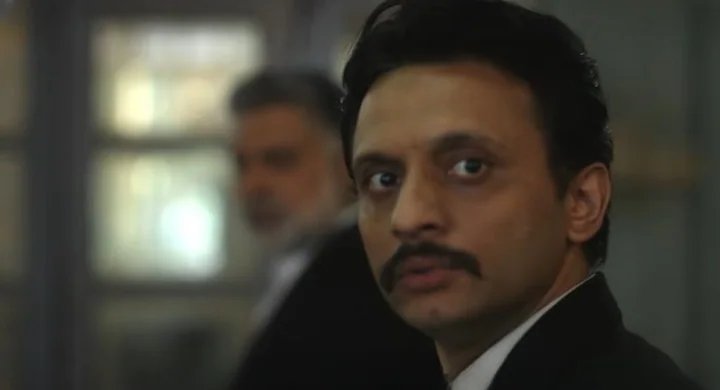
The past decade has seen Zeeshan trade villainy for hope. From a hard‑edged antagonist in No One Killed Jessica to a warm ally in Hunkkaar, his shift feels more like a personal manifesto than a career move.
When the script for Real Kashmir Football Club hit his desk, he almost walked away. “I was scared that the show would turn into a political circus,” he told NDTV, but a chat with director Mahesh sir changed the narrative. “We’re not going to talk about politics; we’re going to talk about people,” Mahesh said, and the series became a quiet ode to Kashmiriyat that resonated with audiences who crave stories of resilience over rhetoric.
Zeeshan’s honesty isn’t just a theme on screen; it’s his armor in real life. He admits that his outspoken streak has cost him quiet nights and a few awkward conversations, but he’s never flinched. “If I speak honestly, I am bored of playing these good guys,” he mused, revealing the paradox of his career: the more he stays true to himself, the more he feels the system’s pressure to fit into a box.
That pressure is what pushed him to break the mold. He slid from negative roles to an ally‑to‑hero arc, then to a cop, and now to a character that carries the weight of an entire village’s hope in Hunkkaar. “It takes an extra effort to make these roles relatable and not boring,” he said, acknowledging the fine line between inspiration and melodrama.
Next up, Zeeshan is set to head the ensemble of Shraddha Kapoor’s Eetha, a film that promises fresh storytelling. While details on the plot are still under wraps, his involvement signals a bold step toward bigger, more nuanced characters. Fans and critics alike will be watching to see if his debut as a lead can match the depth he’s shown in supporting roles.
What’s next? If his trajectory so far is any indication, Zeeshan is not just chasing a title; he’s chasing a new narrative space for Indian cinema—one where the truth is front and center, and the villain’s face can shift into a hopeful one without losing its edge.