Endurance Overseas SpA closed a €12.34 million transaction on October 6, 2026 to take full control of Fondalpress SpA, a 50‑year‑old Italian die‑casting plant that churns aluminium parts for cars. The purchase was made by acquiring the parent company Anna Milena SpA, which owned 99.5 % of Fondalpress, and buying the remaining 0.5 % from individual shareholders, all in one swoop.
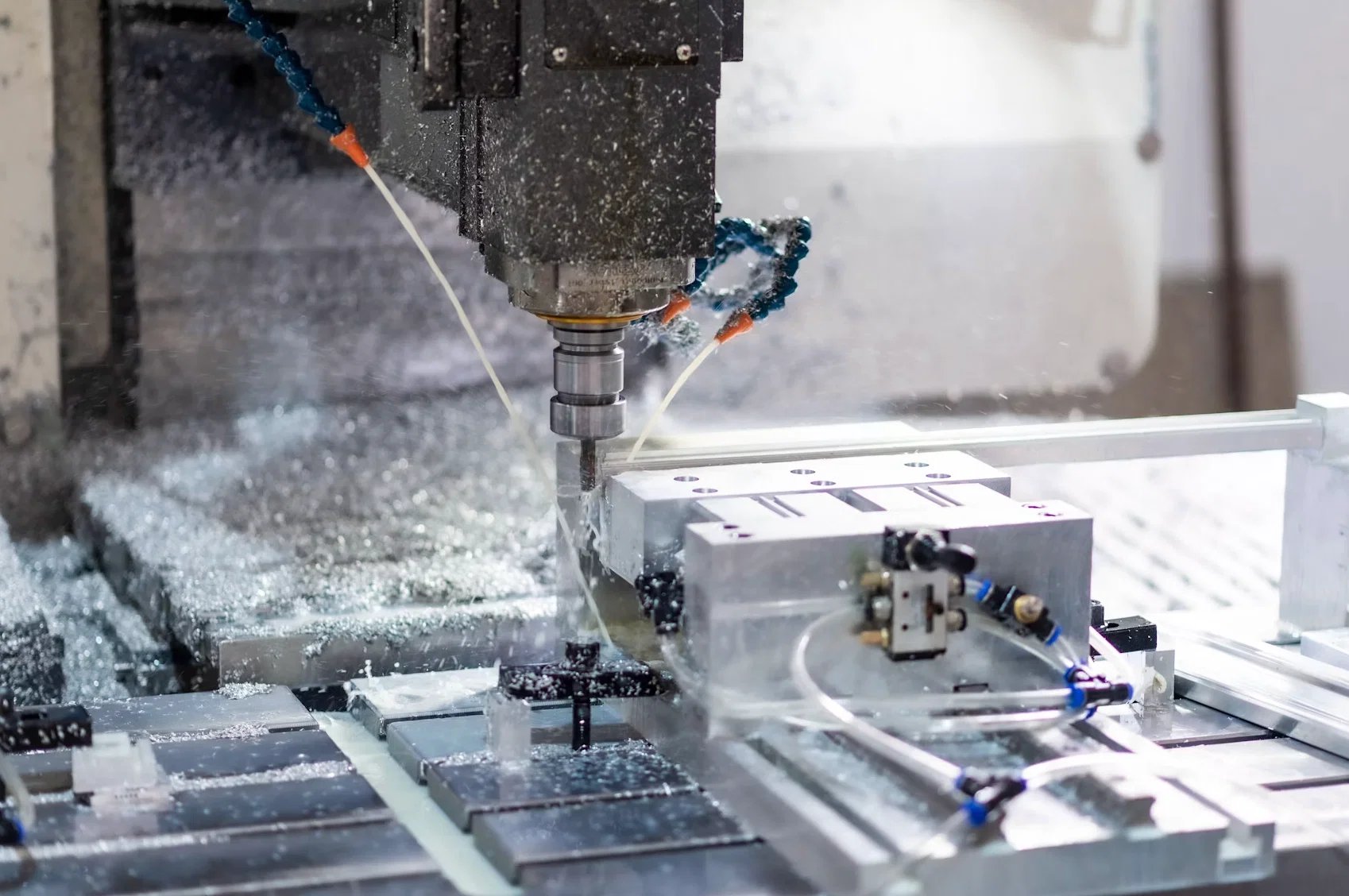
Fondalpress is a specialist in die‑casting and machining of aluminium components that end up on the chassis, body and power‑train of modern vehicles. In 2023 it generated €36.40 million in revenue but only €0.30 million in profit after tax, a trend that has seen the turnover slide to €32.20 million in 2024 and a projected €26.60 million in 2025, where it will likely post a loss. The plant’s capacity sits at roughly 1.2 million aluminium parts per year, spread over a 30,000‑square‑meter footprint.
For buyers, the key takeaway is that Endurance now owns an extra production line that can be tapped for high‑volume aluminium panels and engine blocks, especially those destined for electric‑vehicle (EV) platforms that favor lightweight construction. With tighter EV mandates in Europe and India, having a reliable die‑casting partner that can scale up quickly reduces the risk of supply bottlenecks and may keep component prices steadier. Competitors like Alcoa and ArcelorMittal already have European plants, but Endurance’s new foothold gives it a foothold in the Italian market, where a number of OEMs, from Fiat to Porsche, source critical parts.
Looking ahead, Endurance plans to integrate Fondalpress’s tooling and workforce into its existing European network within the next 12 months. The move should raise Endurance’s overall European aluminium component output by roughly 40 %, a figure that would put it on par with the top two die‑casting suppliers on the continent. For EV buyers, this means a more resilient supply chain and, potentially, a modest drop in per‑unit component costs as economies of scale kick in. The acquisition is already complete, so the new capacity is expected to be operational by early 2027, just in time for the next wave of high‑range EV launches.