Ashwini VaishnawMobile ManufacturingPLI SchemeIndia EconomyMPMS
Vaishnaw: Mobile Sector's ₹25,000 Cr Tax Bill Surpasses ₹19,000 Cr Government PLI Payouts
Published: October 28, 2026
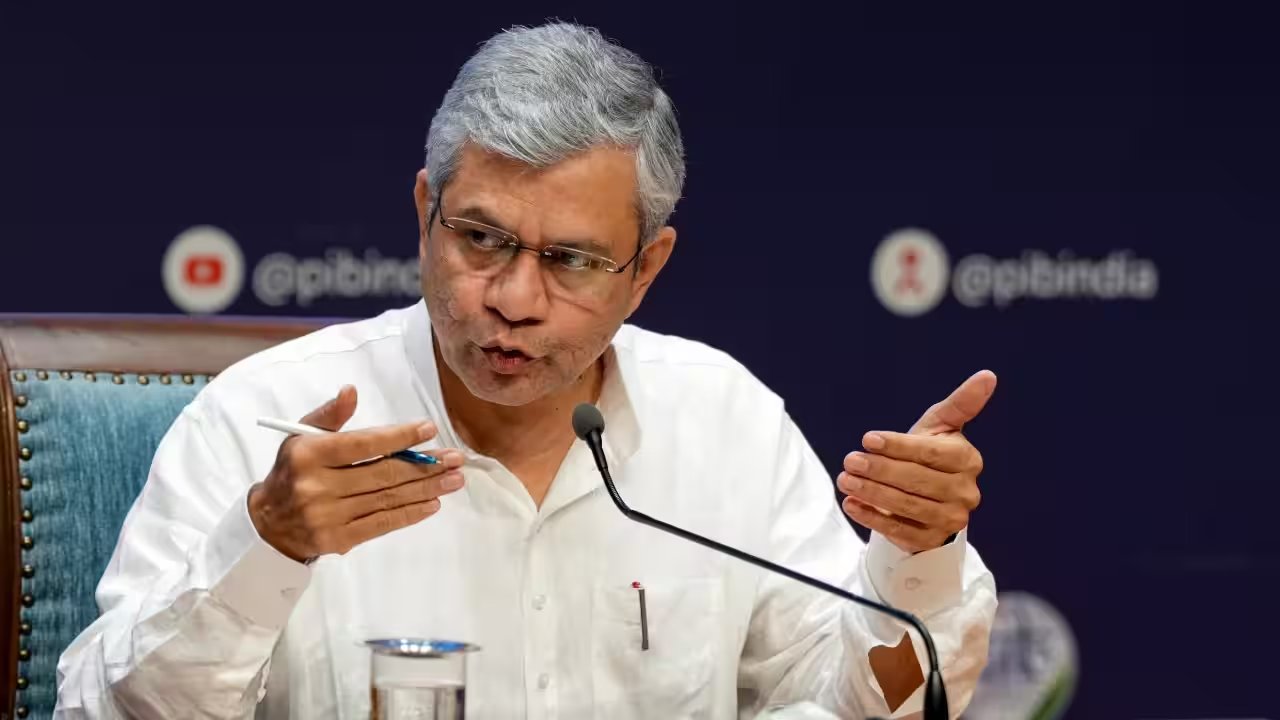
Union Minister Ashwini Vaishnaw revealed on Wednesday that India's mobile manufacturing sector generated ₹25,000 crore in direct taxes, significantly exceeding the ₹19,000 crore disbursed under the PLI scheme. The government will now execute the ₹62,500 crore Mobile Phone Manufacturing Scheme (MPMS) to deepen domestic supply chains and target ₹39 lakh crore in production by 2030.
The math is now in India’s favour. Union Minister for Electronics and IT Ashwini Vaishnaw stated on Wednesday that the mobile sector contributed ₹25,000 crore in direct tax collections, a figure that comfortably eclipses the ₹19,000 crore the government spent on Production-Linked Incentive payouts. This data point lands just as critics in the press and opposition circles have been questioning whether the 'Make in India' model for smartphones is merely a subsidy drain. Vaishnaw dismissed these reports, framing the sector not as a cost center, but as a net revenue generator for the exchequer.
The fiscal footprint extends beyond direct taxes. Vaishnaw added that the sector contributed an additional ₹3,000 crore in Goods and Services Tax (GST) receipts. On the employment front, the minister highlighted that electronics manufacturing employs 25 lakh people, with mobile manufacturing alone accounting for 12 lakh jobs. These figures aim to shift the narrative from a debate on export volumes to a debate on domestic economic integration.
With the old PLI scheme for large-scale electronics manufacturing having ended on March 31, 2026, the focus has shifted to the newly approved Mobile Phone Manufacturing Scheme (MPMS). The Union Cabinet cleared the MPMS in July, allocating a massive ₹62,500 crore for the period spanning FY 2026-27 to FY 2030-31. The objective is no longer just to get phones made in India, but to ensure the components and sub-assemblies come from within the country.
Incentives under the MPMS range from 2.25% to 5% on eligible sales, with a specific 1.5% bonus for domestic sourcing. The ministry projects that mobile phone production will reach approximately ₹39 lakh crore over the scheme's tenure, creating around 60,000 new direct jobs. The programme also includes dedicated incentives for design and R&D to bolster Indian-owned mobile brands, a sector that has historically struggled against the dominance of global giants like Xiaomi and Samsung.
The next phase of this industrial push will be defined by how quickly local component suppliers can scale up to meet the new demand. Industry analysts will be watching the first few quarters of FY 2026-27 closely to see if the promised increase in domestic value addition materializes on the factory floor, rather than just in policy documents.