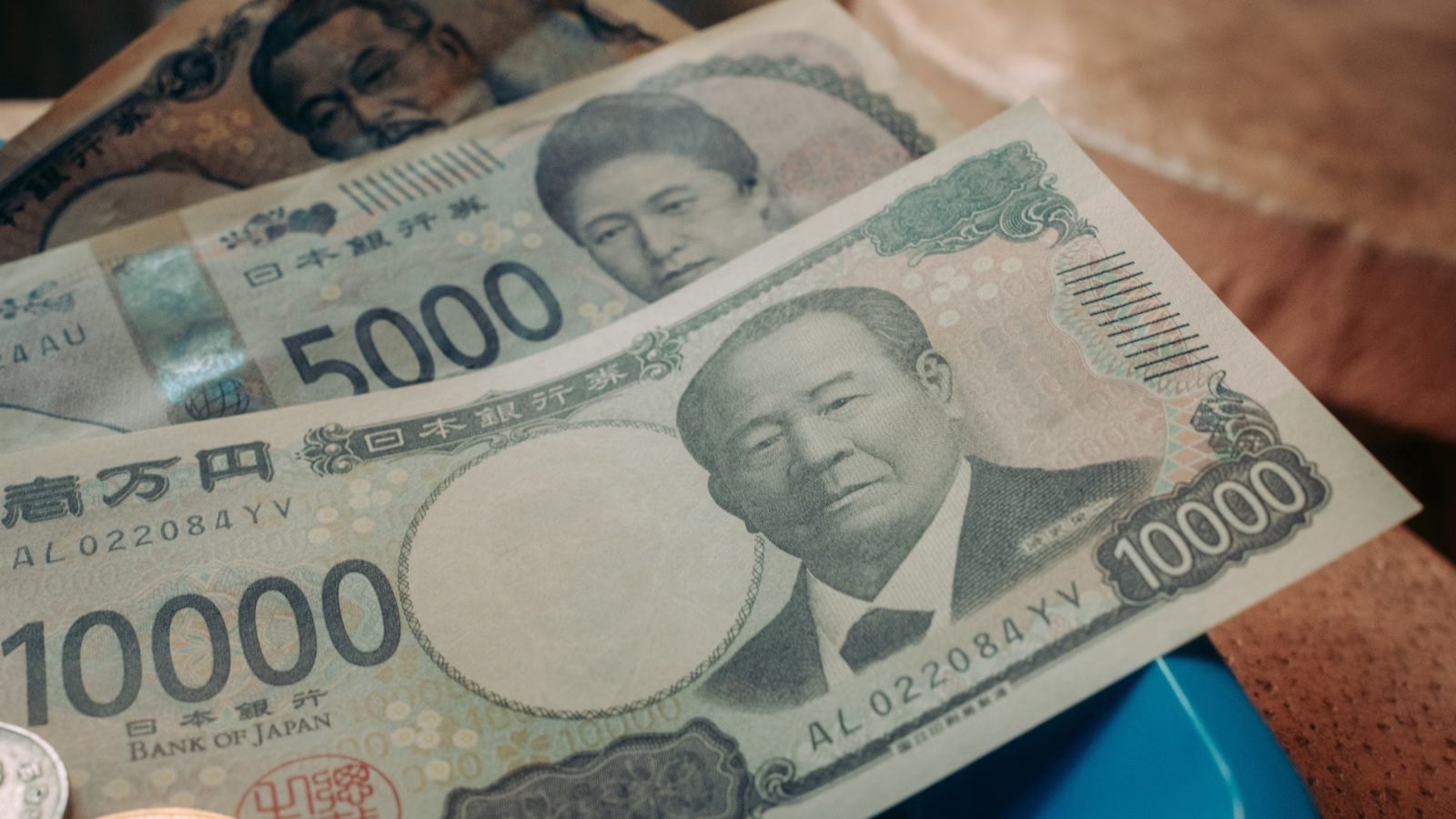
The Japanese yen breached the closely watched 160-per-dollar mark for the first time since September before snapping back as intervention alarms sounded across Tokyo dealing desks. Spiking US Treasury yields propelled the greenback, dragging the yen down as much as 0.2% in volatile trading. The slide halted abruptly. Bids flooded the book once the pair tested the psychological tripwire, pulling the Japanese currency back to close down less than 0.1% at 159.88 per US dollar.
Traders pulled their punches.
Market participants treat 160 as the red line where Japanese authorities transition from verbal rhetoric to direct spot market intervention. Earlier this year, Tokyo executed coordinated action alongside Washington to stem currency depreciation, establishing precedent that short-sellers ignore at their peril.
The moment 160 popped, it seemed like resistance. Traders established that anything beyond that is unacceptable and unlikely to remain per financial authorities who want to see the yen propped up, protected, valued higher." >
Juan Perez, Foreign Exchange Trader at Monex USA
Japan’s chief currency official, Vice Finance Minister for International Affairs Atsushi Mimura, issued a stern public warning on Thursday, stating that recent exchange rate swings were unfolding "too fast." Mimura pointedly reminded market players of Tokyo's aggressive currency-market counterattacks earlier this year, when the currency plummeted toward a four-decade low of nearly 164 per dollar.
Official government doctrine insists that intervention decisions hinge on the speed and disorderliness of price discovery rather than hard mathematical levels. Yet the psychological gravity of 160 continues to anchor desk positioning.
| Currency Metric / Action | Level / Figure | Context |
|---|---|---|
| Session Low | >160.00 / USD | First breach since September |
| Session Close | 159.88 / USD | Finished down <0.1% |
| Maximum Intraday Drop | -0.2% | Driven by surging US bond yields |
| Summer Intervention Spend | ¥15.4 Trillion | Deployed across 3 rescue operations |
| Historic Low Trough |
"Markets are jittery about potential FX intervention whenever we approach the 160 area," noted Win Thin, chief economist at Bank of Nassau 1982.
Tokyo's firepower is documented and formidable. Over the summer, Japanese financial authorities intervened in the spot foreign exchange market on three separate occasions, deploying a combined ¥15.4 trillion to aggressively purchase yen and squeeze speculative shorts. That offensive culminated in late July with an unprecedented joint intervention conducted in tandem with authorities in Washington.
Market Context: The yen remains caught in a structural crosscurrent between wide US-Japan interest rate differentials and the ever-present threat of physical intervention by Japan's Ministry of Finance. While climbing US yields consistently incentivize carry traders to borrow yen and buy dollars, Tokyo's proven willingness to dump foreign currency reserves creates asymmetric risk for funds pushing beyond 160.
Some institutional desks argue that another physical market entry is not immediate. Howard Du, foreign exchange strategist at TD Securities, observed that near-term intervention risk remains contained because the market retains healthy respect for prior state actions. "Memory of the Ministry of Finance’s intervention is still fresh," Du said.
Whether Tokyo deploys its reserve war chest again will depend on how aggressively macro funds test the 160 boundary as US yield movements dictate global capital flows.
| ~164.00 / USD |
| 40-year nadir touched earlier this year |