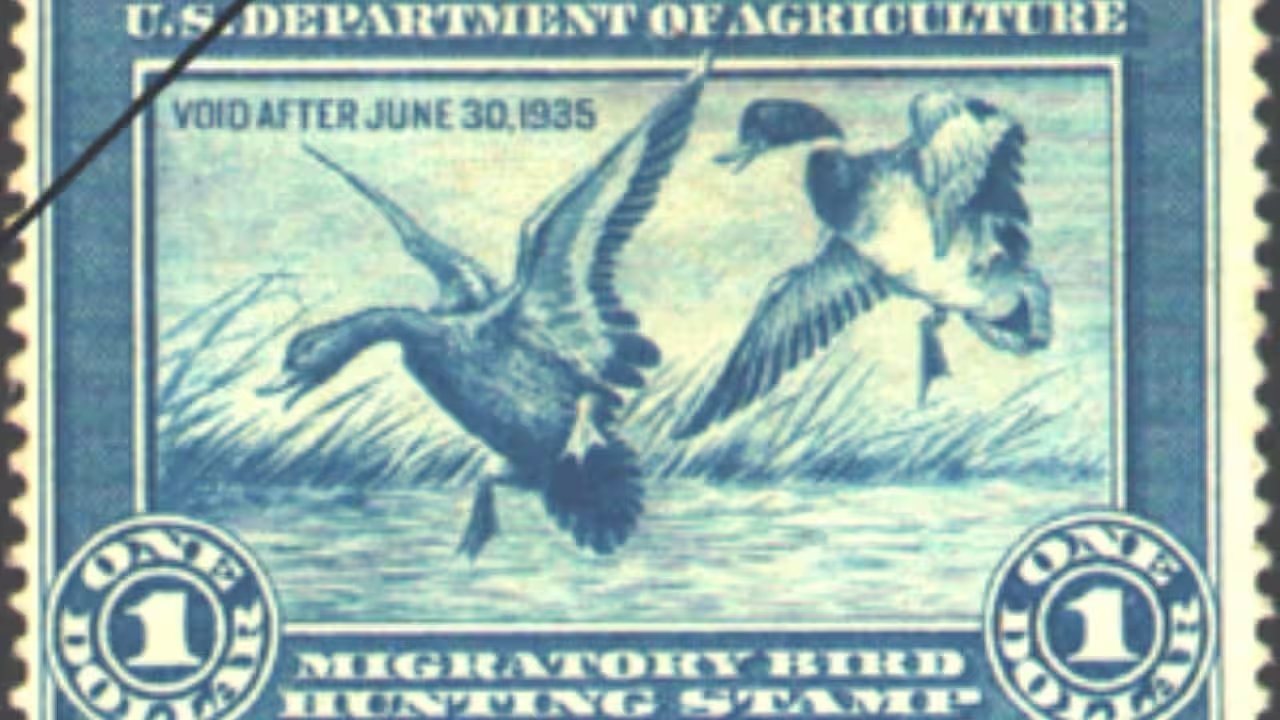
The United States, via its Federal Duck Stamp Program launched by President Franklin D. Roosevelt in 1934, has raised $1.3 B, protecting 6 million acres of wetlands. The first stamp cost $1 and featured a mallard designed by Jay N. Ding Darling, then director of the Bureau of Biological Survey. Hunters aged 16 and older were required to purchase the stamp annually, turning hunting revenue into a dedicated conservation fund.
In the early 1930s, the Great Depression and widespread wetland drainage had driven waterfowl populations to a nadir. The Migratory Bird Hunting Stamp Act, signed on 16 March 1934, aimed to reverse that trend by tying a hunter’s license to wetland protection. According to the U.S. Fish & Wildlife Service, 98 cents of every dollar spent on the stamp goes directly into the Migratory Bird Conservation Fund, funding acquisitions and easements that benefit not only waterfowl but also flood control, water purification and recreation.
Since its inception, the program has evolved into a cultural icon. The Federal Duck Stamp Contest, first held in 1949, invites artists to submit designs that become the stamp for the following year. Over 300 national wildlife refuges have been created or expanded with stamp revenue, and the program now adds roughly 1,400 acres of wetlands each year, a figure that dwarfs the original 6‑million‑acre target.
For hunters, the stamp is more than a fee. 45‑year‑old Tom Lee of Nebraska pays $20 a year for a modern stamp and now enjoys free entrance to the Prairie Valley Refuge, where his children learn about wetland stewardship. The program’s reach extends to collectors, birdwatchers and conservationists, all of whom can purchase a stamp, thereby contributing to a fund that safeguards millions of acres.
The next chapter arrives in October with the 2026 art contest, where the winning design is expected to generate an additional $15 million in stamp sales. That money will be earmarked for the acquisition of critical habitat in the Midwest, ensuring that the program’s legacy of linking hunting and conservation continues for another century.