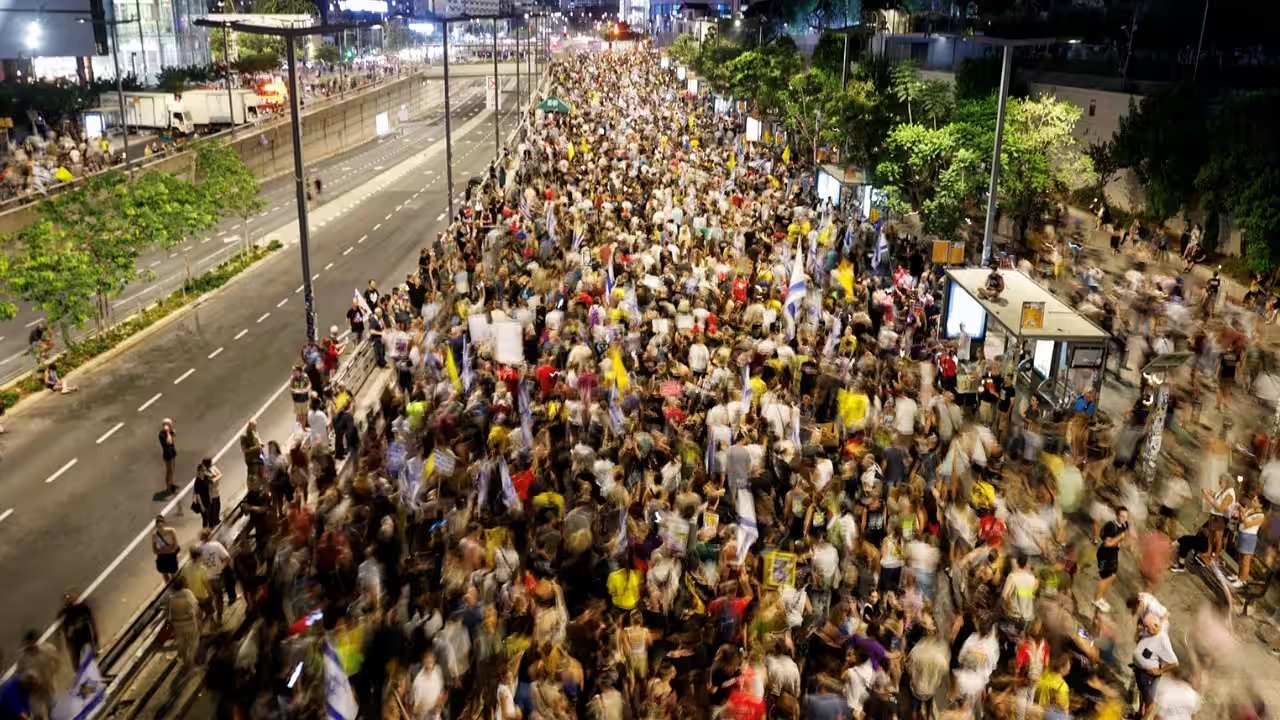
Hundreds of people gathered at Paris Square in Jerusalem, Mesila Park in Tel Aviv and UNESCO Square in Haifa on Sunday, holding placards that read "Freedom for all, from the river to the sea" and "Yes to a Jewish‑Arab government." The protests unfolded as vote counting continued, with the Central Elections Committee reporting 53 seats for the pro‑Netanyahu bloc and 67 for the opposition at 90 per cent of votes counted.
The figure, based on 97.5 per cent of ballot boxes, underscores a tight race in a 120‑seat Knesset. Arab‑led parties hold 19 seats, while Jewish‑led factions hold 48, leaving the opposition unable to form a coalition on its own.
Gadi Eisenkot, chairman of the Yashar movement, called the results a "vote of no confidence in Prime Minister Benjamin Netanyahu's government" and vowed to continue efforts to replace him. "We have more long days of work ahead of us," Eisenkot wrote on X, adding that his goal was "to bring change to Israel and establish a Zionist government committed to military conscription."
Election authorities warned that the counts were partial and could shift as late‑counted ballots, including those from active‑duty soldiers, are tallied. The next phase will see coalition negotiations begin, with Eisenkot and other opposition leaders pushing to form a partnership that could alter the balance of power in the Knesset.