The Delhi Assembly convened only 17 days in 2025, a stark contrast to the 24‑day average for state legislatures nationwide and a sharp decline from its 15‑day average during the 2020‑2025 term.
Gupta, who introduced the 30‑day minimum at the 86th All India Presiding Officers Conference in January, argues that the short sessions leave little room for thorough debate and policy scrutiny. He insists that while uniformity in rulebooks is necessary, every legislature’s unique constitutional status—especially Delhi, Jammu and Kashmir, and Puducherry—must be respected.
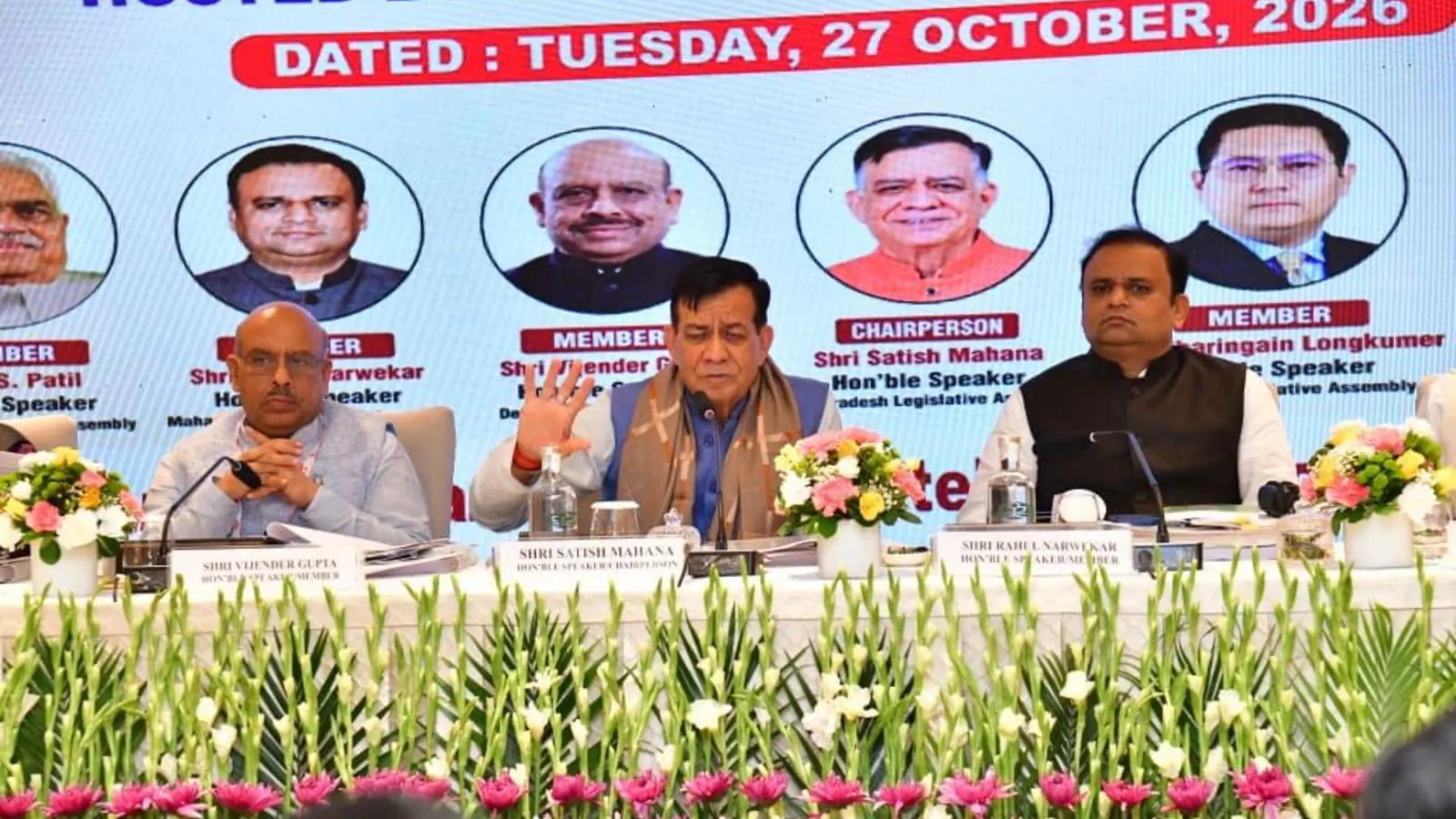
The Tuesday session also heard proposals from Uttar Pradesh Speaker Satish Mahana, Maharashtra Speaker Rahul Narwekar, Himachal Pradesh Speaker Kuldeep Singh Pathania, and Karnataka Speaker G.S. Patil. Mahana wants to cut the notice period for convening a session from 15 days to just 3, arguing digital communication has made long advance notices obsolete. Gupta added calls for gender‑neutral wording, electronic notices, and a cap on adjournment motions to one per sitting.
In a paperless meeting, the Delhi Assembly Secretariat reported that digital circulation of documents saved 18,252 sheets of paper, 18,252 litres of water, and 182.5 kg of CO₂‑equivalent emissions—an environmental win that underscores the practical benefits of the proposed reforms.
The committee will reconvene to finalize its recommendations, which will then be tabled before the Lok Sabha. A vote on the rulebook is expected within the next few months, setting the stage for a nationwide shift in legislative practice.