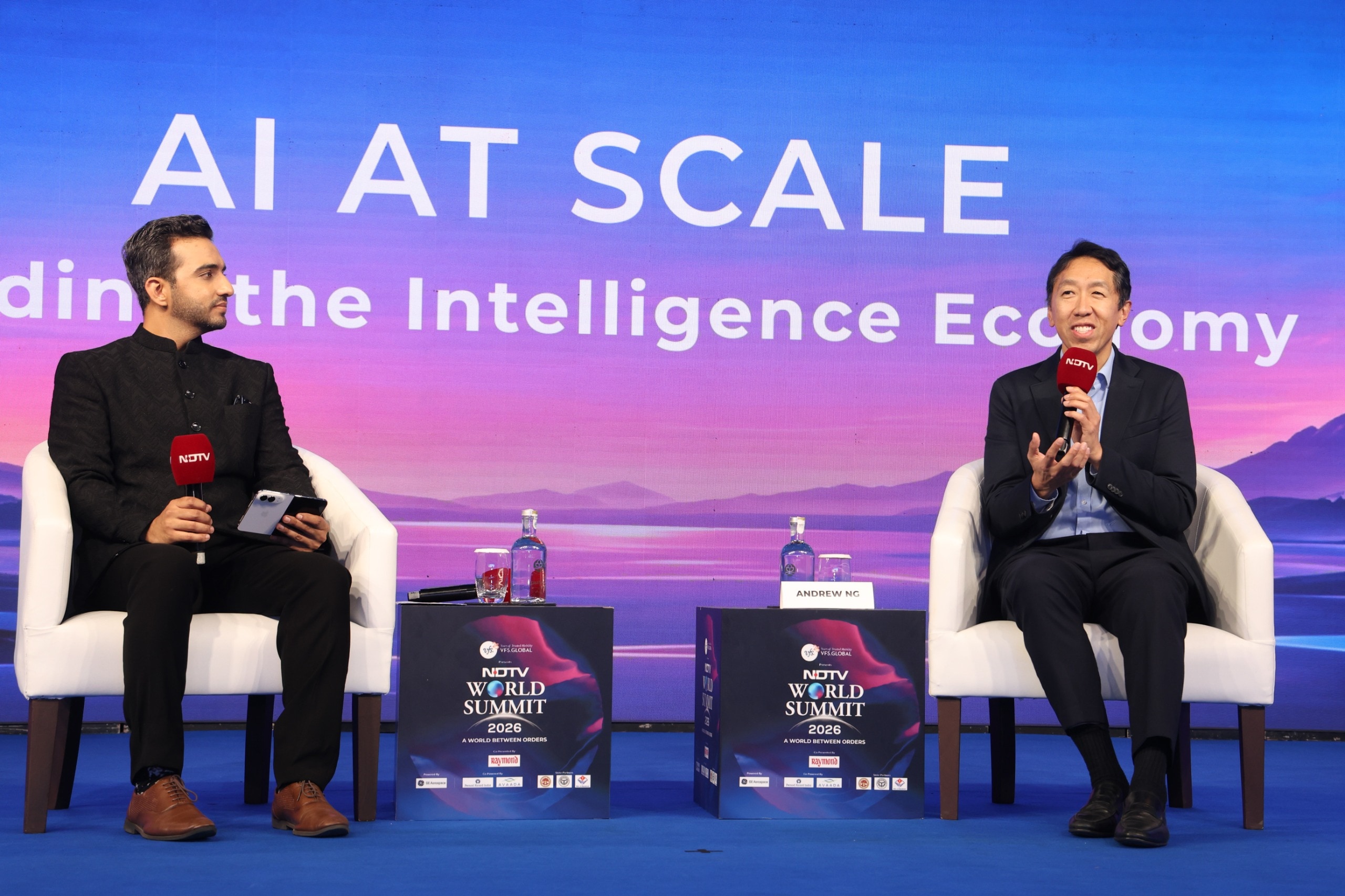
At a packed NDTV World Summit in Mumbai, Andrew Ng delivered a stark warning about the impact of generative AI on student learning, citing recent research that finds a 17% drop in assessment scores among users.
The University of Pennsylvania and Wharton study that Ng referenced followed a cohort of high‑school and university students over a semester, comparing those who used chatbots for homework to peers who did not. The data showed that AI‑assisted students earned, on average, grades that were 17 percentage points lower, a gap that could widen over a student’s career if unaddressed.
Ng said the core issue is not the existence of AI but how it is currently deployed in classrooms. "We need tools that prompt critical thinking rather than simply providing answers," he remarked. He urged developers to create systems that scaffold learning, encouraging students to work through problems step by step instead of copy‑pasting ready‑made solutions.
In a broader pitch, Ng warned that universities lag behind industry expectations, pointing out that many still graduate software engineers without hands‑on experience using AI coding assistants or APIs. "Today, I will not hire a software engineer who doesn’t know how to use an AI coding agent," he said. He urged institutions to redesign curricula well before the fall semester, so graduates are equipped for the modern workplace.
The next steps will see universities begin pilot programs integrating AI literacy modules, with a view to formalizing them in the upcoming academic calendar. The education sector’s response will be closely watched as the gap between AI readiness and academic preparation widens.