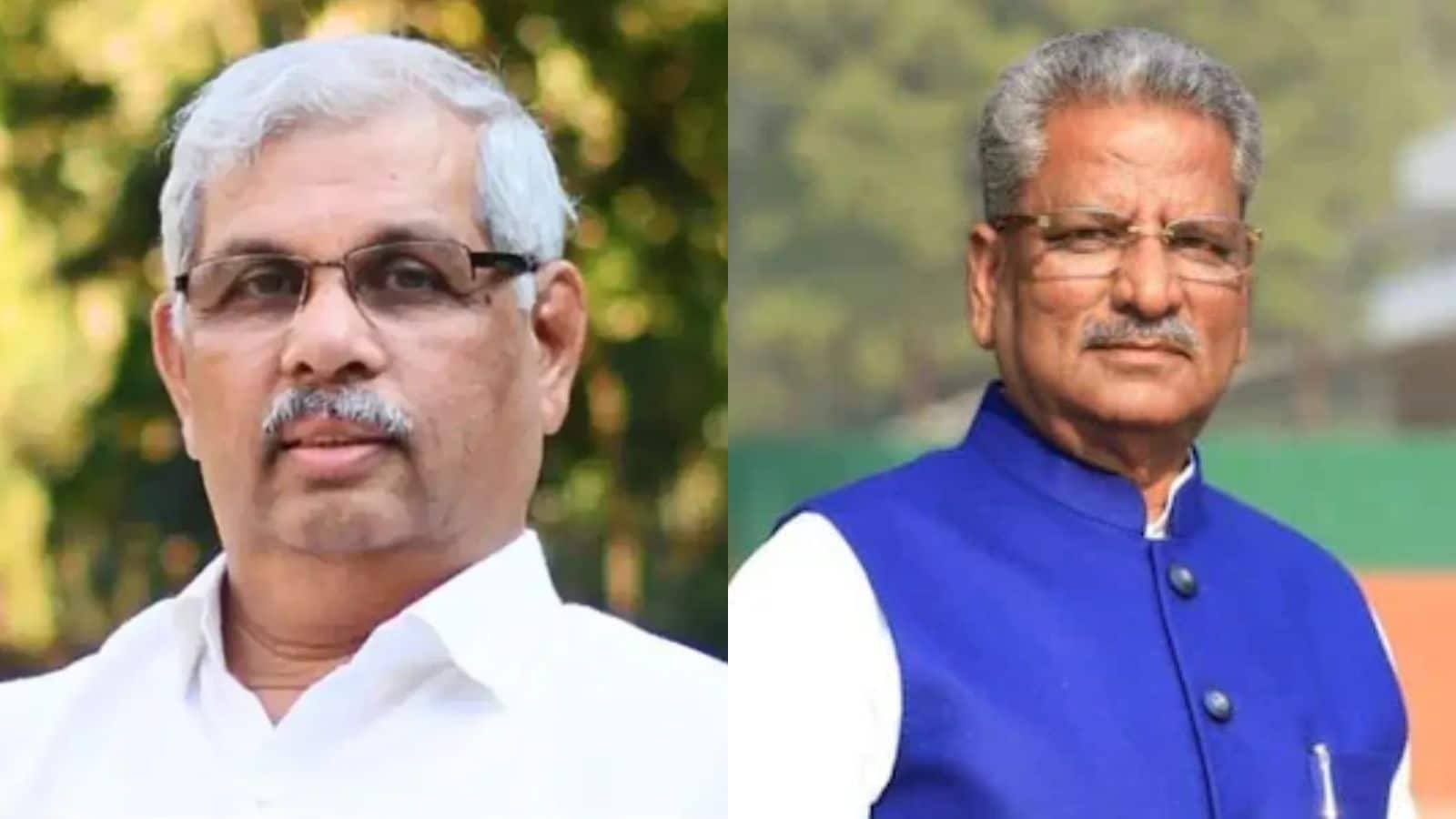
President Droupadi Murmu signed the appointments on Monday, triggering a significant shake-up in state executive leadership. The communique from Rashtrapati Bhavan confirms that Rajendra Vishwanath Arlekar, currently serving in Thiruvananthapuram, is now the Governor of Tamil Nadu. This move strips Arlekar of his Kerala portfolio and places him in Chennai, a shift that political observers will be scrutinizing for its implications on regional party dynamics.
Om Prakash Mathur, who has held the Sikkim governorship, steps into Arlekar's shoes in Kerala. It’s a direct replacement, but Mathur brings a different administrative history to the state. Meanwhile, Dushyant Gautam takes over Sikkim, filling the vacancy created by Mathur’s transfer.
The changes extend well beyond the South. Braj Mohan Ram, a senior BJP figure from Jharkhand, lands in Odisha. In Karnataka, Sudha Yadav assumes the post, while Dhal Singh Bisen heads to Uttarakhand. These aren't just titles; they represent the central government’s recalibration of its presence in states with complex political landscapes.
The appointments take effect immediately upon the new governors assuming charge. No specific dates were provided in the initial communique, but the transition is underway. For now, the focus shifts to how these new leaders will navigate their respective state assemblies and interact with the ruling coalitions in those regions.