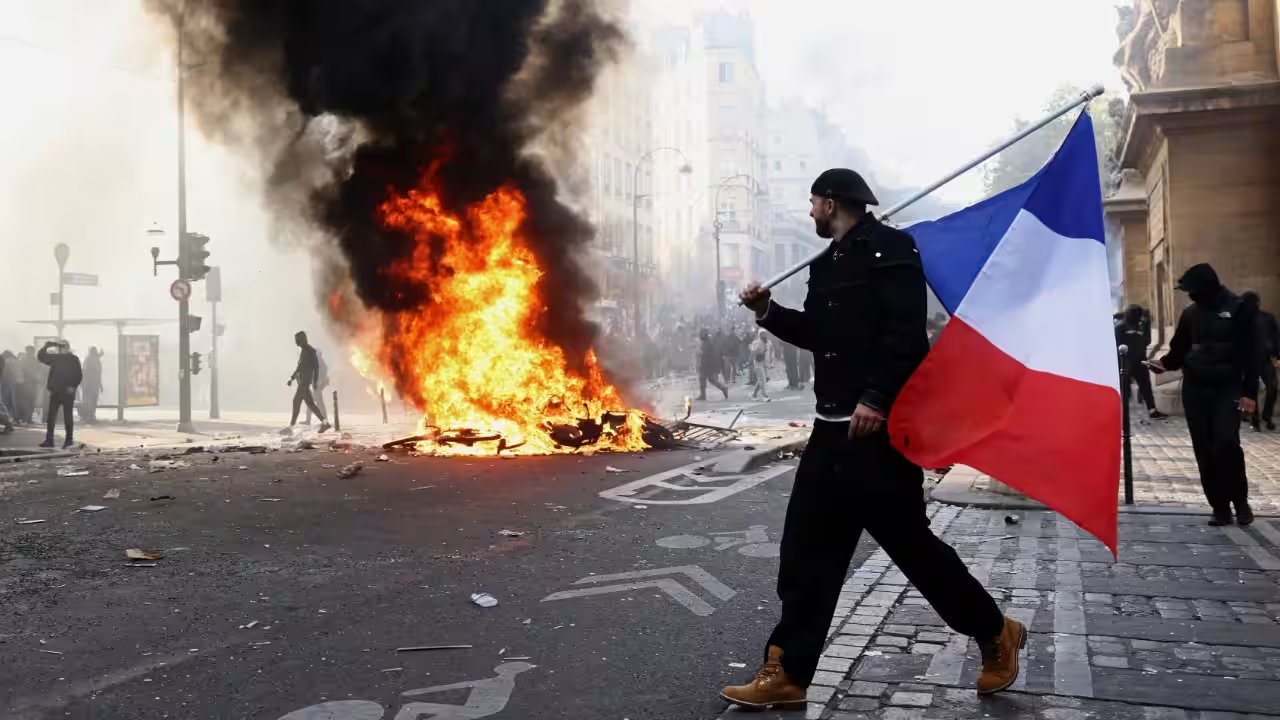
Interior Minister Laurent Nuñez unveiled a massive security apparatus on Friday, ordering 70,000 officers—including elite gendarmes—into position across France. This is not a routine deployment. It is a direct response to the chaos that engulfed the country last week, where demonstrators burned the 143-year-old Limoges City Hall and looted shops in what authorities are calling the worst unrest in years.
Nuñez spoke from a press conference in Paris, his tone hard and unambiguous. He cited specific threats circulating on social media from radical far-left groups, explicitly linking these digital incitements to the physical vandalism seen on the streets. “We will be absolutely uncompromising with those involved in violence,” Nuñez told reporters. He promised a “very firm approach to making arrests,” signaling that the state is moving from a defensive posture to an aggressive legal one.
The cultural fallout has already begun. France’s Culture Ministry confirmed that the Louvre, Musée d'Orsay, and the Picasso Museum would remain shut. The Grand Palais, host to the prestigious Art Basel fair, followed suit. Organizers of Art Basel, which features 211 international galleries, scrapped their entire weekend public program. They kept the doors open for just one day on Friday, subjecting attendees to a single, anxious day of viewing before pulling the plug on the rest of the event.
This weekend’s march is expected to be a coalition of students, CGT union members, and returning “Yellow Vest” activists. The government is treating the event as a national security priority, with city halls and public buildings receiving heavy protection. With the police line drawn in the sand, the question now is whether the streets will see a controlled demonstration or a repeat of last week’s fires.