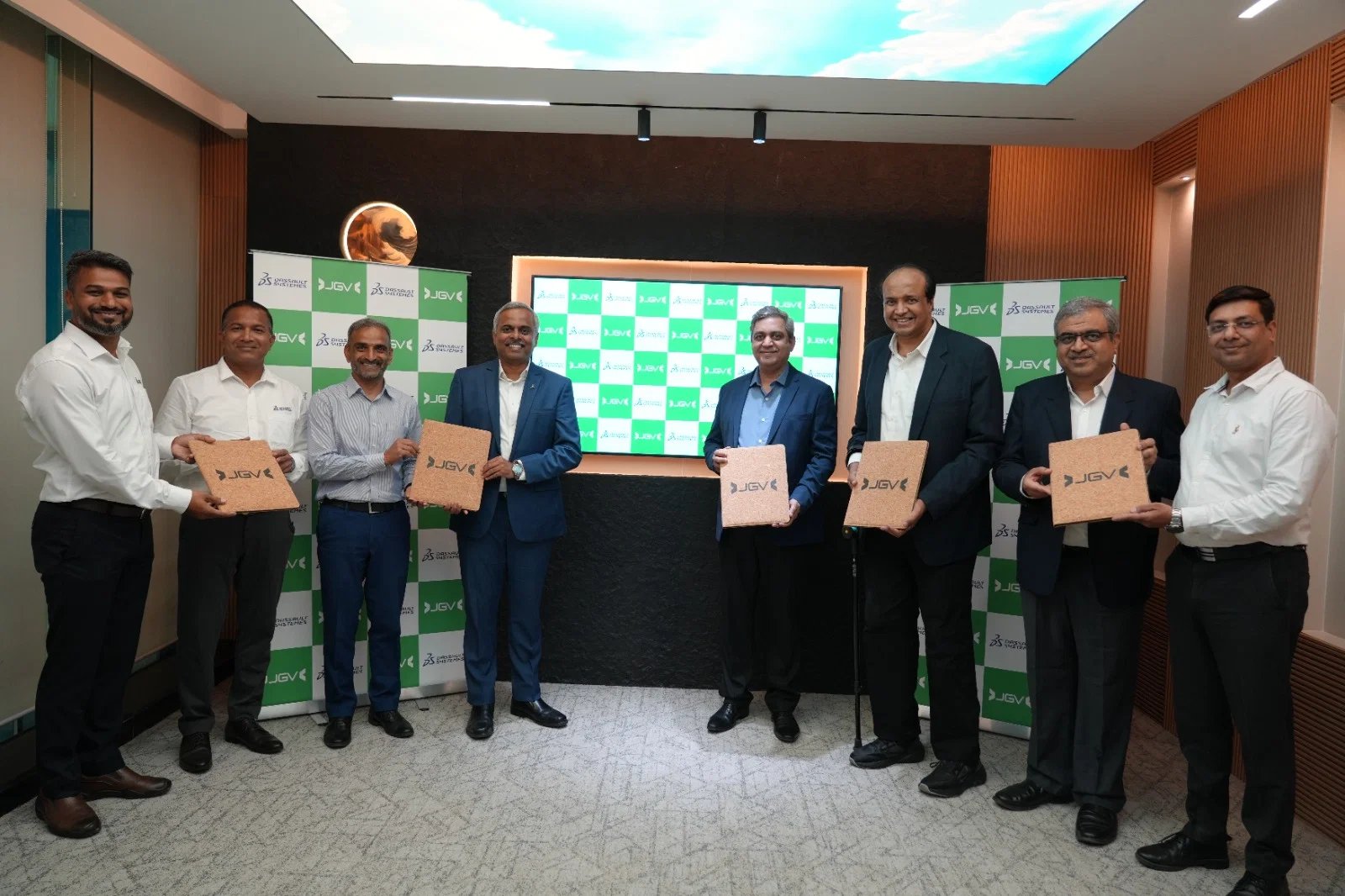
Jakson Green Vehicles (JGV) has chosen Dassault Systèmes’ 3DEXPERIENCE platform to overhaul how it builds electric cars. The move means the company will move from disparate legacy tools to a single digital thread that runs from sketch to shop floor, tightening the link between design, engineering and manufacturing.
This unified environment lets JGV run virtual twins of its vehicles early, spotting design flaws before a single prototype hits the assembly line. The result is fewer physical re‑works, a leaner supply chain, and a shorter time‑to‑market that buyers will feel as faster deliveries and lower prices.
India’s EV scene is already humming with digital upgrades. Tata Motors, Mahindra & Mahindra, and even new entrants like Neta and Ather are deploying similar platforms to cut development cycles. JGV’s choice positions it alongside these players, signalling that the company is serious about speed and cost competitiveness.
The shift also dovetails with government policy. The Indian EV mandate pushes 30% of sales to zero‑emission vehicles by 2030, and lower production costs help manufacturers meet the duty‑free incentives on batteries and motors. A tighter digital workflow means JGV can keep its unit economics in line with those incentives.
JGV’s manufacturing base sits in Haryana, a hub that offers skilled labor and proximity to key suppliers. With the platform live, the first production‑ready model is expected to roll out in the second half of 2027, with phased city‑wise rollouts starting in metros such as Delhi, Bengaluru, and Pune.
What to watch next: keep an eye on variant rollouts, price points, and the boot space of the city‑mobility models. The digital backbone should also allow JGV to tweak configurations on demand, a flexibility that could set new standards for urban EVs in India.