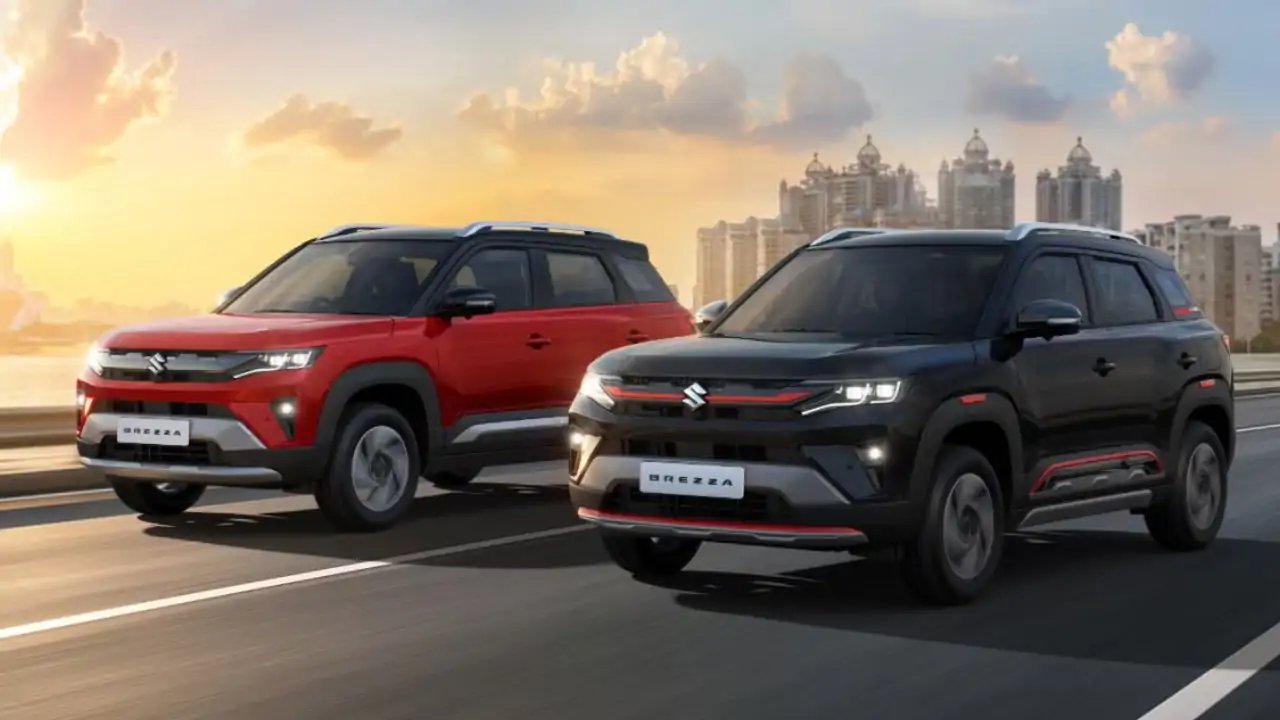
If you’re eyeing a new car before the Diwali rush, the numbers from September say a lot about what’s on the lot. Maruti Suzuki led the pack with 1,81,838 passenger vehicles dispatched, a 37% jump year‑on‑year. That spike puts the brand firmly in the spotlight as dealers load up for the biggest sales window of the year.
The bulk of the lift came from SUVs, which saw a 62% rise to 78,911 units, up from 48,695 a year earlier. Hyundai and Kia were not far behind, logging 77,916 and 32,017 units respectively, their biggest monthly sales ever. Meanwhile, Maruti’s mini‑and‑compact line still outsold with 91,887 units, but the gap with the SUV segment has narrowed.
But wholesale dispatches are just a first‑hand estimate; they tell you what dealers received, not what customers actually drive off the lot. In practice, a surge in stock can mean a smoother pickup for the most popular variants, but it can also lead to longer wait times for newer trims. The safest move is to ask dealers for the exact delivery window and current inventory of the variant you’re after.
In the broader picture, the numbers also hint at shifting appetites. Maruti’s dominance in the compact segment remains strong, but the rising SUV numbers from Hyundai, Kia, and even Tata’s 15,384 electric SUVs suggest a growing preference for higher‑floor, larger cars. Buyers looking for value may still find Maruti’s budget models attractive, while those chasing space and tech might lean toward Hyundai’s Creta or Kia’s Seltos.
Looking ahead, the festive season is a key driver, but policy changes could alter the landscape. The uptick in Tata’s EV sales—up 67%—shows that government incentives are nudging buyers toward green options. Keep an eye on the next quarter’s duty adjustments and any new EV launch dates, as they could shift the balance of demand in the months that follow.