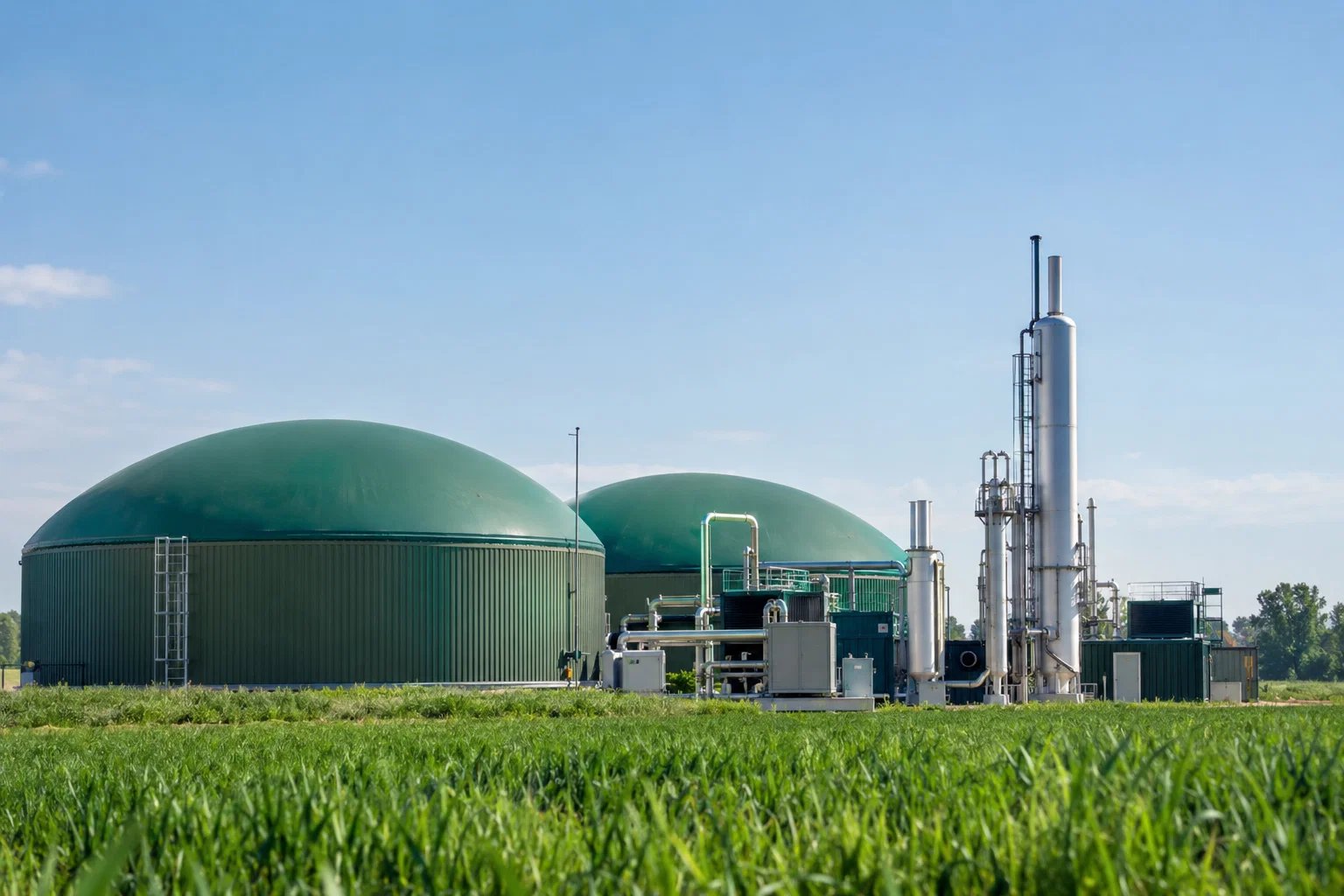
RIL’s Rs 1 trillion bet on Andhra Pradesh’s compressed biogas plants is a headline‑grabbing headline‑grabber that also signals a serious push to make CNG a more viable fuel for India’s 25 million‑plus car fleet. 3 lakh jobs, ₹60,000 crore revenue over the next few decades – that’s the headline promise, but the real upside for car buyers is a larger, cheaper supply of CNG.
Compressed biogas, or CBG, is essentially a cleaner version of methane that can be piped to CNG stations. The government’s GOBARdhan scheme, with a 10‑year, ₹23,731 crore outlay, aims to lift domestic production to about 5 million standard cubic metres per day. That’s enough to power tens of thousands of vehicles a day, and it means the price of CNG could fall as supply rises.
RIL’s first plant in Kanigiri will cost ₹139 crore and will use Napier grass grown on barren lands as feedstock. The company plans 500 plants in the next five years, each expected to churn out 40 lakh tonnes of CBG and 1.1 million tonnes of organic fertilizer annually. For the automotive sector, that’s an injection of fuel that could keep CNG stations stocked and reduce the need to import CNG or rely on petrol.
The investment also dovetails with Andhra Pradesh’s “Speed of Doing Business” initiative, which has already approved 388 mega projects worth more than ₹14 trillion. Around a third of those projects are in the Rayalaseema region, where RIL’s plants will sit. The synergy means both the state and the private sector are lining up to make CNG a mainstream fuel.
What does this mean for the average owner of a Maruti Suzuki Alto CNG or a Hyundai Venue CNG? If the supply curve shifts to the right, fuel prices could dip, making refuelling cheaper and keeping the operating cost of CNG cars competitive with petrol and diesel. Car buyers should watch the first quarter of 2025 for the first deliveries from the Kanigiri plant and the subsequent roll‑out of the remaining 499 plants.
In short, RIL’s Rs 1 trillion for CBG is more than a corporate pledge; it’s a potential game‑changer for India’s CNG‑car market. Keep an eye on fuel meter readings, station roll‑outs, and any price adjustments in the coming months, because a cheaper, more abundant CNG supply could shift the balance in favour of low‑emission vehicles.