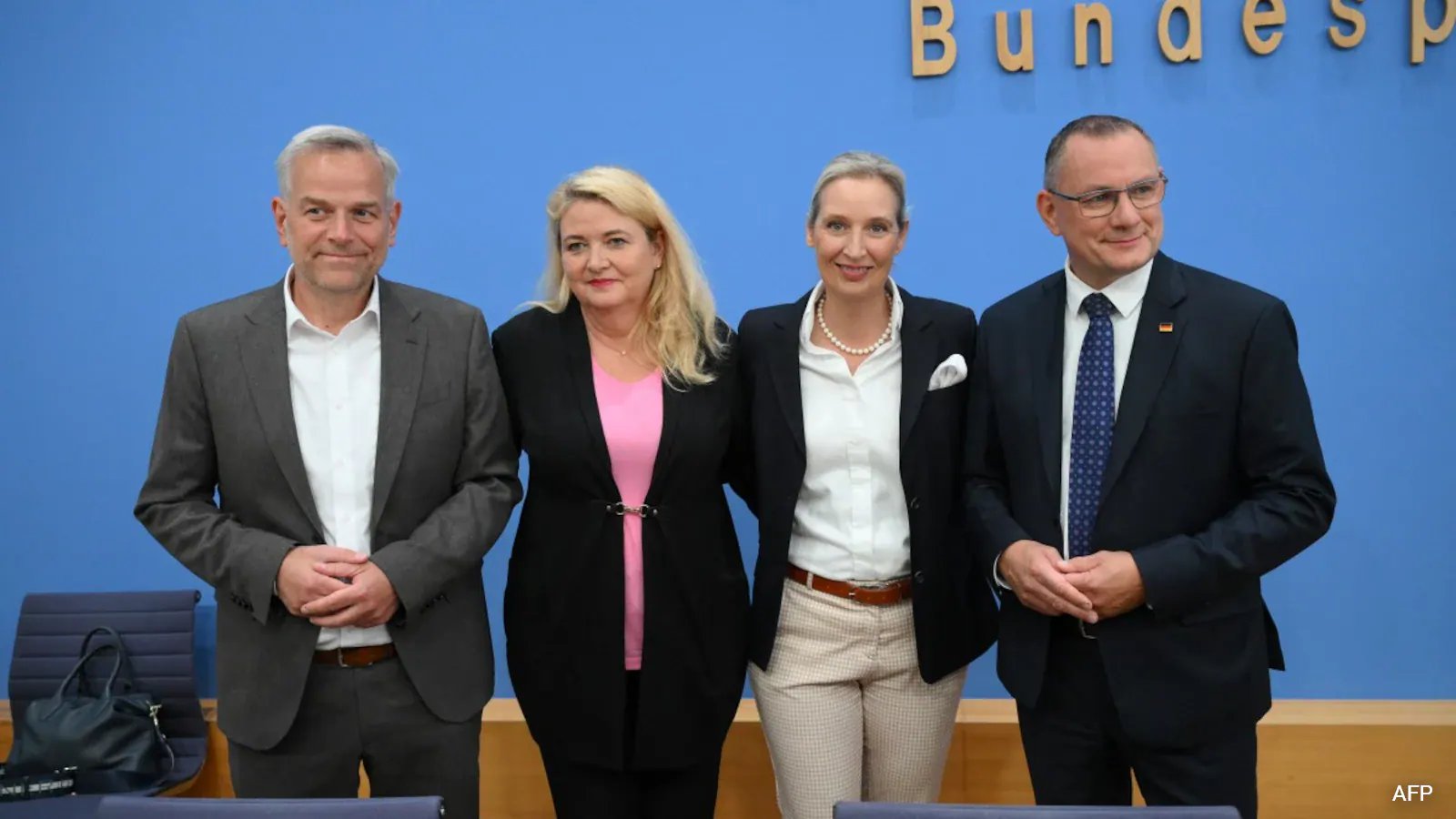
AfD captured 44% of the vote in Saxony‑Anhalt’s latest election, translating into 39 of 83 seats and a clear plurality that will let it lead the state parliament. The result, announced on 10 October, eclipsed the centre‑right CDU’s share, which fell below 30%.
The party still lacks an absolute majority and will rely on a coalition with the five‑seat BSW, a left‑wing group that has already pledged to back the AfD’s speaker bid. BSW leader Klaus Müller said the partnership would focus on shared stances on Russia and immigration while keeping policy debates distinct.
Opposition voices have erupted. Linke leader Eva von Angern compared the potential AfD speaker to Hermann Göring’s 1930s Reichstag role, warning that parliamentary cooperation could pave the way for authoritarian rule. Demonstrators were expected outside the Magdeburg parliament building, calling on other parties to refuse any collaboration.
The prospect of a far‑right speaker has drawn criticism from the federal government, where Chancellor Friedrich Merz’s CDU has vowed to marginalise the AfD by tightening immigration controls and revitalising the economy. The party’s president, Ulrich Siegmund, hinted at a bid for premier in December, a historic first for the AfD in any German state.
On Tuesday, the newly elected lawmakers will convene at 11:00 a.m. local time to elect the speaker. With Tobias Rausch’s candidacy backed by the BSW and the AfD’s majority of seats, he is widely expected to win, cementing a first for a far‑right party in post‑war German politics.