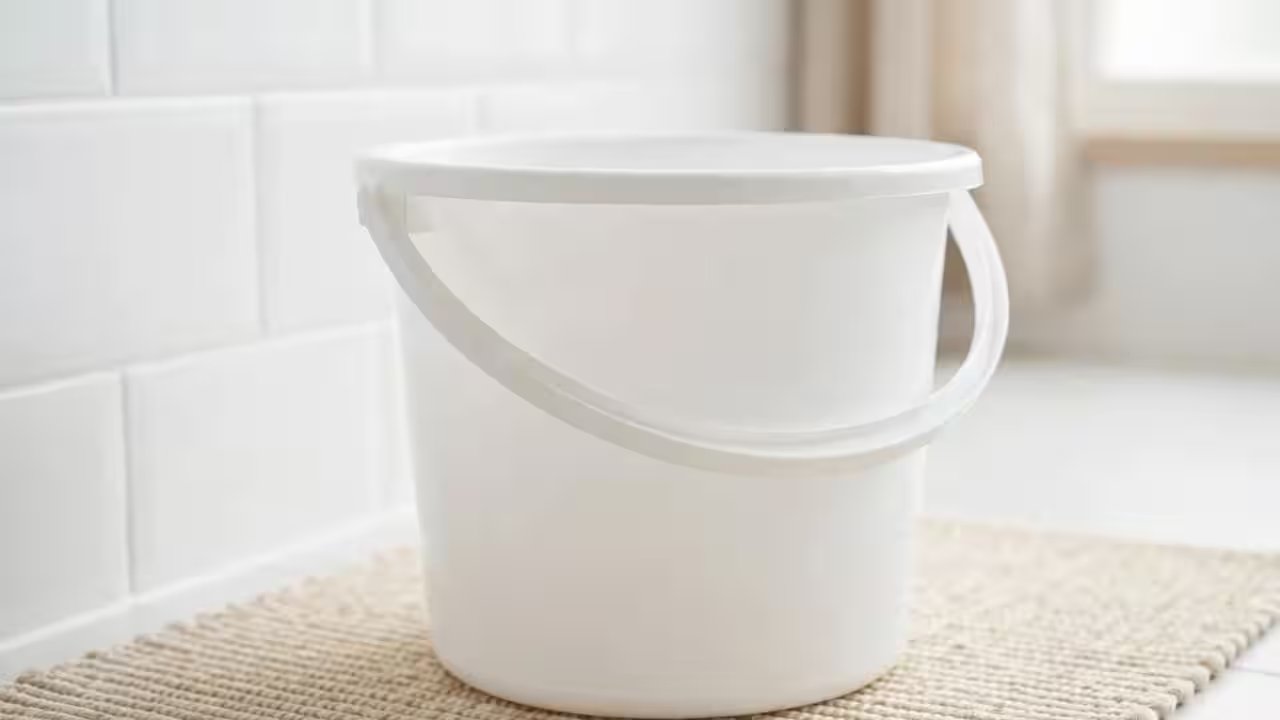
Vinegar and baking soda may sound like a science‑lab duo, but in the kitchen they’re the ultimate stain‑remover for plastic buckets. Pour a generous splash of Kitchen Pro white vinegar over the grimy spots, watch the gentle fizz as it loosens mineral buildup, then sprinkle a handful of baking soda. Let the bubbling cauldron sit for a minute, then scrub with a soft sponge. Rinse, and watch the dullness fade away into a clean, bright surface.
If yellow stains are the real culprit—those sun‑faded, tired looking patches—turn to lemon and salt. Slice a lemon, dip the cut side in salt, and rub it over the affected area. The citrus acidity cuts through the yellowing while the salt provides a mild abrasive that won’t scratch the plastic. After a few minutes, rinse with warm water and pat dry.
For tiny, stubborn spots, white toothpaste is a surprisingly effective ally. Just a pea‑size amount on a clean, damp sponge, rubbed gently in a circular motion, lifts grime without leaving a film behind. Finish with a quick rinse to ensure no toothpaste residue remains.
Got a bucket with stubborn dirt that won’t budge? Mix a spoonful of baking soda with a drop of dish soap, sprinkle sugar over the grime, then glide an ice cube over the mixture. The sugar works as a gentle scrub, the ice provides friction without scratching, and the soda neutralises any lingering odors.
Prevention beats cure. Rinse your bucket after every use to keep soap residue and hard‑water minerals from setting in. Allow it to dry upside down—water that evaporates leaves no marks. And always choose a soft sponge or cloth; rough abrasives only surface‑scrape the plastic and trap dirt.
Keep a 16‑oz bottle of Kitchen Pro white vinegar and a 500‑g box of baking soda in your kitchen cupboard. They’re inexpensive, versatile, and the perfect pair for keeping plastic buckets, storage tubs, and even reusable grocery bags looking fresh. Try the vinegar‑baking soda combo next time your bucket starts to look tired and see the difference for yourself.