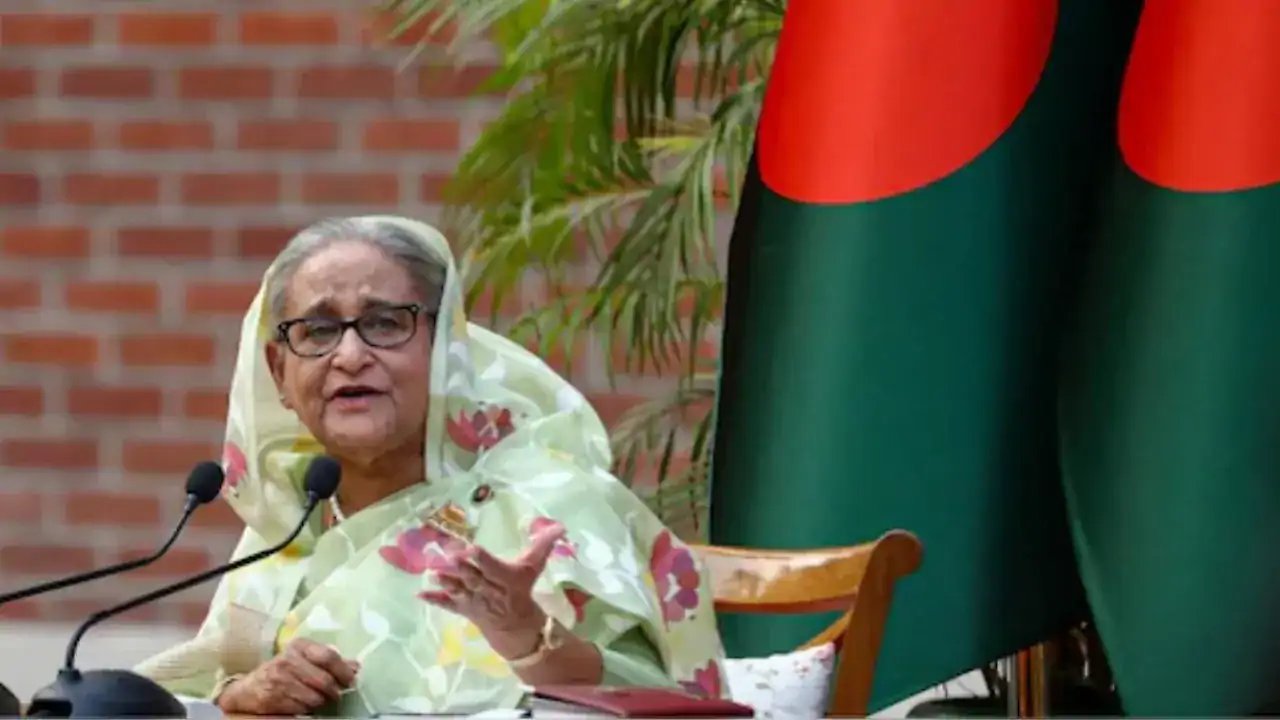
The extradition request was filed by Bangladesh’s interim government, led by former economist Muhammad Yunus, after Hasina fled the country on Aug. 5, 2024. In 2025, a special tribunal convicted her in absentia and sentenced her to death, prompting the interim administration to seek her return through diplomatic channels. Bangladesh’s foreign ministry has repeatedly demanded that she be handed over, while India has insisted that the matter be processed through established legal channels.
Hasina arrived in India on a Bangladesh Air Force aircraft as protests surged, a move that Indian officials described as unavoidable. High Commissioner Dinesh Trivedi said India had little choice but to grant landing permission, citing diplomatic norms and the suddenness of the situation. Trivedi clarified that the Indian Air Force or Army had no role in her arrival, a point that has clarified the situation for both sides.
On Aug. 5, Hasina held a virtual press conference from New Delhi, declaring her intention to return to Bangladesh in December and promising to steer the country onto a "right track." Bangladesh’s Home Minister Salahuddin Ahmed warned that she would be arrested immediately upon return, and the foreign ministry said the process for the former prime minister’s visit had been "vitiated" by her remarks. The comments have further inflamed diplomatic tensions, as Rahman’s proposed visit to India has stalled.
The extradition dispute has become a flashpoint in India–Bangladesh relations, adding to existing frictions over minority attacks and Dhaka’s deepening ties with China. New Delhi had invited Bangladesh’s interim leader to the BRICS summit last month, but the visit was canceled, underscoring the strained diplomatic climate. Indian officials insist the case remains a legal matter, separate from any political agenda.
India will keep following the established legal process, with the extradition case currently pending before Bangladesh’s judiciary. The interim government is expected to file further motions, while both sides await a court decision that could shape the region’s political landscape.