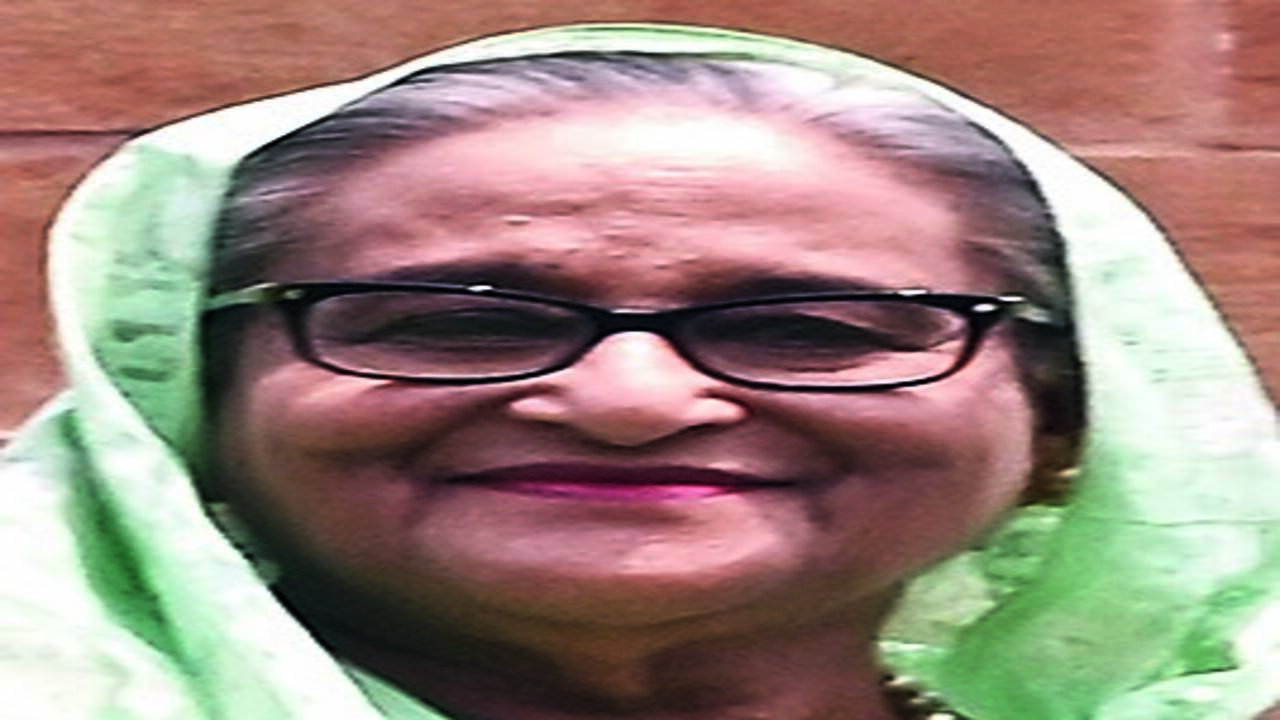
Dinesh Trivedi, India’s high commissioner in Dhaka, dismantled the narrative that Indian military assets escorted Sheikh Hasina into the country. Speaking at the Bay of Bengal Conversation, he stated clearly: “Hasina was not brought to India by the Indian air force or army.” She arrived on a Bangladeshi military aircraft. The distinction matters. It places the operational responsibility for her movement squarely on Dhaka’s side of the border, even as New Delhi opened its airspace.
The justification for landing the plane was pragmatic, not political. “We had hardly any choice on that,” Trivedi said, referring to the moment in August 2024 when Hasina’s government collapsed. At that precise second, she was still Bangladesh’s Prime Minister. “It was our duty as a neighbour to accept the reality of life,” he added, noting that Indian authorities were “not prepared for the situation.” He described the broader context as “tragic circumstances,” implying that refusing landing permission would have led to unpredictable and potentially dangerous outcomes.
The extradition question remains the sticking point. Trivedi confirmed that the legal process is “ongoing” and “well structured,” but he refused to offer a timeline. “Nobody can give you a timeframe,” he said, citing the involvement of courts. This bureaucratic inertia contrasts sharply with the political heat in Dhaka, where the demand for her return is a central pillar of the new government’s legitimacy.
Despite the friction, Trivedi insisted the bilateral relationship is not hostage to Dhaka’s ties with other nations. “Every issue between the two neighbours has a solution,” he argued, emphasizing that engagement may be slow but has “not stopped.” He left Dhaka’s audience with a guarantee: the process is ongoing, and mutual respect remains the only viable path forward for the two South Asian giants.