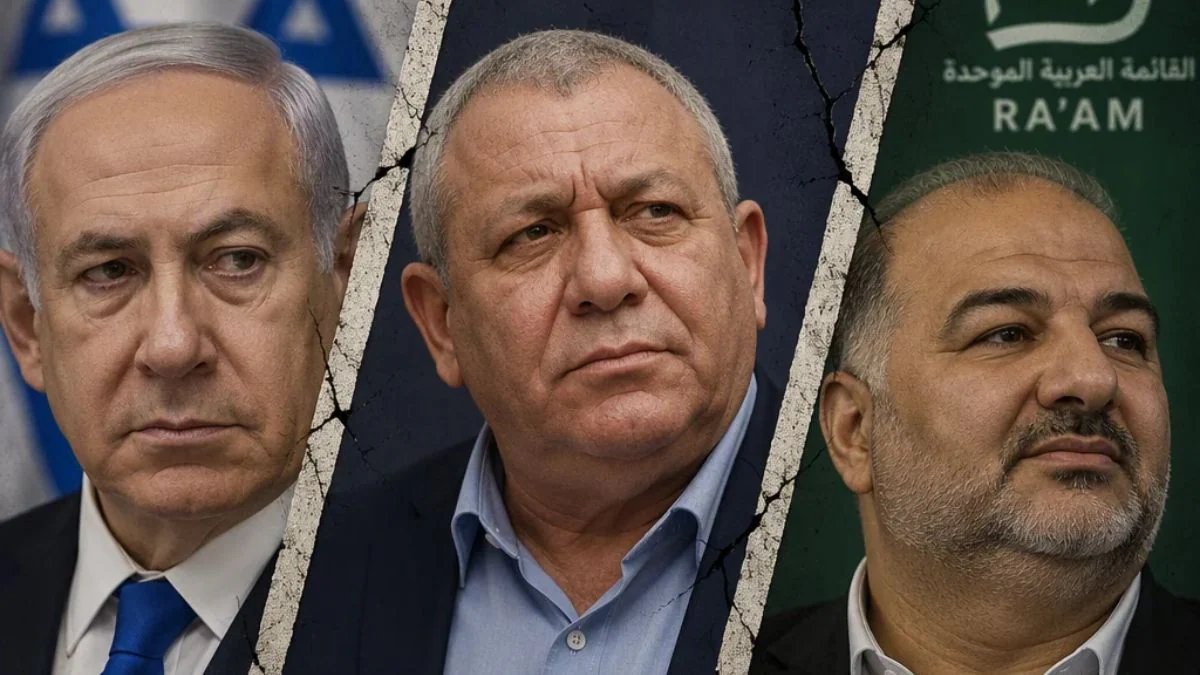
The poll count places Likud at 53 seats, Eisenkot at 48, and Arab parties at 19, leaving the 61‑seat majority gap that no single bloc can fill.
President Isaac Herzog, after final results are certified, will convene with party leaders to decide who has the best chance of forming a stable government. He has already urged politicians to remain flexible, warning that a fresh election could be costly for the nation.
The Arab bloc’s 19 seats make it a potential kingmaker; leaders like Mansour Abbas have said they will use their weight to push for stronger law‑enforcement, reduced poverty, and a voice in national policy. Their success has shifted the political calculus for both sides.
Likud has lodged accusations of widespread fraud at Arab polling stations, alleging cash incentives, intimidation, and ballot mismatches. The Central Elections Committee has dismissed the allegations as isolated complaints, noting that investigations will follow the usual procedures. The dispute risks deepening mistrust between Jewish and Arab communities at a critical juncture.
For many Arab families, the election is about more than seats in the Knesset; they demand tangible improvements in safety, economic opportunity, and representation. Their collective voice now carries unprecedented influence in the coalition talks.
The next phase will see coalition negotiations begin, with Herzog’s choice of a prime minister dependent on which bloc can secure at least 61 seats. If no coalition emerges, Israel may face a repeat election, a scenario that could reshape the country’s political landscape.