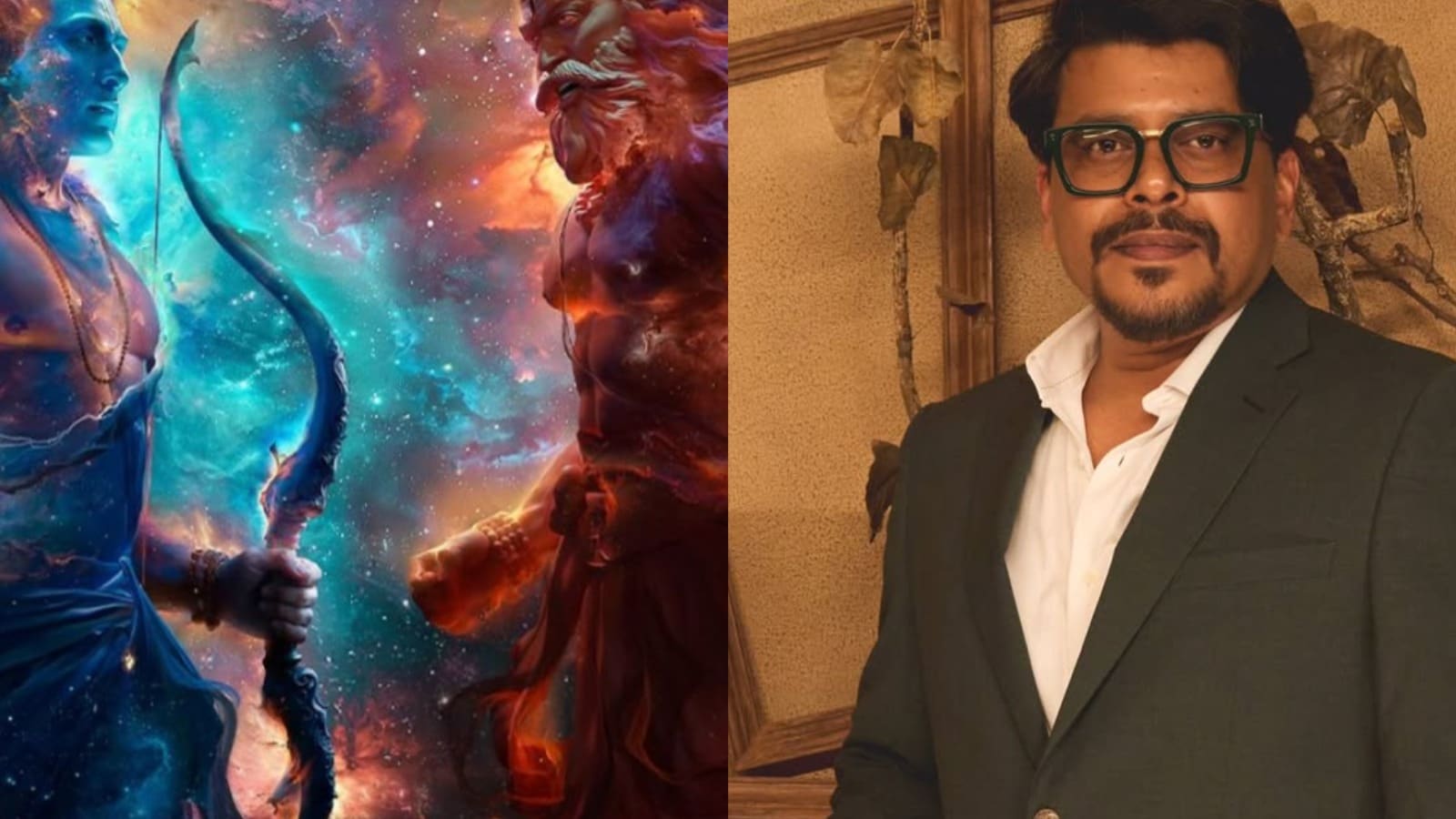
When the camera swoops from a cloud‑high crane onto Ranbir’s face, you’d think the trick is all in the gear. In reality, the trick is a ballet of gears, human muscle, and a vision that died in 49 attempts.
Pankaj Kumar tells us the sequence was a choreographed nightmare: the gimbal had to detach from a tech‑crane, wrap around a moving operator, and glide close enough to capture that raw intensity. “It was a very complicated shot,” he says, eyes still glued to the footage on the monitor. The crew rehearsed it until the director’s pre‑visualization matched reality—about 50 takes later, the frame finally sang.
The budget didn’t just buy a camera; it bought a whole ecosystem of tech: cable rigs that could curve, drones that could fly, and a team that could dream in 3‑D. “Because of its huge budget, we had resources that most films can only fantasise about,” Kumar adds, his pride palpable. The result? A fluid motion that feels like a single breath, even though it was a thousand breaths behind the scenes.
For fans, the take‑count is more than trivia. It’s proof that the mythic world of Ramayana is being reconstructed with surgical precision, a promise that the Diwali release will be as visually stunning as the story itself. As the crew settles in for the next shot, the anticipation builds—one 50‑take moment at a time.