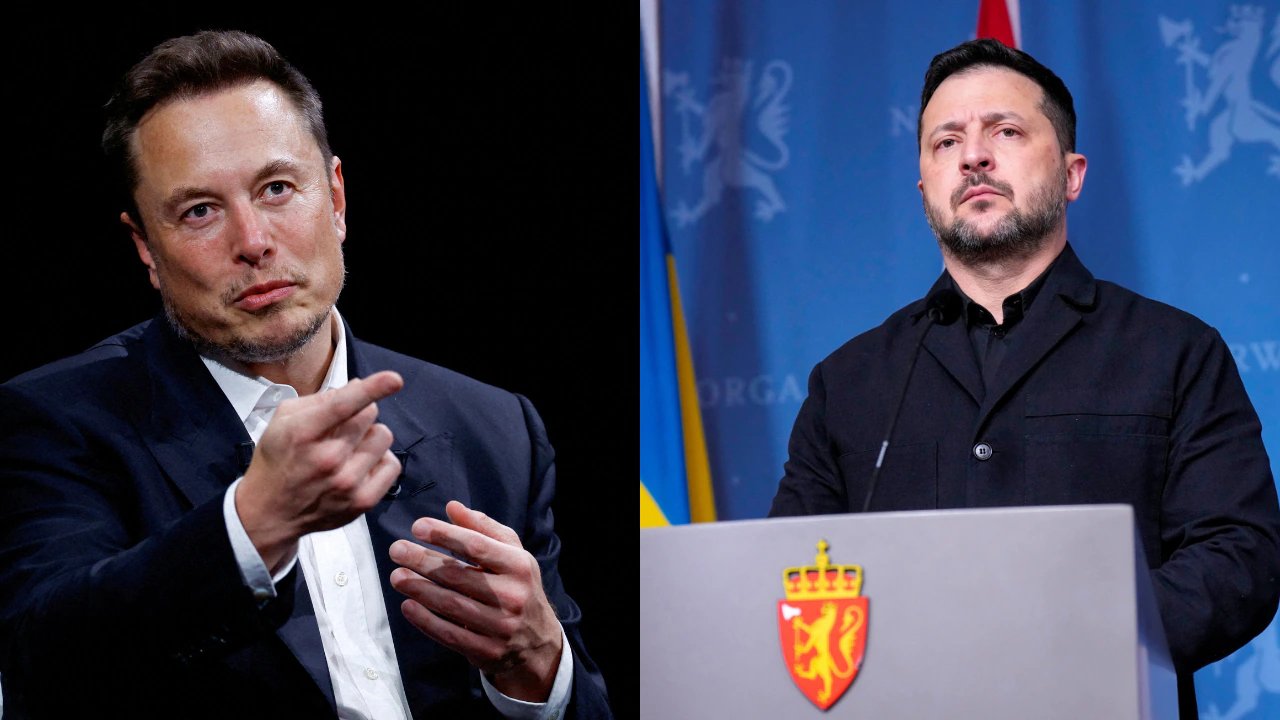
Elon Musk confirmed on Saturday that SpaceX deliberately throttled Starlink satellite internet speeds in Ukraine, a decision he justified by claiming the Ukrainian military violated terms of service by using the civilian system for offensive drone strikes. "Using Starlink, a civilian commercial service, for offensive drone strikes to kill people has never been allowed, nor should it be," Musk wrote on X. He added that the "loophole" was closed last week, ending a period of disruption that left front-line commanders reporting lost drones and halted missions.
President Volodymyr Zelenskyy announced that access to Starlink and the military-grade Starshield links had been fully restored to pre-restriction speeds by Saturday morning. He credited the rapid restoration with improving logistics and defense against Russian jet-powered Shahed drones, a critical asset since the full-scale invasion began in February 2022. However, the episode has intensified scrutiny over who authorized the initial slowdown, with Ukrainian Defense Minister Yevhenii Khmara citing "direct dialogue" and Zelenskyy’s diplomacy with Washington as the key to resolving the issue.
Washington’s role remains murky. President Donald Trump insists he did not make the call to restrict speeds, while Vice President JD Vance hinted at White House coordination with Musk. In contrast, Secretary of State Marco Rubio and Defense Secretary Pete Hegseth have denied any administration involvement. The tension flares against a backdrop of strained relations, particularly after Trump’s reported deal with Moscow on Russian diesel imports, which Kyiv views as a betrayal.
The diplomatic friction coincides with a new push to end the war. Russia agreed on Wednesday to resume three-way negotiations with Washington and Kyiv next month. On Friday, both sides accepted a localized ceasefire brokered by First Lady Melania Trump around Oleshky, a war-ravaged town in the southern Kherson region. This development comes as Ukrainian forces continue deep strikes into Russian territory, hitting a chemical plant in Tolyatti, an electronics facility in Oryol, and reaching the Omsk region in western Siberia.
On the ground, the fighting persists. A missile attack on Lozova in the Kharkiv region killed one man and wounded two others on Saturday. Meanwhile, Moscow-installed authorities in Crimea reported widespread power blackouts following overnight Ukrainian attacks. The next critical step is the resumption of trilateral talks, where the status of satellite communications and the scope of the Oleshky ceasefire will likely be central points of contention.