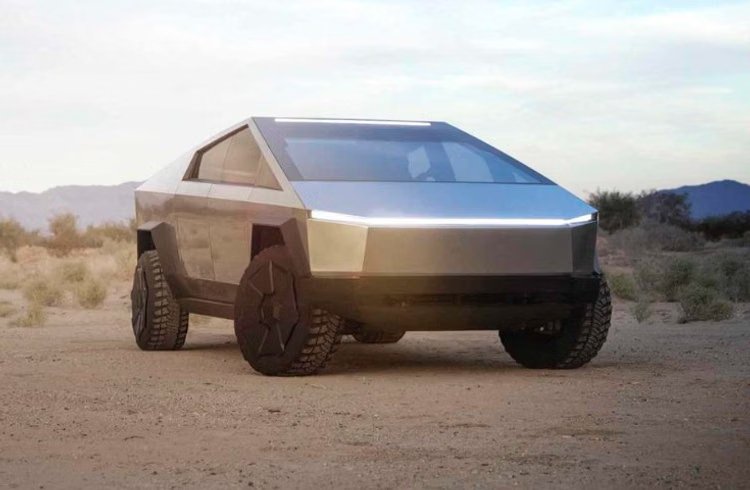
If you put down a deposit hoping to drive the world's most polarizing pickup for the next decade, the clock just started ticking. Tesla plans to pull the plug on Cybertruck assembly by mid-2027. The experiment—wrapped in cold-rolled stainless steel and hyped for years—simply ran out of buyers.
Cybertruck demand hit a wall. US buyers snapped up just 20,237 units last year, a 48 percent collapse from the 38,965 trucks delivered in 2024. That volume sits miles below the 250,000 annual deliveries Elon Musk once promised investors. For prospective pickup drivers, the numbers tell an unvarnished story: outside a devoted core of tech enthusiasts, traditional truck buyers skipped the angular steel wedge entirely.
Persistent build glitches and regulatory roadblocks sealed its fate early. Since customer handoffs began in late 2023, US traffic safety administrators slapped the electric pickup with 11 distinct recalls covering software faults and hardware failures. Overseas buyers faced an outright dead end. Its rigid stainless-steel panels failed pedestrian impact safety regulations in Europe, barring Tesla from exporting the vehicle to key global markets. The truck remained trapped on North American soil with an evaporating domestic customer base.
| Tesla Cybertruck Metric | Tracked Performance | Source / Benchmark |
|---|---|---|
| 2024 US Sales | 38,965 units | Annual Deliveries |
| 2025 US Sales | 20,237 units | 48% Year-on-Year Drop |
| Elon Musk Target | 250,000 units/year | Original Production Forecast |
| Safety Recalls | 11 federal actions | US Traffic Safety Regulators |
| Production Sunset | Mid-2027 | Austin Assembly Line |
Musk confirmed the phaseout will clear assembly space inside the Austin gigafactory to mass-produce the Cybercab—a compact, two-seater autonomous vehicle designed without a steering wheel, pedals, or side mirrors. Tesla already runs a limited pilot fleet offering paid autonomous rides in Austin, though federal transportation regulators continue an active audit into how the company self-certified the vehicle's roadworthiness.
Inside the engineering ranks, the tone is one of quiet transition. "Cybertruck was an incredible technology development platform and lives on through Cybercab," said Wes Morrill, lead engineer for the pickup.
Current owners and lingering reservation holders now face a closing window. Assembly lines in Texas will finish existing build queues over the next two years before tools are stripped out to make room for robotaxis by mid-2027.