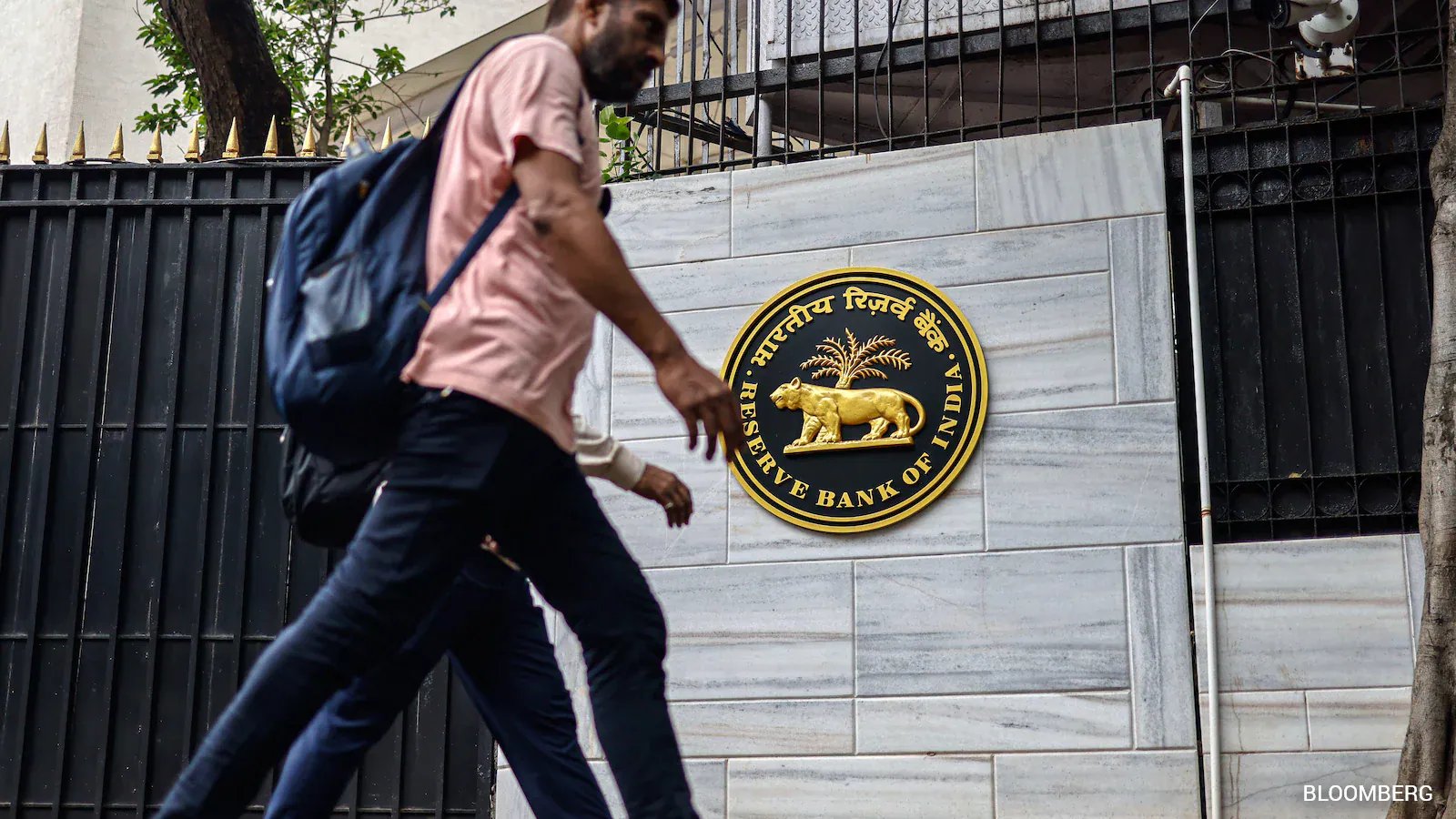
The RBI’s decision to raise the repo rate by 25 basis points on December 4 follows the central bank’s first hike in nearly four years, marking a sharp pivot from its earlier rate‑cutting cycle.
Economists at Goldman Sachs, Standard Chartered, Deutsche Bank and Morgan Stanley all forecast the December move, with Santanu Sengupta of Goldman noting a "material increase in hawkishness" compared to August.
The hike would push the policy rate to 6.25%, a two‑year high that places India among Asia’s highest rates. This follows concerns that inflation could persist as Middle East conflict pushes energy costs, weak monsoons threaten food prices, and the rupee at 96.76 against the dollar fuels imported inflation.
Growth remains robust, with the economy expanding 7.8% in the April‑June quarter, surpassing the RBI’s forecast, according to chief India economist Upasana Chachra of Morgan Stanley.
RBI Governor Sanjay Malhotra said the new "calibrated tightening" stance is milder and that the duration of the cycle will depend on inflation and growth dynamics, while HSBC’s Pranjul Bhandari warned that the change should not be read as a commitment to further hikes, expecting a likely pause thereafter.
The RBI will decide at its December meeting, with markets bracing for the impact on the rupee and on corporate borrowing costs, as the central bank tightens policy to curb rising inflation.