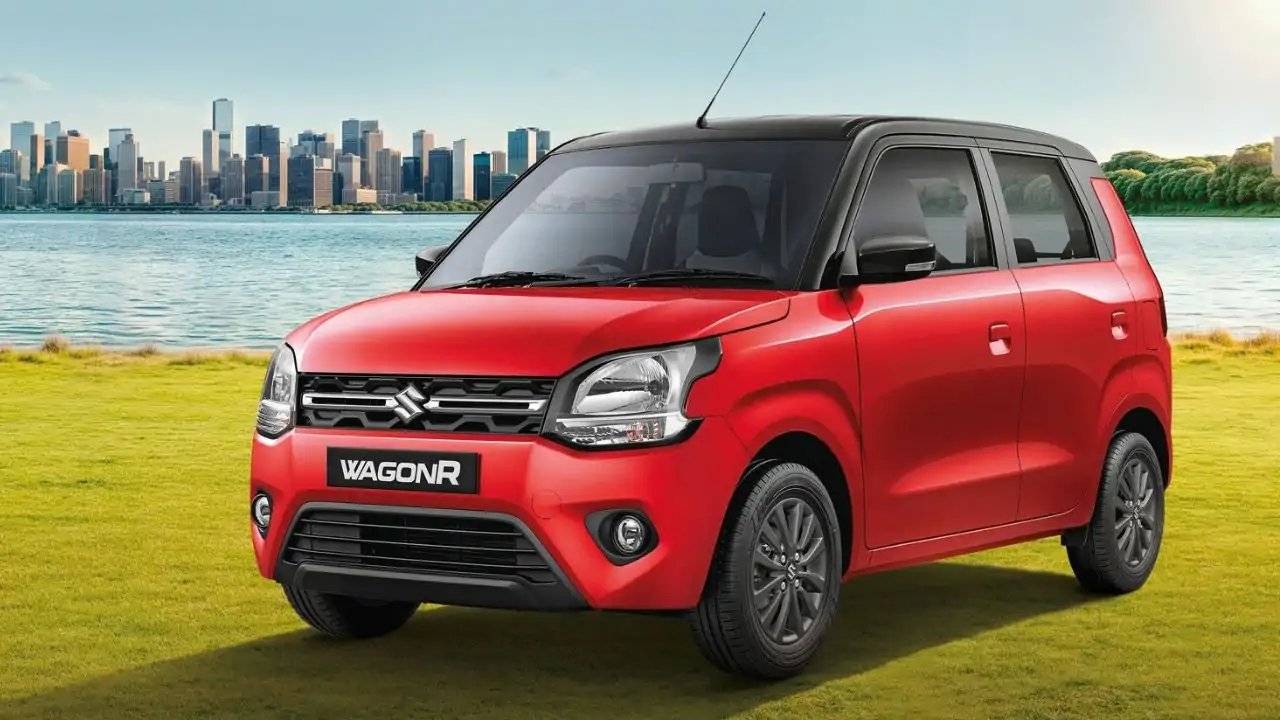
The Swift, Maruti’s long‑running compact, logged 91,887 sales in September, up 37% year‑on‑year, according to the latest figures. This spike is a clear sign that buyers are still gravitating toward the model’s blend of agility and proven track record.
When you strip the numbers down to the segment, mini‑plus cars moved 91,887 units, a jump from 74,090 the previous year. That places the Swift alongside the Baleno, Celerio and Dzire, all of which saw double‑digit growth. Hyundai’s i20 and Kia’s Seltos, the main foreign and domestic rivals, sold 45,000 and 38,000 units respectively, showing that the Swift still holds a sizeable share.
The 37% lift in Swift sales comes amid a broader mini‑plus up‑trend. The category as a whole rose 22% to 1.82 lakh units, while the utility segment grew 55% to 78,911 units. For buyers, that means the compact segment is not just surviving but thriving, giving more options in price and features.
From a buyer’s lens, the Swift’s staying power is driven by its affordability and low running cost, a combination that has kept it in high demand for decades. Even with newer entrants, the model’s reliability and resale value remain compelling. The fact that 24.4% overall sales growth for Maruti in September was largely built on the Swift’s performance speaks volumes.
Looking ahead, Maruti plans to keep the Swift lineup fresh, with incremental updates expected by early 2027. Availability will be nationwide, with dealers already prepping for the next model cycle. For buyers, the key will be to lock in a variant before the next upgrade and take advantage of the current price window.