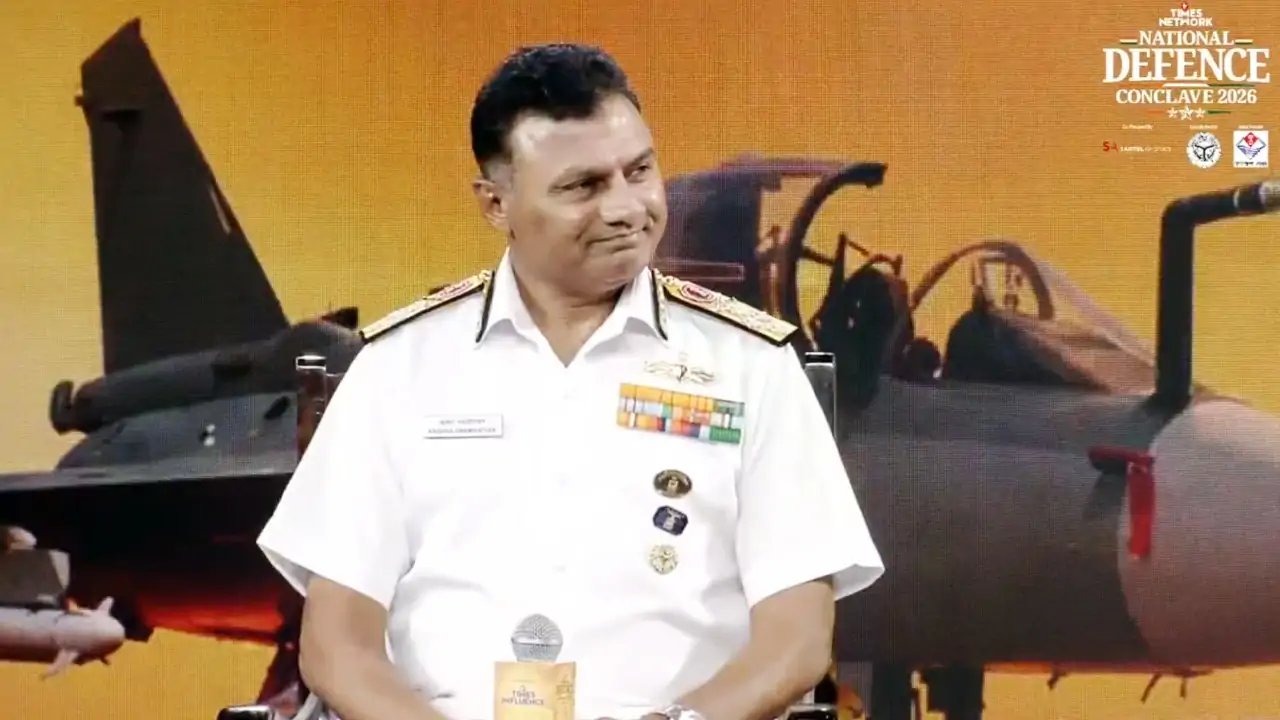
Admiral Krishna Swaminathan, the Chief of Naval Staff, declared that the security of the Indian Ocean is no longer a regional issue but a global economic imperative. Speaking at the Times Network National Defence Conclave 2026 in New Delhi, the Admiral argued that the sheer volume of trade passing through these waters means every nation has a stake in their protection. It’s a hard truth for policymakers who often treat maritime security as a back-burner issue.
The urgency behind these remarks is palpable. The ongoing US-Iran conflict has already triggered a surge in attacks on commercial vessels in the Strait of Hormuz, disrupting energy shipments and exposing the fragility of global supply chains. Swaminathan did not mince words about the risk. "The entire world has a stake in what happens in the Indian Ocean region," he told Times Now’s Zakka Jacob during a live conversation. "Its economic importance is immense."
The Navy’s response is not reactive; it’s anticipatory. Swaminathan detailed how the force deploys ships, submarines, and special forces 365 days a year to track vessel movements and identify potential hotspots. "We try and pre-position ourselves there so that when the time comes, we are already there," he explained. This strategy shifts the operational calculus from rapid response to sustained presence.
Technology is the other half of this equation. The Admiral confirmed the Navy is investing heavily in uncrewed systems—drones for surveillance, reconnaissance, and monitoring. This push aligns with the Atmanirbhar Bharat initiative, aiming to reduce dependency on foreign tech while building indigenous capabilities. It’s a decisive move to keep pace with evolving asymmetric threats.
The immediate next step is operational. As global tensions simmer, the Indian Navy will continue to monitor chokepoints and refine its drone integration strategies. The message to New Delhi and Washington is clear: India is ready to hold the line on the world’s most critical trade routes.