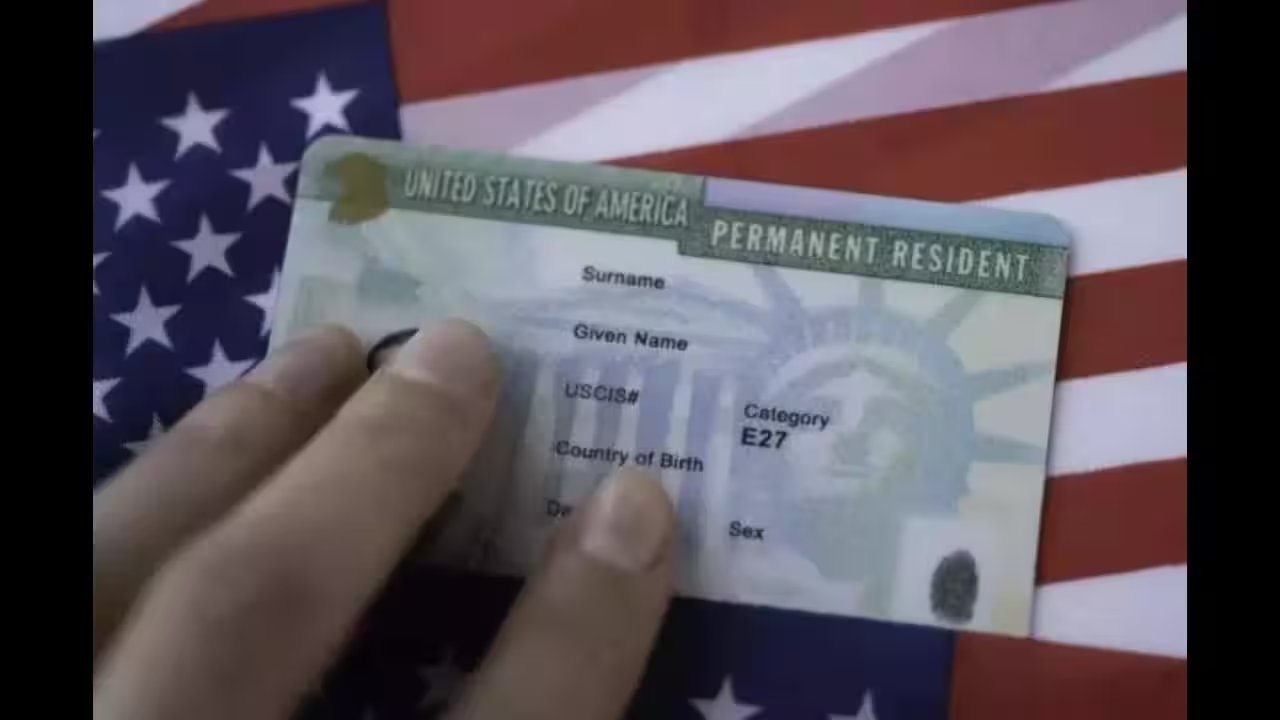
But the lawsuit, lodged on 12 October 2026, is the latest salvo from a coalition that includes the American Association of University Professors, the Service Employees International Union, and several individual scholars.
The first policy, the Adjustment of Status Directive issued in May 2026, marks a radical shift: USCIS now penalises applicants who seek permanent residence while staying in the U.S., forcing them to prove "unusual or outstanding" circumstances to offset the negative factor.
The second, the Evidence, Requests for Evidence, and Notices of Intent to Deny Rule of August 2026, grants officers the power to deny applications outright without giving the applicant a chance to submit additional documentation, even if the filing pre‑dated the rule.
USCIS spokesman Zach Kahler told Newsweek that the lawsuit is “yet another frivolous attempt to disrupt the Trump administration’s commitment to enforce our country’s immigration laws as intended by Congress.” He also said the agency would “continue to faithfully apply long‑standing immigration law and prior court decisions.”
Todd Wolfson, president of the AAUP, warned that the policies would “weaponise the Green Card process” and jeopardise scholars like Areli Esmeralda Rojas Correa, who risked deportation or forced family separation. Rocío Sáenz, SEIU secretary‑treasurer, added that 2 million members, many of them foreign‑born, would be hampered by the new rules.
The case will be heard by the U.S. District Court in New York on 5 December 2026, where the plaintiffs seek an injunction to block the two directives and a declaratory judgment that the rules violate the Immigration and Nationality Act.
If the court sides with the plaintiffs, the Trump‑Vance administration will likely need to revisit the policies, a move that could reshape the U.S. Green Card process for thousands of applicants.