IndiaPoliticsElectionProtestDelhi Police
3 CJP Leaders Released, Vow Nationwide Protest After Delhi Police Detention
Published: October 11, 2026
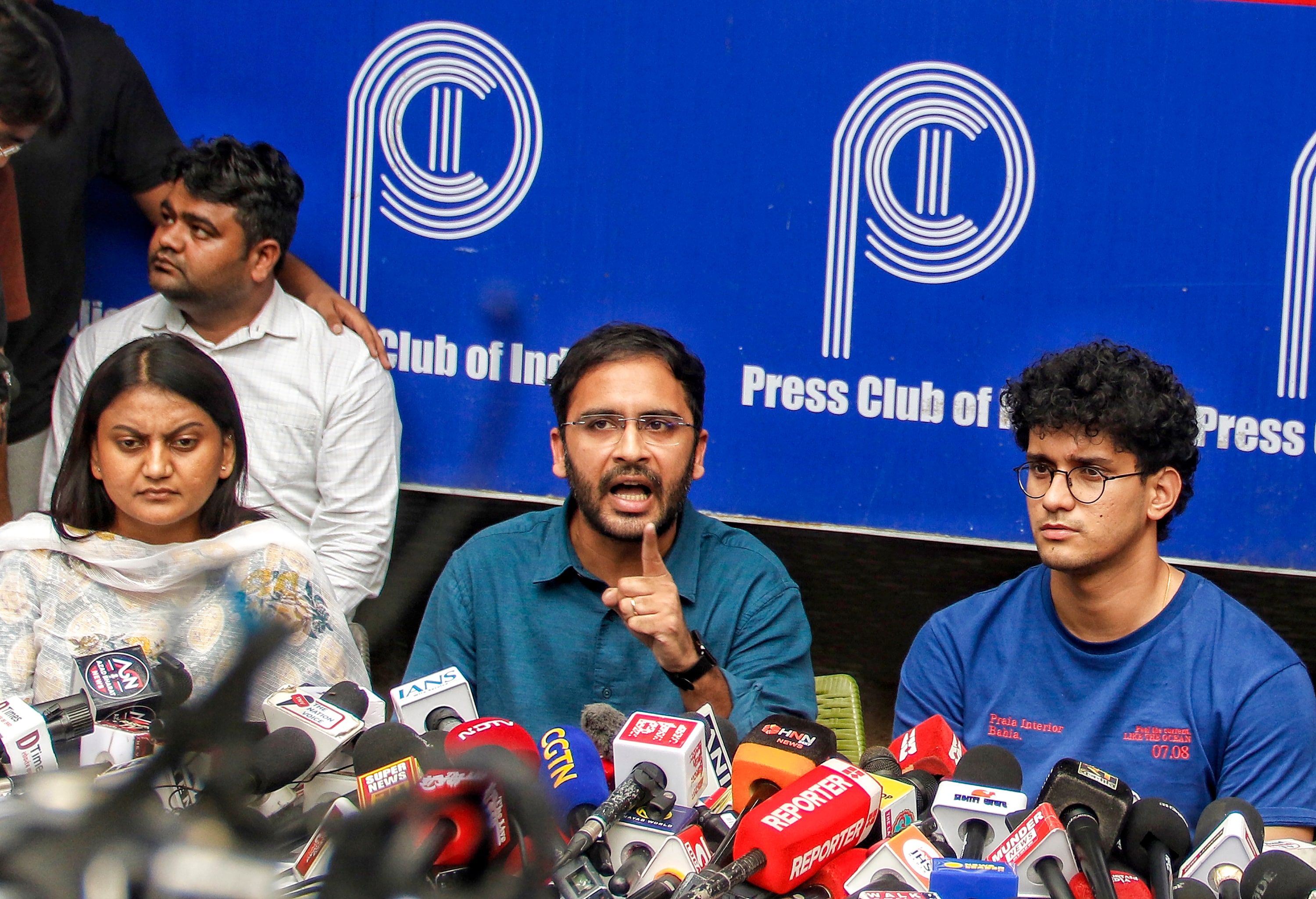
Three CJP leaders, Ashutosh Ranka, Saurav Das and Abhijeet Dipke, were released from Delhi police custody on Sunday after being detained for attempting to assemble at Jantar Mantar. They now pledge to launch a nationwide protest demanding Chief Election Commissioner Gyanesh Kumar’s resignation, with plans to mobilise across major Indian cities.
Three CJP leaders, Ashutosh Ranka, Saurav Das and Abhijeet Dipke, were released from Delhi police custody on Sunday after a court granted them bail for a year, following their arrest on Saturday for attempting to convene a protest at Jantar Mantar. The trio hailed the day as a turning point, with Ranka declaring, ‘The fight has just begun,’ and vowed to press on until CEC Gyanesh Kumar resigns. They also announced plans to stage coordinated demonstrations across major Indian cities.
The leaders had been seized from an aircraft after its Mumbai–Delhi landing, then placed under preventive arrest and produced before an executive magistrate in Delhi Cantonment. The magistrate released them on a condition that they refrain from breaching peace for 12 months, a clause the CJP argues does not preclude peaceful protest. Dipke, who had just left for Maharashtra to attend his grandmother’s last rites, posted on X that the bond did not bar them from marching.
The protest was sparked by allegations that the Election Commission had misused the Special Intensive Revision (SIR) of voter rolls and that Modi and the BJP were complicit. Earlier this week, Delhi police detained an estimated 7,000 protesters, including politicians, and imposed a lockdown that shut 45 metro stations and 250 trains. The CJP’s social media campaign claimed that the crackdown mirrored the 1975 Emergency, drawing sharp criticism from opposition leaders.
NJP chief Nitin Nabin dismissed the CJP as an ‘arm of the opposition’ and accused them of acting on behalf of ‘foreign forces’. Delhi Chief Minister Rekha Gupta echoed the criticism, branding the group the ‘B-team’ of Congress leader Rahul Gandhi and AAP chief Arvind Kejriwal. Defence Minister Rajnath Singh warned that while dissent is a democratic right, ‘spreading anarchy’ is not.
The CJP has set a date for a nationwide march on 15 October, with organizers saying they will occupy Jantar Mantar and other symbolic sites. They have also issued a legal notice to the Election Commission demanding Gyanesh Kumar’s resignation within 48 hours, threatening further civil disobedience if ignored.
Dipke’s release came after a family tragedy; his grandmother’s death was announced while he was still in police custody, a moment he described as ‘insensitive.’ The CJP has called for an independent inquiry into the police’s conduct and the alleged intimidation of protester families.