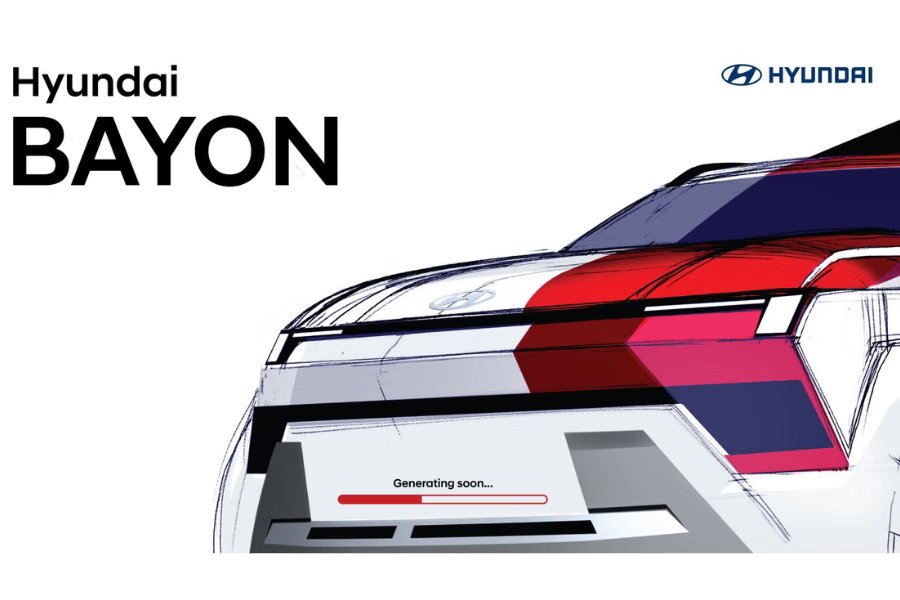
The Bayon’s debut sketches arrive just months after Hyundai announced the name, giving a first look at a vehicle that’s meant to feel like a city‑ready SUV. With a 2027 launch, the car is poised to hit the streets when India’s urban dwellers demand more space without sacrificing manoeuvrability.
The exterior is a study in sharp lines and purposeful bulk: a sculpted hood, pronounced fenders and a distinct H‑Edge lighting signature that echoes Hyundai’s Art of Steel philosophy. These details hint at a sturdy presence that still fits tight corners, a sweet spot for commuters stuck behind traffic.
Inside, the cabin promises technology‑first interactions, but Hyundai has withheld specifics on trim levels and equipment. Early sketches show a modern dashboard layout that could rival the contemporary feel of the Venue, yet the Bayon is set to offer more room for a family or a haul of groceries.
In the crowded 15‑20 lakh bracket, the Bayon will go head‑to‑head with the Kia Seltos, Hyundai Creta and the newer Hyundai Venue. Buyers will weigh the Bayon’s urban‑centric design against competitors that already enjoy strong sales footprints in metros.
India’s EV push and the 2025 duty hike on imported SUVs mean that even gasoline‑powered models like the Bayon will feel the ripple of policy changes. While the Bayon isn’t electric, its launch timing could influence aftermarket pricing and dealer incentives.
The first public reveal is just a sketch; the full spec sheet, powertrain options and pricing will surface closer to the 2027 launch. For now, keep an eye on Hyundai’s India website and upcoming auto shows for the next wave of details.