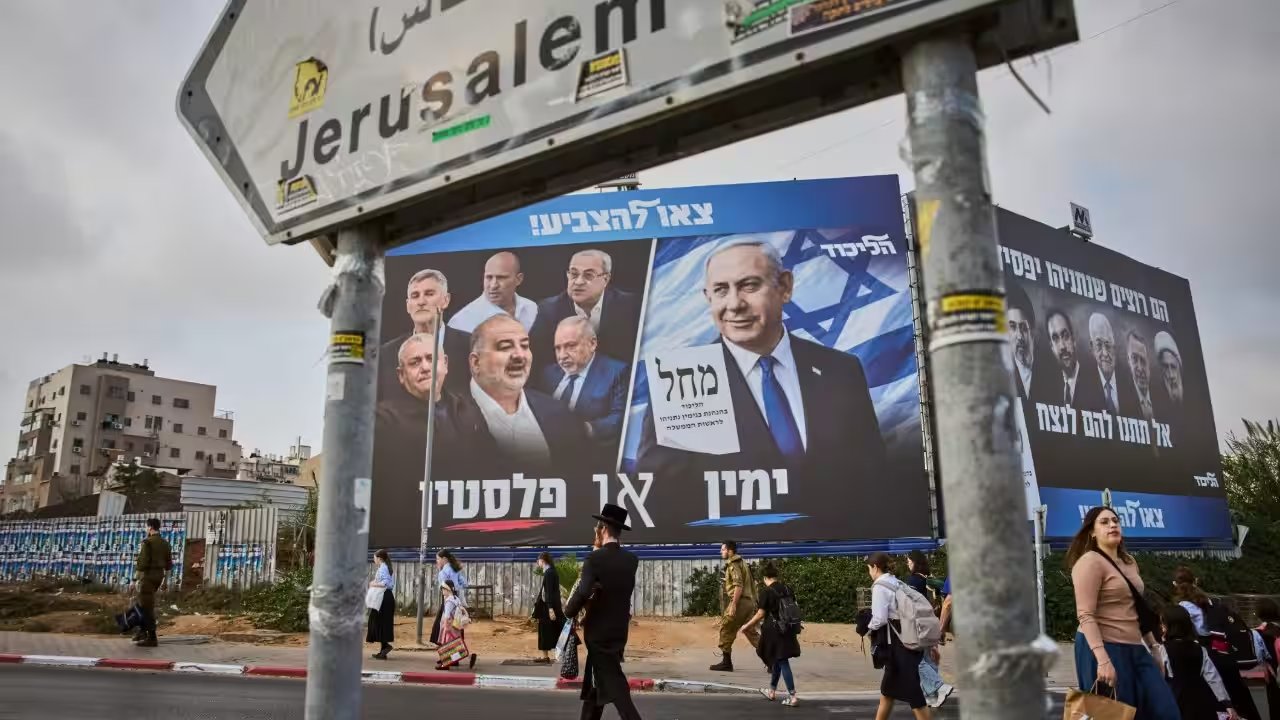
Netanyahu’s Likud coalition is projected to win about 50 seats, while Gadi Eisenkot’s Yashar party is expected to secure 22‑23 seats; the main opposition bloc is estimated at 52‑56 seats, and Arab‑led parties could add another 14‑16 seats. The vote on October 27 will be Israel’s first general election since the October 7 Hamas assault, and it will test whether Netanyahu can keep his party in the majority or whether Yashar will break the status quo.
Eisenkot, a former chief of the Israel Defence Forces who served from 2015 to 2019, left the war cabinet in June 2024 citing political interference in military decisions. In September 2025 he founded Yashar, positioning himself as a more accountable alternative to Netanyahu while maintaining a hard‑line stance on Hamas.
The October 7 attack killed 1,200 Israelis and seized 251 hostages, exposing significant intelligence and preparedness failures. Netanyahu has framed the subsequent military campaigns as decisive, but critics argue the attack occurred under his watch and demand an independent inquiry into the security lapses.
Netanyahu is currently on trial for bribery, fraud and breach of trust, and faces an International Criminal Court arrest warrant over alleged war crimes in Gaza. Trump’s recent endorsement has amplified his domestic political capital, even as the trial and international legal pressure mount.
The election outcome will decide if Likud can muster the 61 seats required for a majority, after which coalition negotiations will determine the next government. The vote is scheduled for October 27, with post‑election talks expected to begin within days.