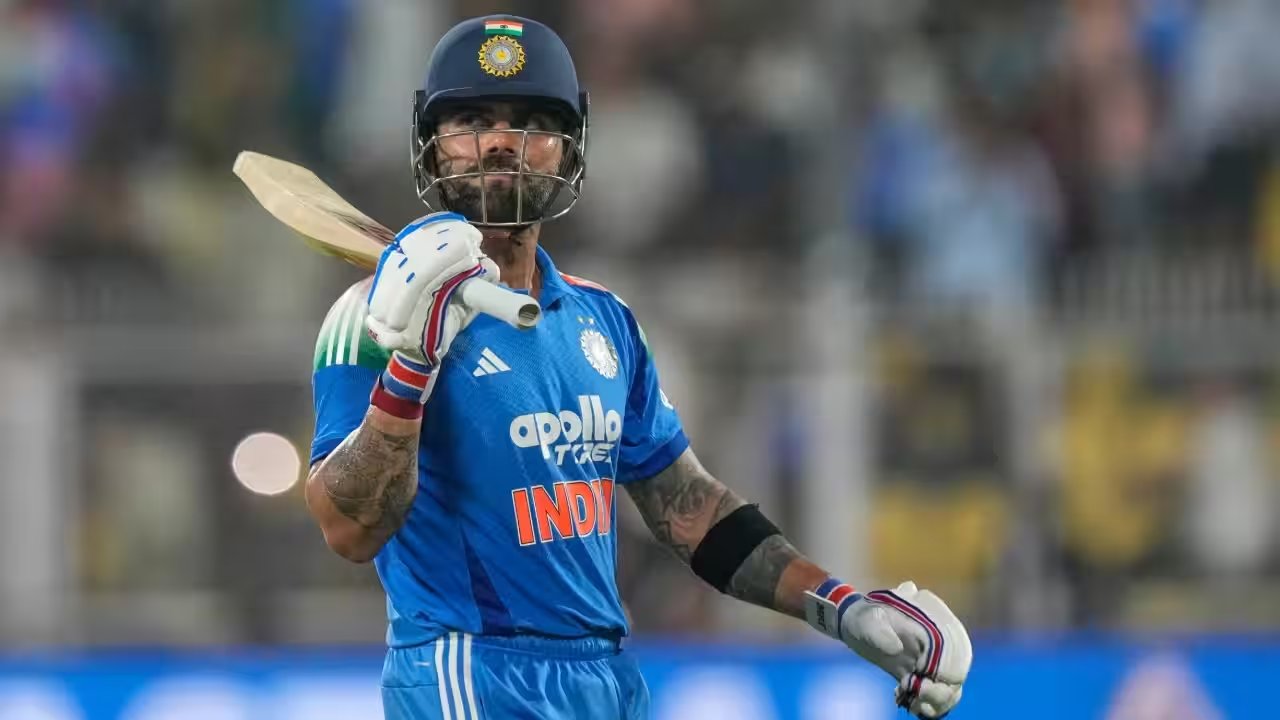
The Thiruvananthapuram pitch didn’t stand a chance. Virat Kohli walked in, saw the field, and decided to stop pretending he was playing conservatively. An unbeaten 139 off just 88 balls—studded with nine sixes and ten fours—saw India chase down 297 with eight wickets to spare. It wasn’t just a win; it was a statement that the old Kohli is gone, replaced by a batter who no longer fears the short ball or the pressure of a high total.
AB de Villiers, watching from the stands and the broadcast booth, couldn’t hide his delight. He’s seen this movie before, but this time, the ending is different. “It’s a third peak for him really taking his game to the next level,” de Villiers said, referencing Kohli’s legendary runs in 2012-2014 and 2016-2019. The former South Africa star noted that Kohli is finally using his experience to find the “good positions” that unlock his best game, rather than trying to out-think every delivery.
The context matters here. We are talking about the 2027 World Cup, which returns to South Africa for the first time since 2003. De Villiers, who will feature in the WCL, believes the Proteas are in a strong spot after a sixth consecutive ODI series win over world champions Australia. But he’s also acutely aware that a reinvigorated India is a nightmare scenario. If Kohli is playing like he did in Thiruvananthapuram, the Proteas’ “strong team culture” will face its toughest test yet.
For the Indian camp, the message is clear: the ODI format is no longer a consolation prize. It’s the arena where Kohli is currently king. The aggression is back, the scores are climbing, and the world is paying attention. The next real test comes when the rubber meets the road against higher-quality bowling, but for now, the third peak is very much in sight.