BengaluruHomeCookingBudgetTipsMealPrepLifestyle
₹8,000 a Month Cook in Bengaluru? Here’s How to Get Flavor Without Breaking the Bank
Published: October 9, 2026
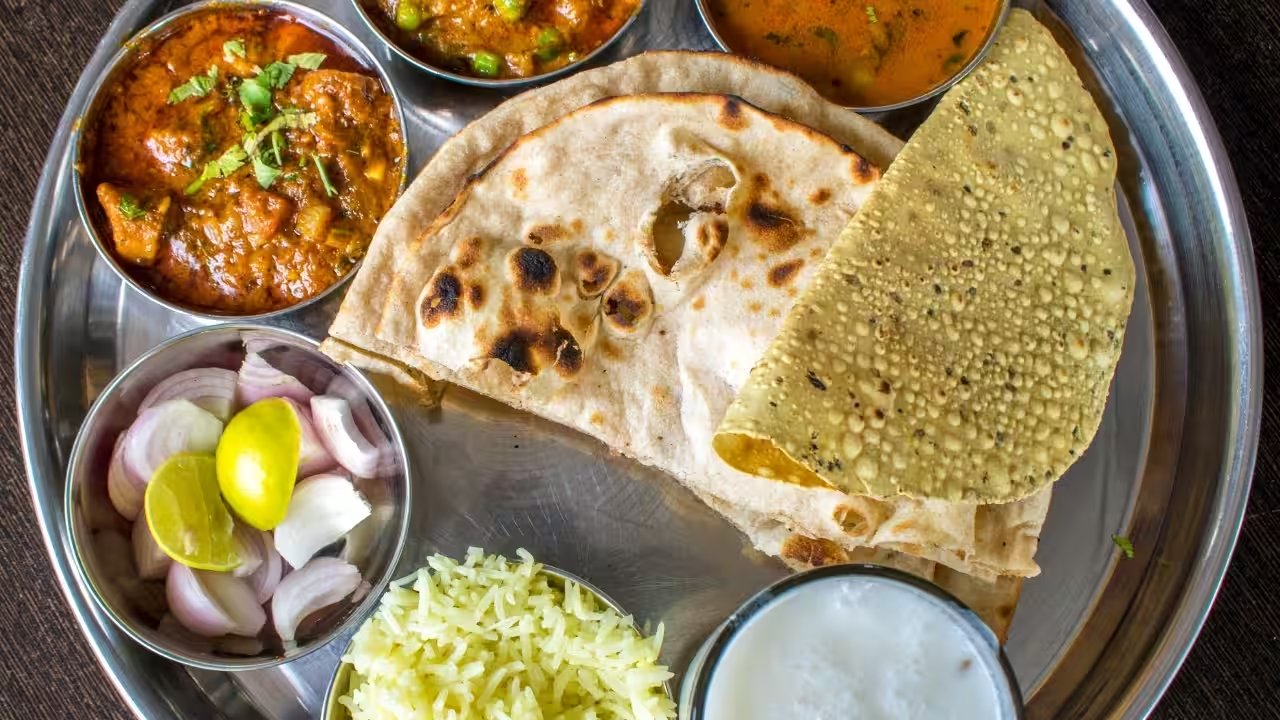
For a Bengaluru resident paying ₹8,000 a month, a cook delivers two meals daily, using mostly pressure‑cooked staples. A simple flavor guide can turn average dishes into meals you actually enjoy.
A cook who drops by twice a day for around ₹8,000 can feel like a kitchen hero, but the taste often lags behind the price tag. If you’re on the same page, the trick isn’t to cut the cost— it’s to make those meals work for you.
Start with a flavor sheet. Write down each dish you love, the spice level you prefer, and any ingredients you want to avoid. A quick 3‑column table—dish, spice level, notes—works well. Show it to the cook before each week; this gives them a roadmap and reduces the guessing game. A single sheet saved in the fridge can be a lifesaver.
Next, curate a weekly menu. Instead of leaving the cook to improvise, suggest a rotation: Monday dal, Tuesday aloo, Wednesday chicken. Let the cook know what you’re craving and what you’re not. This not only sharpens the flavor but also saves you from the extra oil and masala that often fill the gap.
Don’t forget the little extras. A pinch of fresh ginger or a splash of lemon can lift a pressure‑cooked curry. If your cook is open, ask them to try a new spice blend once a week. Small changes can turn a bland dish into a favorite.
Finally, weigh the time saved against the money spent. For many, the real value is the freedom from twice‑daily cooking and the mental load of meal planning. If that matters to you, keep the cook; if the taste stays the same, consider a part‑time hire or a meal‑prep kit as a more budget‑friendly option.
Ready to try? Grab a notebook, jot down your flavor guide, and talk to your cook next week. The result? Meals that taste like you expected and a kitchen that’s truly yours.