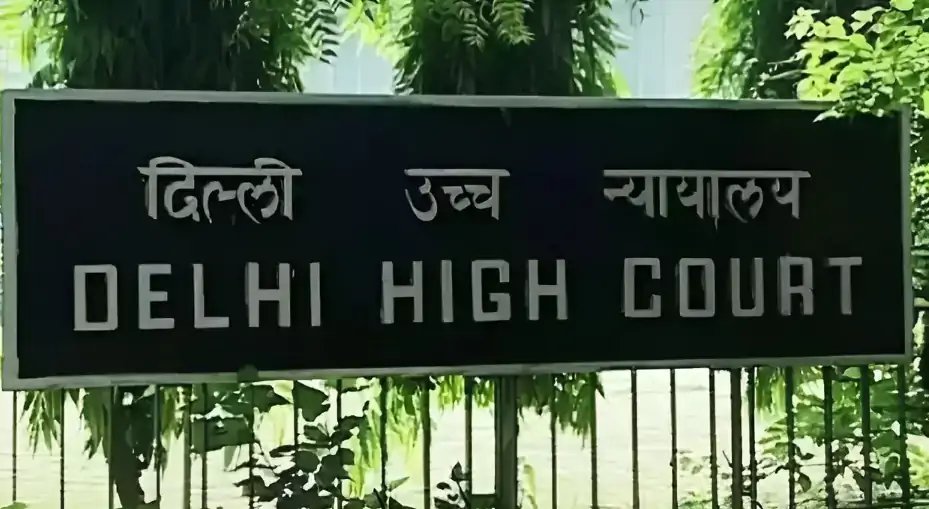
The Delhi High Court now operates with 50 judges after Chief Justice Devendra Kumar Upadhyaya administered oaths to seven new members of the bench on Monday. This expansion brings the court closer to its sanctioned strength of 60, a mix of permanent and additional judges, and immediately adds significant capacity to a system drowning in pending litigation.
The group includes Justices Nivedita Anil Sharma, Nisha Sahay Saxena, Sanjay Sharma, Bharat Parashar, Aditi Choudhary, Dinesh Bhatt, and Arun Bhardwaj. Most came from the district judiciary, but the appointments carry specific weight. Justice Parashar previously served as the Supreme Court's Secretary General, while Justice Bhardwaj was the Registrar General of the Delhi High Court.
The swearing-in ceremony highlighted a split in the bench's composition. Justices Sharma and Saxena, elevated as permanent judges, took their oaths in English. The other five, appointed as additional judges, swore in Hindi. This linguistic distinction mirrors the broader judicial ecosystem, where language often signals the tier of appointment, though it does not alter the legal authority of the bench.
The central government notified these seven appointments on September 19, following a recommendation from the Supreme Court collegium. The delay between notification and swearing-in is a common bureaucratic hurdle, but the arrival of these judges is a tangible win for litigants. With 50 judges on the rolls, the court can now constitute more benches daily, a critical factor in reducing the average pendency of cases that has plagued the institution for years.
The immediate impact falls on the docket. Each new judge adds roughly 10 bench-days to the weekly schedule. For a court handling over a million cases, this increment is not symbolic; it is operational. The next step is filling the remaining 10 vacancies to reach the full sanctioned strength of 60, a target the government and the collegium must prioritize to sustain this momentum.