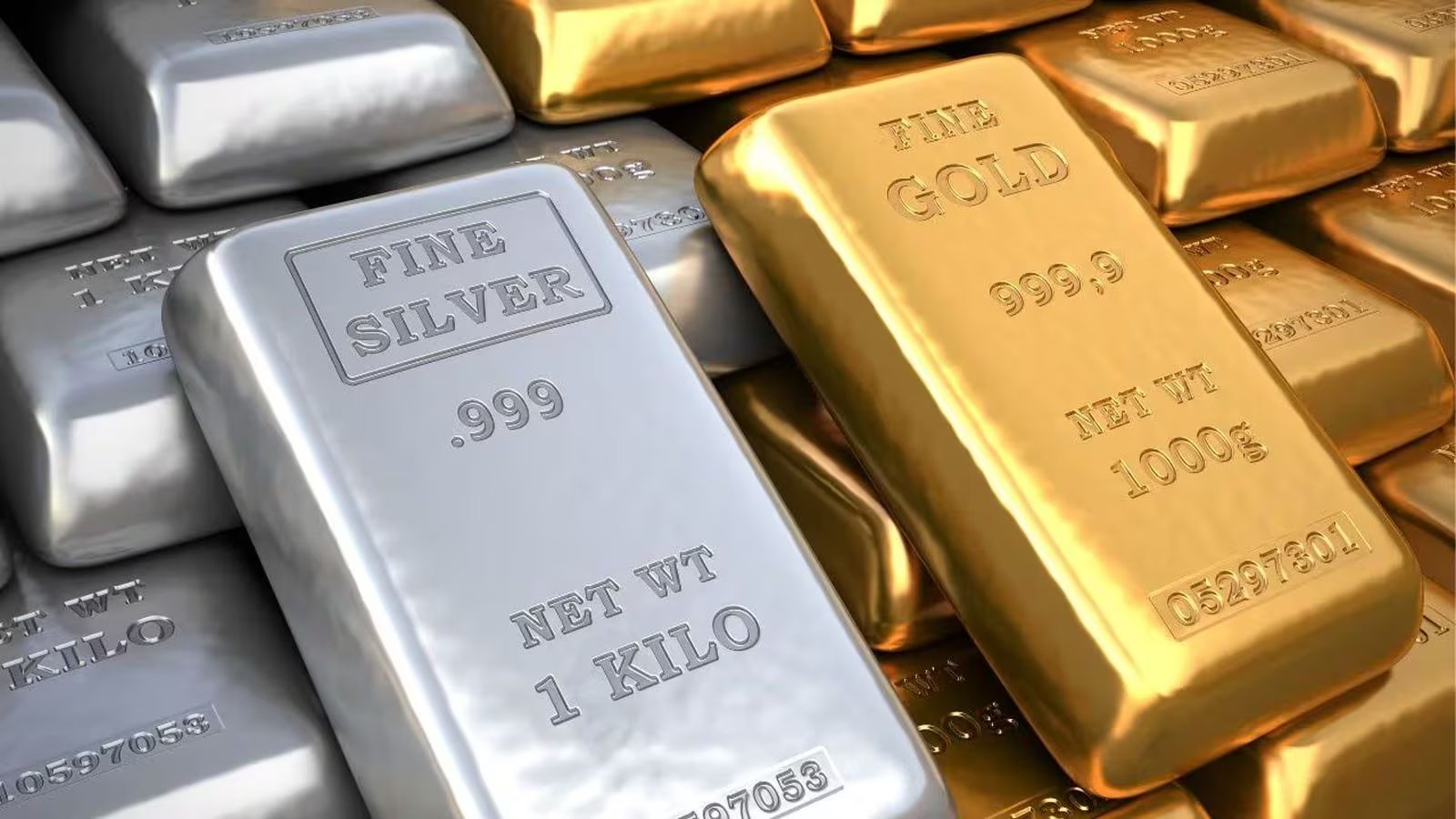
The government is set to tighten the screw on precious metal imports. According to sources familiar with the matter, the GST Council will consider a proposal to withdraw the Integrated GST exemption currently enjoyed by banks and nominated agencies. The vote is scheduled for October 7. This isn't a new tax; it's the removal of a shield. Currently, these entities import gold, silver, and platinum without paying the 3% IGST. Once this is gone, they’ll pay the same rate as everyone else in the trade chain.
Why now? The forex books are bleeding. India is the world’s second-largest gold consumer, and the outflow of foreign currency is denting reserves. In May, the government already hiked the basic import duty on gold and silver to 15% (up from 6%) and platinum to 15.4% (up from 6.4%). That was the first strike. This is the second. The goal is clear: make non-essential imports expensive enough to pause, or at least slow down. Prime Minister Narendra Modi has publicly urged citizens to curb gold purchases, citing stress on the rupee following the Iran-US-Israel conflict and rising import bills.
The numbers show the scale of the problem. Between April and August 2026-27, gold imports grew 3.38% to $17.47 billion. Silver imports, conversely, dipped 8.81% to $1.74 billion. The 2017 exemption was originally granted to facilitate trade when the sector was tightly canalised. Today, that context has shifted. By removing the exemption, the state ensures bullion exchanges and nominated agencies compete on the same tax footing. No more preferential treatment for the banks moving the metal.
For traders, this changes the cost structure immediately. A 3% IGST on top of a 15% duty creates a significant hurdle for those relying on bank channels for procurement. The market will likely see a repricing of spot gold and silver futures as participants factor in this additional compliance cost. The next watchpoint is the October 7 council meeting, where the final decision is expected to be formalized.