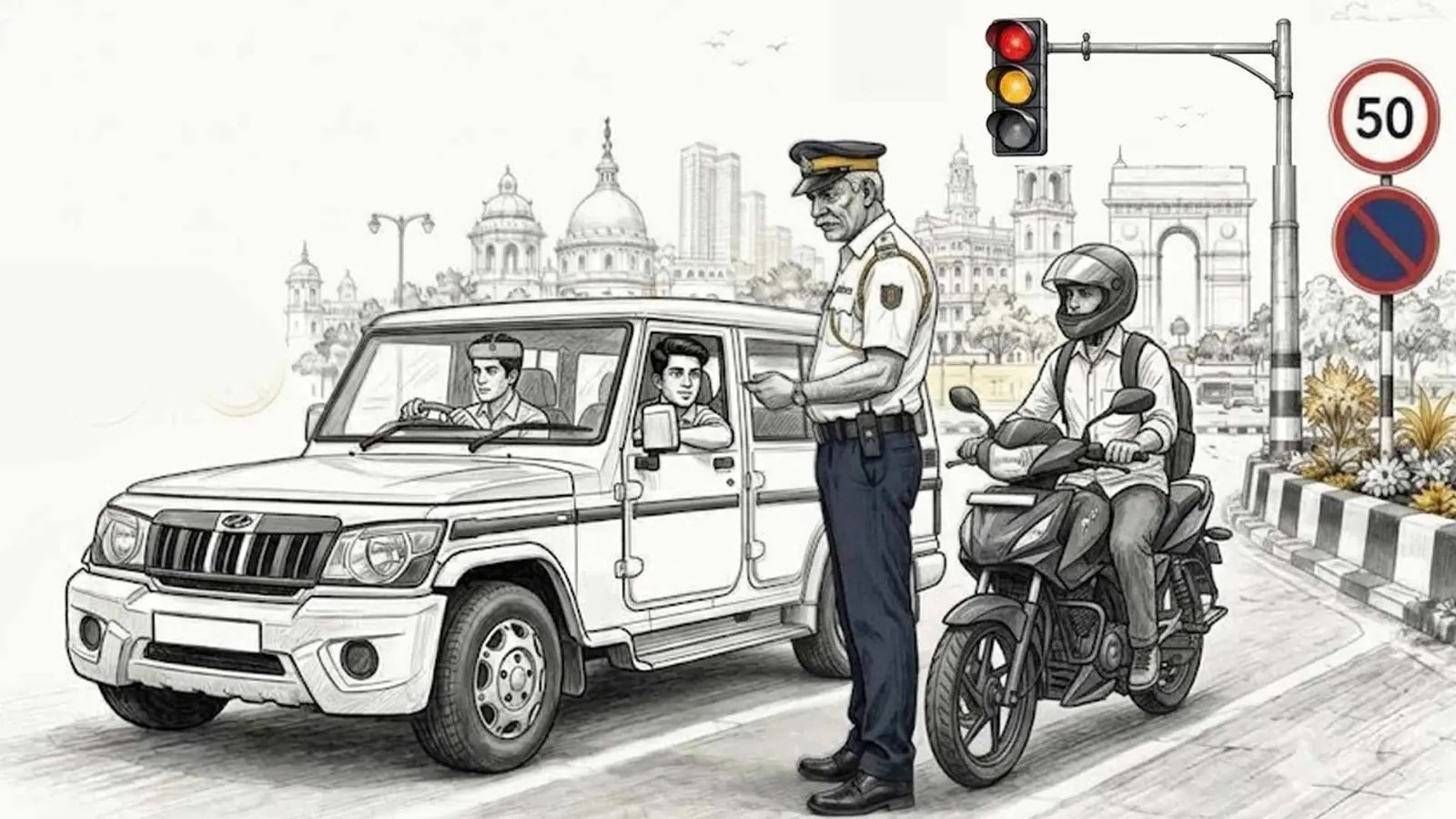
The Supreme Court told the government this week that issuing e-challans is futile without a mechanism to collect the money. "It is not sufficient to keep issuing e-challans. The question is the recovery of fines sought to be imposed through these e-challans," the bench stated, hinting at linking unpaid dues to utility bills like electricity.
The numbers behind that frustration are stark. Ministry of Road Transport and Highways data shows traffic challans surged from 4.2 crore in 2021 to 9.6 crore in 2025. By the first nine months of 2026, that figure had already hit 7.8 crore. But the real problem isn't the issuance; it's the collection.
The unpaid share has climbed relentlessly. In 2022, 48% of challans went unsettled. By 2023, that jumped to 55%. The trend accelerated sharply: 63% in 2024, 70% in 2025, and a staggering 82% in 2026. Essentially, four out of every five fines issued last year were never paid.
Uttar Pradesh leads the list for both issuance and debt, with nearly 9 crore tickets issued. Telangana follows with 8.2 crore, Kerala with 4.7 crore, and Haryana with 2.4 crore. When these cases do reach the judiciary, the backlog is crushing. Of the 70 lakh challans sent to courts in 2021, only 28% were disposed of after five years. The efficiency has plummeted further; in 2025, just 8.6% of the 2.9 crore court-referred challans were resolved.
The court now waits for the government’s response to its suggestions. If the proposal to link fines to essential services gains traction, the 82% default rate could face its first serious financial deterrent. Until then, the gap between violation and penalty widens with every red light ignored.