CAFE-IIIEV PolicyFuel EfficiencyCar PricesBEE
CAFE-III EV 3x Credit Explained: Why This Changes Car Prices and Lineups
Published: October 1, 2026
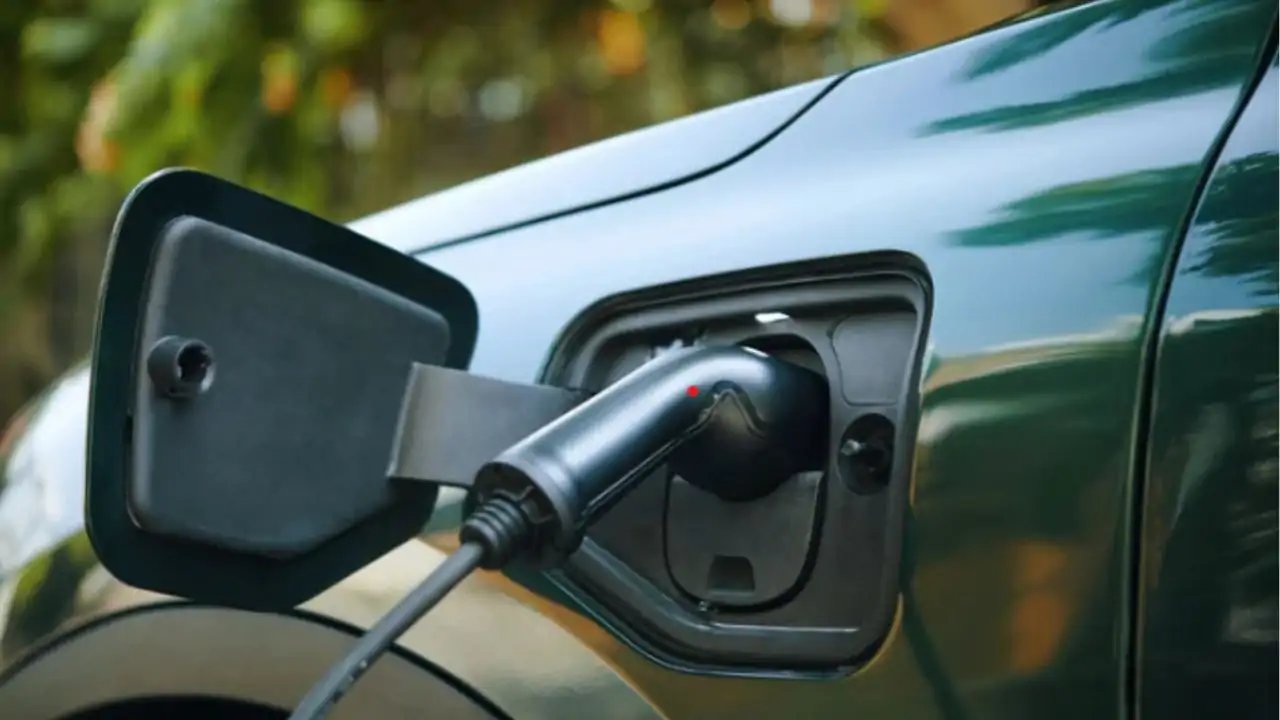
The new CAFE-III norms grant a tripling compliance credit for every electric vehicle sold, effectively letting one EV offset three conventional models. This structure incentivizes OEMs to flood the market with EVs rather than cutting prices on small petrol cars to meet fleet averages.
If you're waiting for the price of a Tata Nexon or Hyundai i20 to drop because of new fuel-efficiency laws, you might be waiting a while. The government’s CAFE-III norms, kicking in April 2027, don't work that way. Instead of forcing makers to make every single car more efficient, it lets them balance their books. The big trick? Every electric vehicle a company sells counts as three vehicles toward its fleet average. It’s a massive loophole for EVs that changes the entire calculus for carmakers.
Consider the math. A manufacturer with a reference fleet weight of 1,229kg faces a target of 3.996 litres per 100km in the first year (FY28), tightening to 3.3273 litres by FY32. That’s a drop from roughly 94.8g/km to 78.9g/km in CO2 terms. But here’s the kicker: if they sell a pile of heavy SUVs, they can offset that penalty by selling EVs. It’s a fleet-average calculation, not a model-by-model one. So, a few extra Range Rovers in the portfolio won't tank the whole lineup as long as the EV sales are high enough.
This tiered credit system is the real story. EVs get the 3x multiplier. Plug-in hybrids and flex-fuel strong hybrids get 2.5x. Regular strong hybrids get 1.6x, and flex-fuel ethanol vehicles get a modest 1.1x. Even CNG cars get a flat 5% or their CBG blending percentage. The hierarchy is clear: the government wants you to go electric, and it’s making the economics work for the OEMs. If a carmaker beats their target, they accumulate credits in a passbook system. They can sell those credits to rivals who are struggling, or buy them from the Bureau of Energy Efficiency at a price that will climb from ₹2,500 to ₹4,500 per gram of CO2/km between FY28 and FY32.
So, what does this mean for your wallet? Expect a flood of EV launches across all price segments over the next five years. It’s cheaper for a company to slap an EV badge on a car than to redesign a petrol engine for marginal efficiency gains. But don’t expect this to magically lower the price of a base-model petrol hatchback. The compliance burden is absorbed at the fleet level. The savings from the 3x credit will likely go into R&D for new EV platforms, not into cutting the sticker price of the cars you’re already buying. Small-car pricing is driven by steel, labor, and demand, not this specific regulatory credit.
The timeline is set. These rules apply to vehicles made or imported between April 2027 and March 2032. Manufacturers selling fewer than 1,000 eligible vehicles a year are exempt from the specific numerical target, though they still have to file data. For the rest, the pressure is on to electrify. Keep an eye on which brands start pushing their EV lineup harder in the next two years. That’s where the 3x credit is going to make the biggest dent in the market.