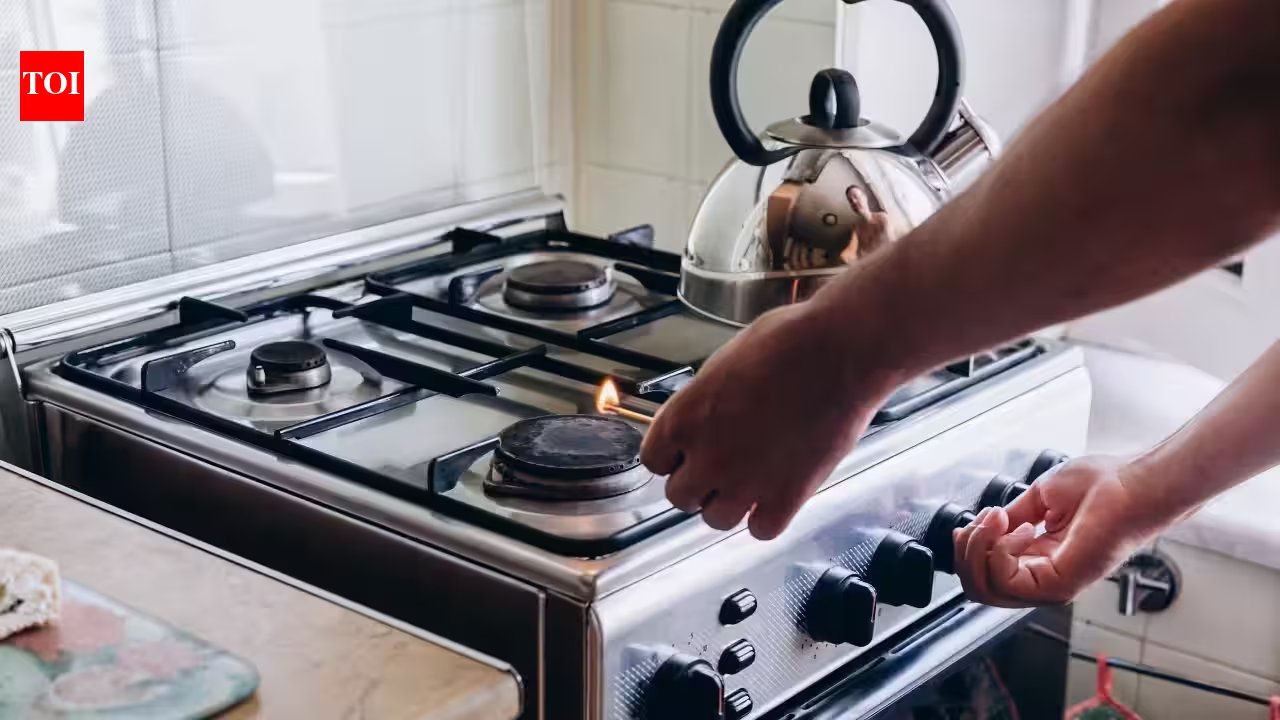
When the first sour whiff of rotten eggs hits your nose, don’t just shrug it off—step out. The smell is a red flag, and the quickest move is to evacuate the house and guide everyone else out, too.
But before you rush, keep a mental note of the kitchen layout: the stove, the cylinder, the pipe—those are the zones you’ll want to avoid. A hissing hiss around any of those spots? That’s the gas talking, and it's a signal to stay away from it.
Lights, fans, and even your phone’s screen can become a spark when gas is around. Imagine turning on a switch and a flare lighting up a kitchen—scary, right? So, hold off on any electrical action; the safest way is to stay off the grid until help arrives.
Trying to tighten a connection or test a pipe is tempting, but think of it like trying to fix a broken heart with a Band-Aid. It’s not the right tool. Keep your hands on the sofa and let the professionals handle the regulator or cylinder.
The smell may fade or linger, but that doesn’t mean the danger is gone. Stay out until a qualified inspector or the LPG provider gives the green light. And when you’re back inside, it’s worth grabbing a battery‑operated gas detector from your local hardware store—just one small step that keeps the kitchen, your skin, and your peace of mind safe.