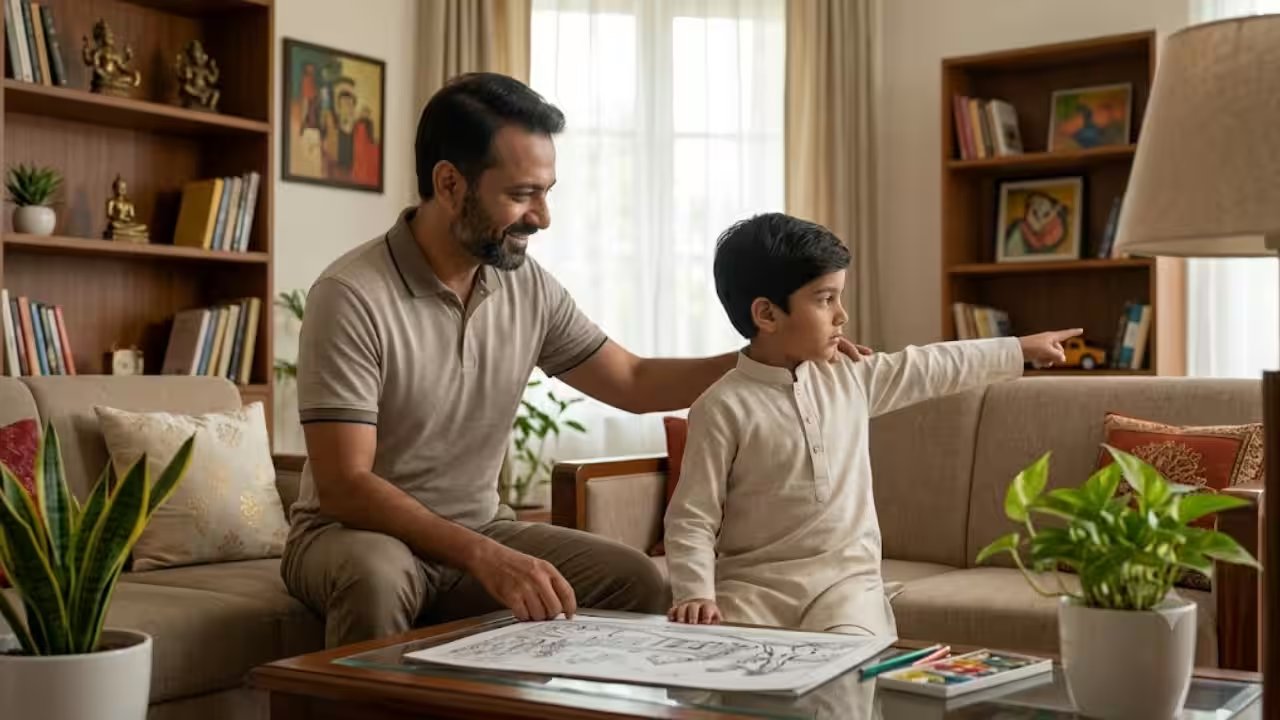
If your child smiles at a compliment and immediately pivots to talk about dinner or a cartoon, don't panic. This isn't ingratitude or a personality flaw. It's often a defense mechanism against what psychologists call 'inflated praise'—comments that exaggerate a child's worth rather than acknowledging their specific actions. A 2017 study tracking 120 parent-child pairs in the Netherlands found that constant, exaggerated compliments actually predicted lower self-esteem in children aged 7 to 11. It’s a counterintuitive finding, but it makes sense when you realize that broad praise puts a child on a pedestal they don't know how to stand on.
The difference lies in the specificity. Saying 'You're the smartest child in the class' makes a broad claim about who the child is. This creates a hidden burden: they now have to keep proving they are 'the smartest' every single time. In contrast, saying 'You worked hard to understand that problem' recognizes something they actually did. This type of feedback, known as process praise, supports a child's sense of competence without tying their identity to the outcome. It turns the moment into a reflection on their effort, not a performance review.NewPARA For parents, the adjustment is simple but requires a shift in instinct. Next time your child finishes a task, resist the urge to use superlatives. Instead, describe what you see. 'I noticed you kept trying different colors until it looked right' is far more powerful than 'You are a natural artist.' This approach removes the pressure to maintain a perfect image. If your child still deflects, let it go. Asking 'Why can't you take a compliment?' only turns a moment of discomfort into an interrogation.
Start tonight. Wait for a small win—maybe they cleaned their room or solved a math problem—and offer one specific, observation-based comment. Then, move on with your day. Let them sit in the quiet confidence of being seen for their effort, not just their results.