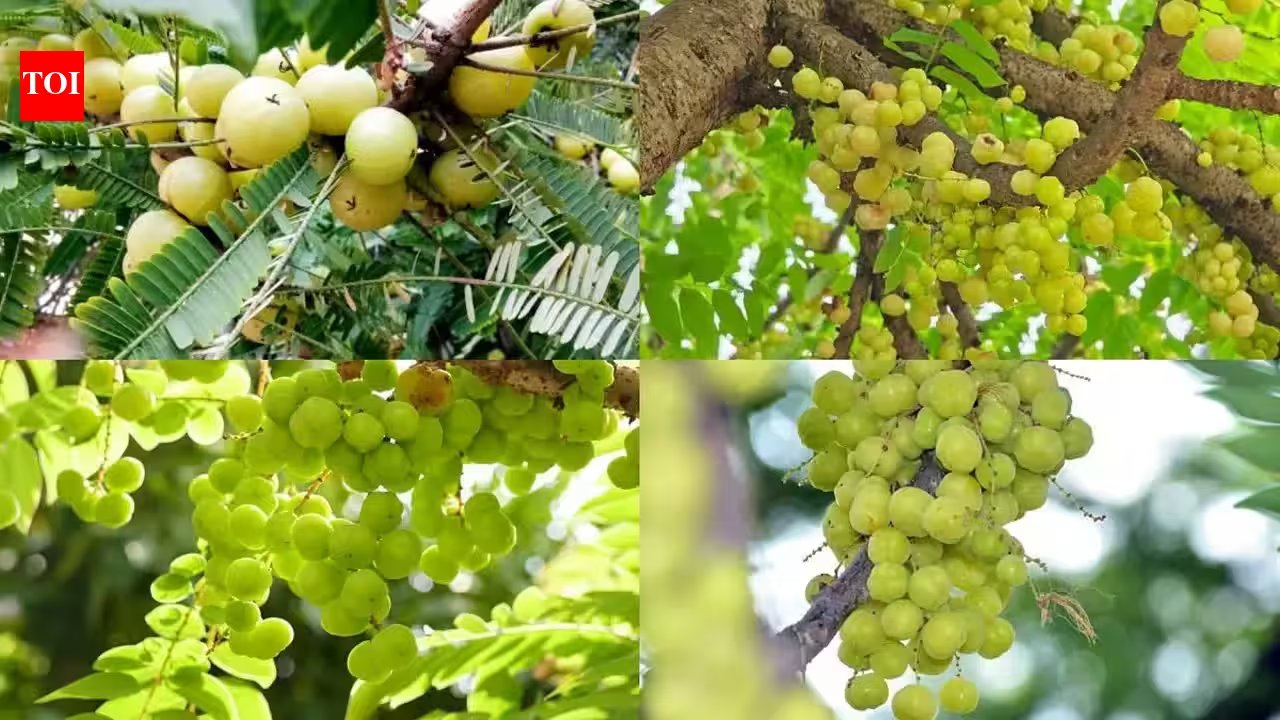
If you’ve ever wanted a pocket‑full of vitamin C ready for your nightly face mask, growing your own Amla is the quickest route. Grafted saplings from a trusted nursery start bearing in three to four years, giving you predictable fruit size and a sweet, tart flavor that’s perfect for skin.
Choose a 18‑24 inch pot with plenty of drainage holes; the tree’s deep roots love space. Mix garden soil, compost and a splash of sand or cocopeat for a loose, well‑draining bed that keeps the roots from sitting in water. Water every two to three days in hot weather, letting the top inch of soil dry between sessions—overwatering is the real risk, not a dry spell.
Place the pot where it can soak up six or more hours of direct sun a day—think terrace or open balcony. Keep it slightly raised off the ground to avoid puddles, and if you’re planting in ground, dig a two‑foot wide pit at least two feet deep, setting the sapling away from walls and other trees.
As the tree matures, prune dead or crossing branches in the dry season to keep its shape tidy. In spring the tree will flower, and by October to February the fruits will ripen, turning that distinctive light greenish‑yellow. Gently twist or snip them with scissors to avoid bruising.
Now the fun part: turn your home‑grown harvest into skin‑loving goodness. Crush a handful of fresh Amla for a pulp, mix with a teaspoon of honey and a drop of rosewater, and apply as a brightening mask. The high vitamin‑C content gives a natural glow, and the fruit’s antioxidant power fights free radicals. Or blend a few berries into a serum base—add a splash of aloe gel for a lightweight, soothing texture.
If you’re ready to start, head to a local nursery that sells Amla saplings; ask which variety suits your climate. Buy a grafted plant, plant it in a roomy pot, and keep a small jar of fresh fruit on your vanity for those quick, vitamin‑rich treatments. Soon you’ll have a steady supply of natural beauty fuel, right at your fingertips.