US-Iran RelationsCeasefire ProposalMiddle East ConflictGlobal Energy MarketsInternational Diplomacy
US and Iran at Odds Over Ceasefire Proposal
Published: May 11, 2026
Loading article...
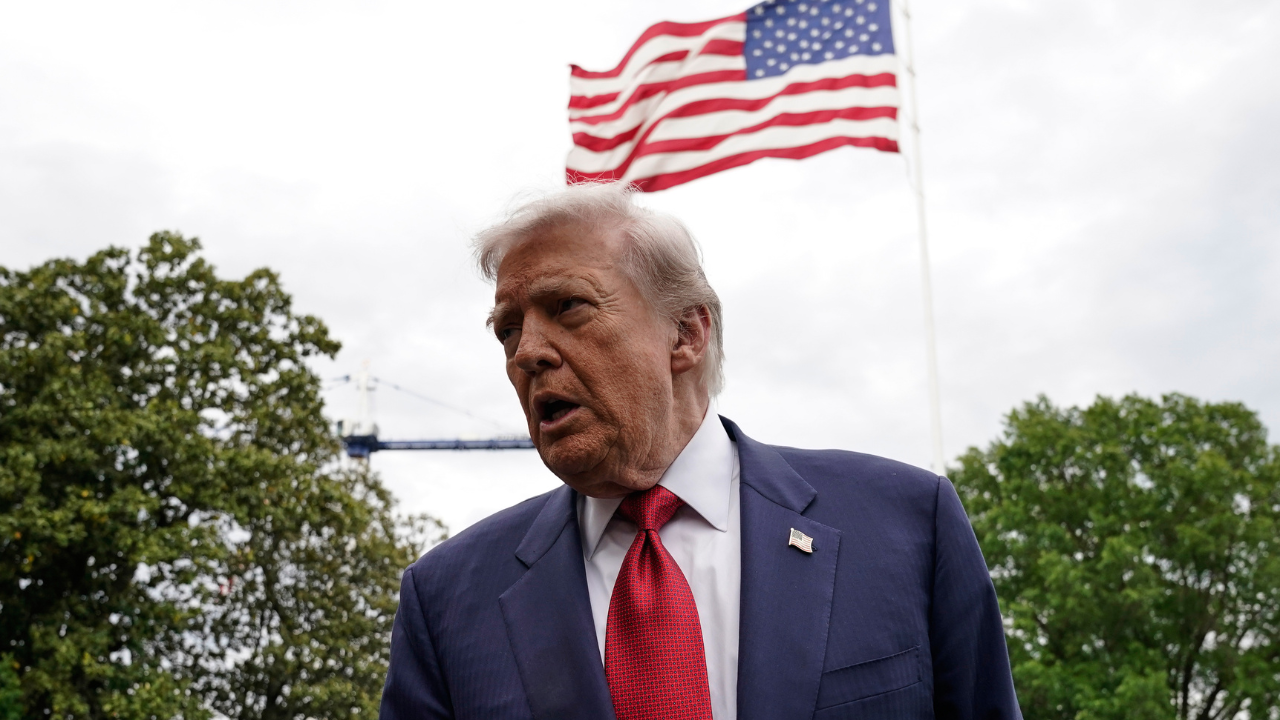
The US and Iran are at odds over a proposed ceasefire, with Iran demanding sweeping concessions from Washington, including sanctions relief, compensation for war damages, and recognition of its authority over the Strait of Hormuz. President Donald Trump has rejected the proposal, calling it 'totally unacceptable', and the US has insisted that any ceasefire must include a halt to Iran's nuclear activities and the surrender of its uranium stockpile.
The Iranian proposal, as reported by state-linked media and Al Jazeera, also called for the withdrawal of US forces from the region, an end to the naval blockade on Iranian ports, and the unfreezing of nearly $20 billion in Iranian assets.
The US, meanwhile, has sought to curb Iran's support for regional allies such as Hezbollah and Hamas, and has pushed for limits on Tehran's ballistic missile program.
The rejection of the proposal has led to increased tensions, with oil prices jumping by nearly $3 a barrel and global energy markets expressing concern over the conflict's economic fallout. The US is expected to continue diplomatic efforts, with President Trump set to discuss Iran with Chinese President Xi Jinping during his upcoming visit to Beijing.
The immediate outlook is for continued tensions, with NATO allies resisting US calls to send naval forces to reopen the Strait of Hormuz without a comprehensive peace agreement and an internationally mandated mission. The court of international opinion will continue to watch the situation closely, with leaders from Israel, Iran, and other regional countries weighing in on the conflict.