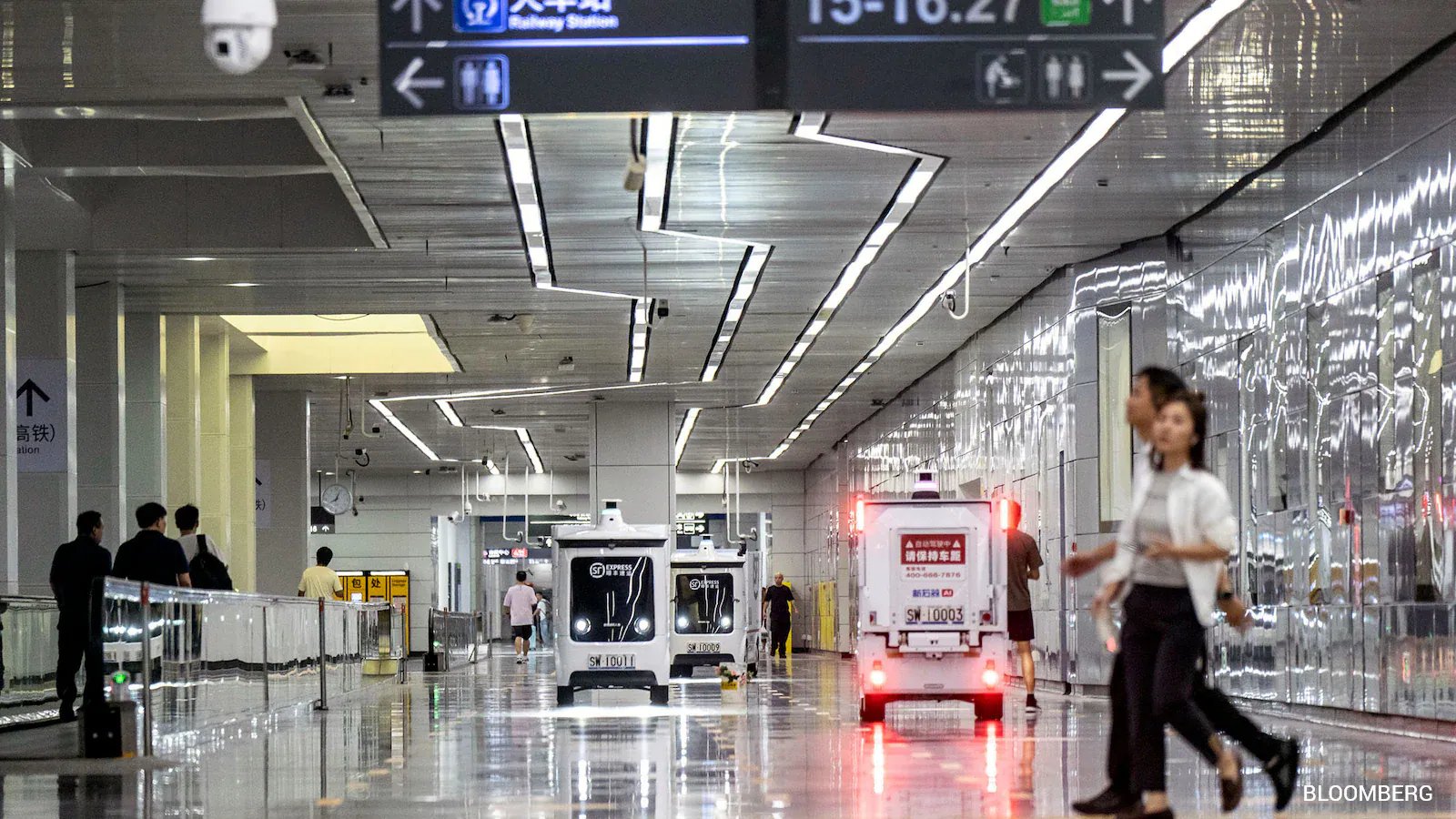
At 10:12 p.m., Zhang Chao, a grocery‑store manager in Longgang, tapped his phone and watched a boxy robovan glide across the market, picking up a crate of poultry and setting off at 45 km/h toward a customer on the other side of town.
Shenzhen’s factories never sleep; the city’s high‑rise offices glow into the night and traffic thins, creating a quiet corridor that regulators have now opened to autonomous delivery vehicles.
Neolix CEO Yu Enyuan said the night‑shift operation eliminates human wages, removes fatigue risks, and sidesteps weather premiums, turning idle roads into a revenue stream.
City officials applauded the pilot, issuing L4 test licences to Neolix and other firms, while transport regulators tightened safety protocols to keep pedestrians and cyclists safe.
The move follows Meituan’s 5.5 million outdoor orders and JD.com’s pledge to field 3 million robots, 1 million unmanned vehicles, and 100 000 drones across the next five years, hinting at a nationwide push.
Neolix now plans to expand its fleet to 3 million robots by 2028, with Shenzhen slated to review traffic data next month to assess the impact on road safety and logistics efficiency.