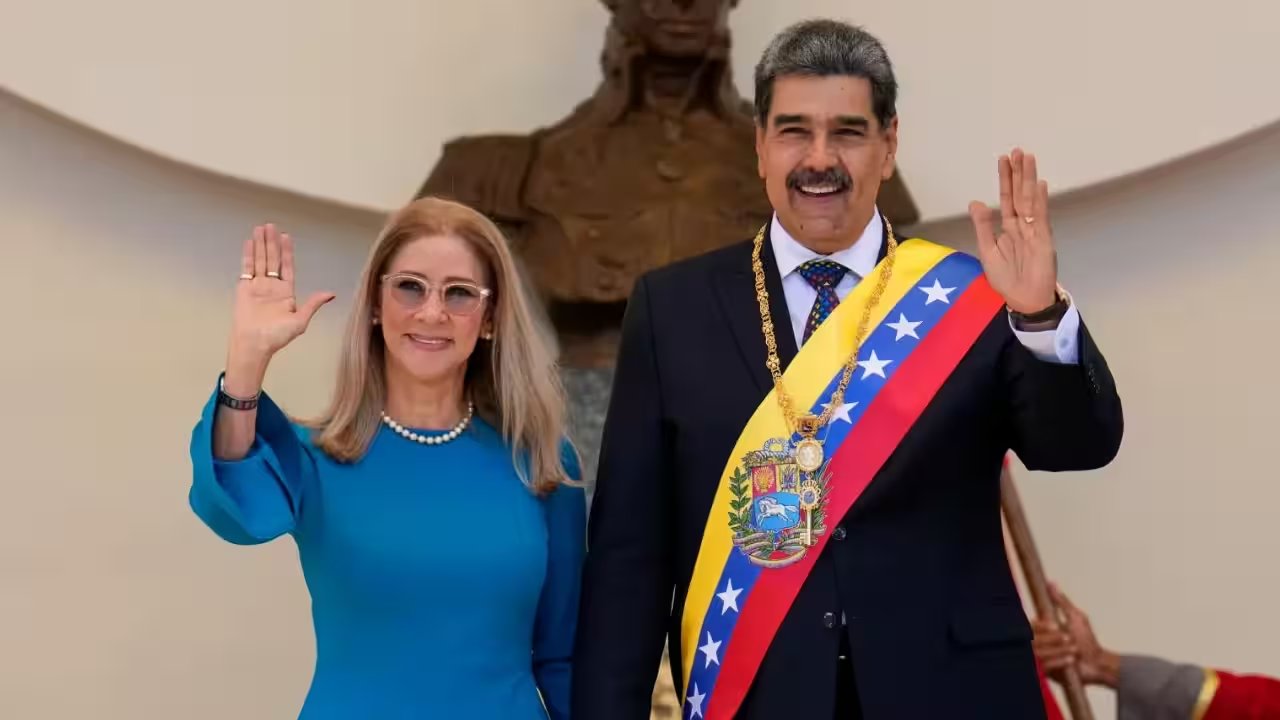
The Department of Justice has significantly escalated its legal campaign against former Venezuelan President Nicolás Maduro, adding conspiracy to commit torture to his existing drug trafficking indictment. Unsealed on Thursday, the new document accuses Maduro and his wife, Cilia Flores, of overseeing a systematic regime of abuse designed to silence dissent. This marks a sharp departure from the earlier focus on cocaine importation, shifting the narrative toward human rights violations committed during Maduro’s tenure.
The indictment alleges that thousands of Venezuelans were harassed, arrested, and tortured under the direction of Maduro’s government. Specific methods cited include electric shocks, beatings, and asphyxiation. Disturbingly, the filing details an instance where Maduro allegedly threatened to kill a prisoner’s child as a form of psychological torture. Three US citizens are named as victims in the revised charges, facing allegations of severe physical abuse while in detention.
One of the alleged victims, a US citizen, reportedly survived eight months of detention that included being forced to eat his own vomit and subjected to electric shocks. Another claimant was beaten so severely that he required a lengthy hospital stay, with prosecutors alleging a gun was placed in his mouth. A third victim allegedly suffered permanent eye damage after being handcuffed, hooded, and beaten every half hour for two days. These specific allegations aim to paint a picture of institutionalized brutality rather than isolated incidents.
Cilia Flores appeared in court on the same day to seek house arrest, citing health problems that she argues cannot be treated in jail. Her lawyers state the 69-year-old has lost 11 kg while held in Brooklyn and may have suffered a minor heart attack in July. Prosecutors fiercely opposed the request, labeling her an extreme flight risk and a danger to the public, noting she has already received medical care at a local hospital when necessary.
Maduro and Flores have both pleaded not guilty to the original cocaine conspiracy charges, with their legal team arguing that both are protected by sovereign immunity as a head of state and first lady. The Trump administration, which seized the couple from Caracas in a nighttime operation in early January, maintains the capture was a lawful enforcement action. Maduro, who calls himself a prisoner of war, now faces a more complex legal landscape where human rights allegations compound the drug case. The next major procedural step will likely involve the court’s decision on Flores’s motion for release and the scheduling of pretrial hearings for the expanded indictment.