EVBattery TestingARAIIndiaAutomotive Research
ARAI Launches ₹55‑Crore EV Battery Lab to Accelerate Safety Testing
Published: October 30, 2026
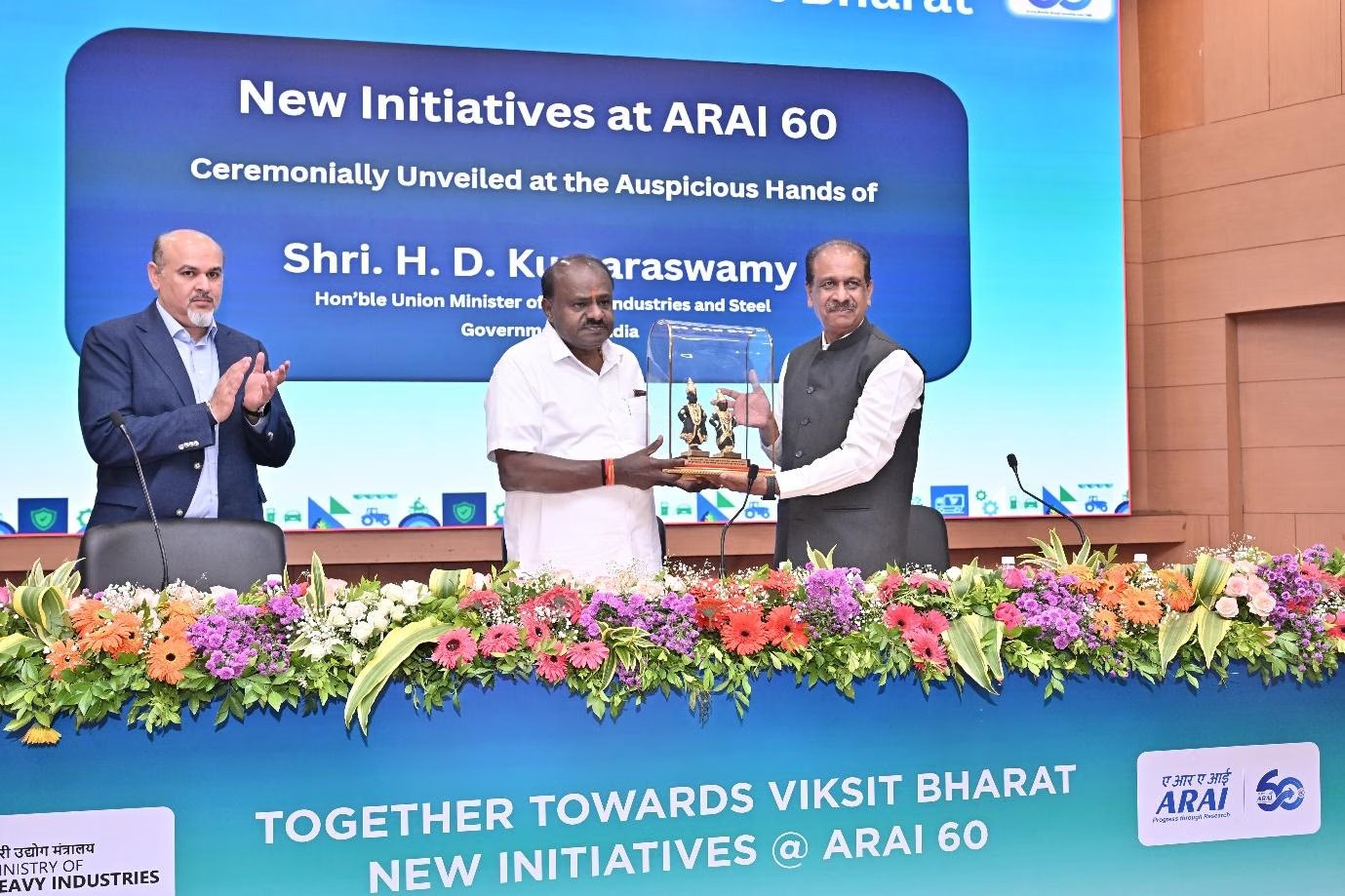
India’s ARAI has opened a ₹55‑crore Advanced Battery Laboratory in Pune, aimed at streamlining safety certification for EV batteries. This move should tighten standards, reduce time‑to‑market, and give buyers more confidence in domestic electric cars.
ARAI’s new lab, housed in Pune’s tech corridor, just broke ground with a ₹55‑crore budget announced by Union Minister H.D. Kumaraswamy. The facility will handle everything from battery performance tests to safety certification and export compliance.
For the average EV buyer, that means batteries will now meet a higher benchmark before rolling onto the road. Faster, more rigorous testing could trim production costs, potentially keeping retail prices in check while boosting reliability.
Alongside the battery lab, ARAI is rolling out a two‑dynamometer e‑axle and power‑train test station. It’s a first‑of‑its‑kind in India, giving manufacturers a sandbox to tweak torque delivery and efficiency. Competitors like TUV and TÜV Rheinland already offer similar rigs abroad, but ARAI’s setup will be the only one built to Indian grid and climate conditions.
In a separate move, ARAI signed an MoU with Skoda Auto Volkswagen India to hand over a parcel of land for an Advanced Crash Test Facility. That partnership signals a move toward a domestic crash‑testing ecosystem, which will help Indian EVs meet stricter safety norms and possibly reduce import duties on crash‑test equipment.
The battery lab is slated to be fully operational by Q4 2026, with the e‑axle station coming online mid‑2027. Once live, automakers will be able to submit prototypes for rapid certification, potentially shortening the launch window for upcoming models like the Tata Nexon EV and Mahindra eKUV100. Buyers should watch for any price adjustments or warranty extensions that follow this tighter safety net.
What’s next? Watch for ARAI’s annual safety report, which will list the first batch of vehicles to pass the new standards. That data will give a clearer picture of how the lab’s presence reshapes the EV landscape for Indian consumers.