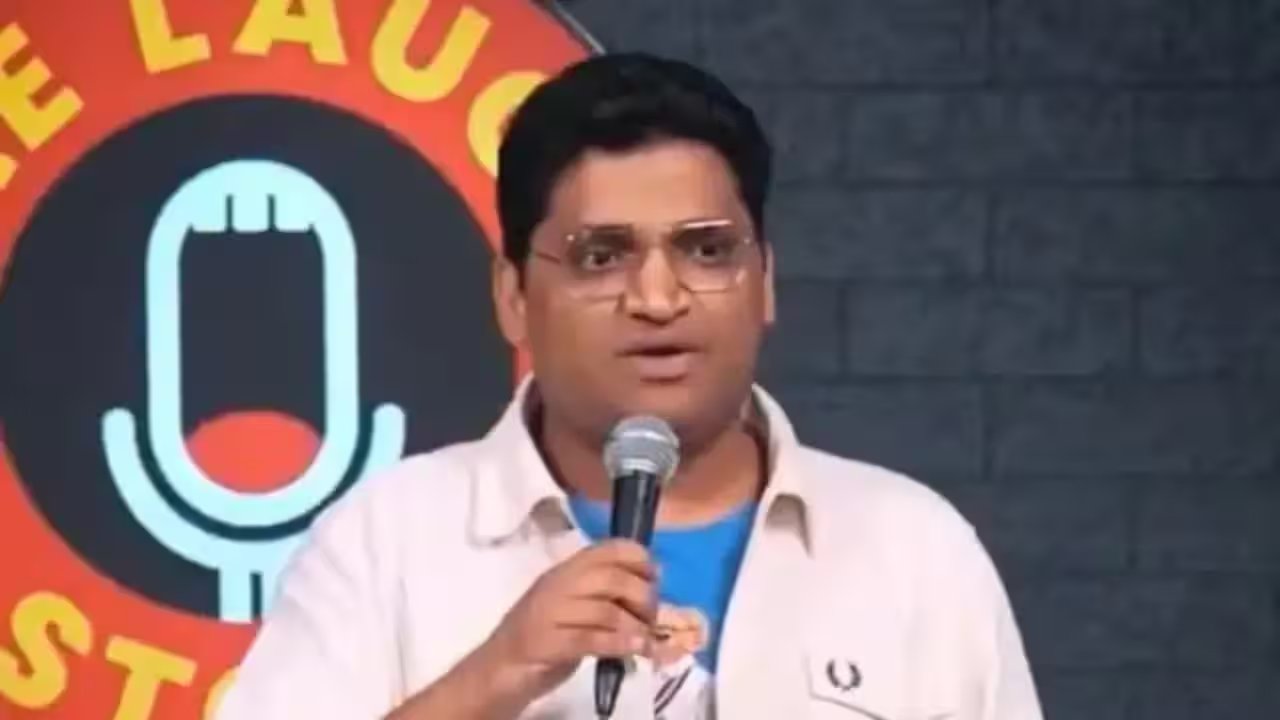
The clip in question shows Gupta engaging with a woman in the audience, immediately labeling her “Yadavni” despite her stated discomfort with the term. He shifts the conversation to her husband’s community, her schooling at Pathways, and her perceived “attitude” as a resident of Gurugram.
What turned the exchange from awkward to offensive was the persistence. Even after the woman indicated she didn't like the nickname, Gupta continued to poke fun at her accent, sarcastically suggesting she had “landed straight from Oxford.” He then pivoted to her financial status, questioning why a housewife would adopt such an accent while “spending her husband's money.”
The backlash was immediate and sharp. Senior IPS officer Arun Bothra took to X to critique the performance, arguing that “making one person the joke is easy” and that true talent lies in humor that leaves everyone laughing, including the subject. Other viewers pointed out that the repeated focus on caste and personal finances felt less like spontaneous fun and more like public humiliation.
Defenders of Gupta argue that this is the inherent risk of crowd work, comparing it to the unpredictability of a live cricket match. They suggest that audiences buy tickets knowing the performer’s style involves sharp, often personal, interactions. However, critics counter that there is a line between playful teasing and systematically singling out someone’s identity and livelihood for ridicule.
This incident highlights a growing fracture in the stand-up community regarding the boundaries of social commentary. While some view caste-based humor as essential to Indian comedy’s authenticity, others see it as a repetitive crutch that strips individuals of dignity. For audiences, the debate forces a hard question: where does the comedian’s right to free expression end and the audience member’s right to dignity begin?