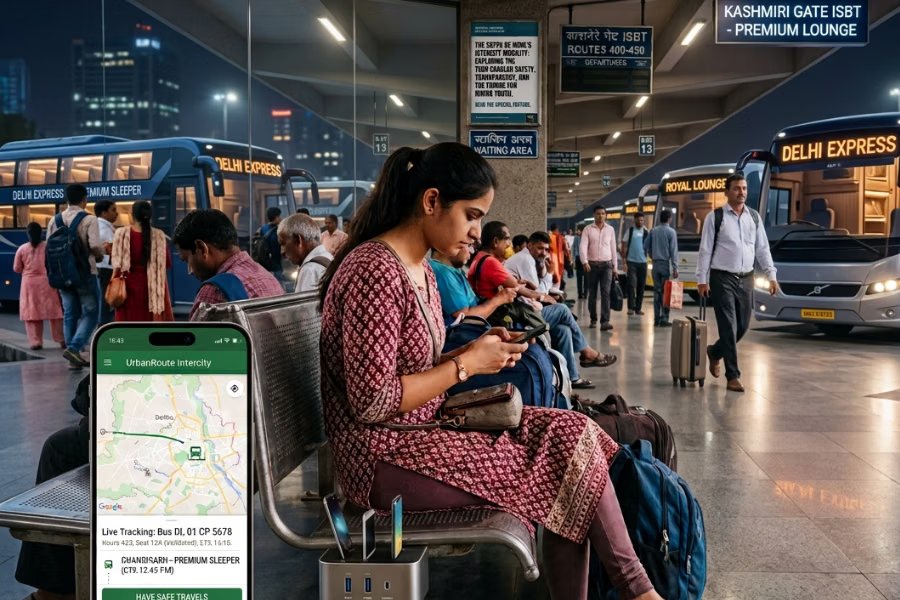
FlixBus India has just added 400+ buses to its roster, stitching together more than 17 states for 400‑600 km runs. The company now runs a network of over 400 vehicles, a leap from the handful that private operators typically manage.
Ninety‑seven to ninety‑eight percent of India’s bus owners run fewer than 15 vans, meaning most of the intercity market is still run by family‑owned rigs that struggle with scaling. FlixBus sidesteps that by partnering with 50‑plus fleets, letting each partner keep the vehicle while the tech handles pricing, routes and safety audits.
A recent IntrCity SmartBus survey of 13,000 travelers shows that 69.6% would pick a bus over a private car for a 400‑600 km trip when the price is the same. That’s a clear sign that a sizeable chunk of the market is willing to trade the freedom of a car for the convenience of a pre‑planned, tech‑managed ride.
Safety remains the driver’s top concern—43% ranked it above affordability and 39% of women said it was the single most important factor. The same respondents said 71% would pay more for better safety, comfort or reliability, with 22% willing to pay outright and 17% up to 20% extra.
IntrCity SmartBus, another platform that keeps buses and risk off‑board, already operates 670+ routes across 17 states. The two companies share a model: network planning, branding and compliance on the tech side, while the fleet stays with the operator. The competition could force car owners to rethink long‑haul options.
FlixBus began its Indian foray in 2023, and the 400‑plus expansion is already rolling out in Delhi‑Mumbai, Bengaluru‑Chennai and other major corridors. The next phase will see the platform push into smaller cities, integrate with rail booking apps, and roll out premium safety features tailored to the 18‑43, salaried‑professional demographic that drives the bulk of the demand.