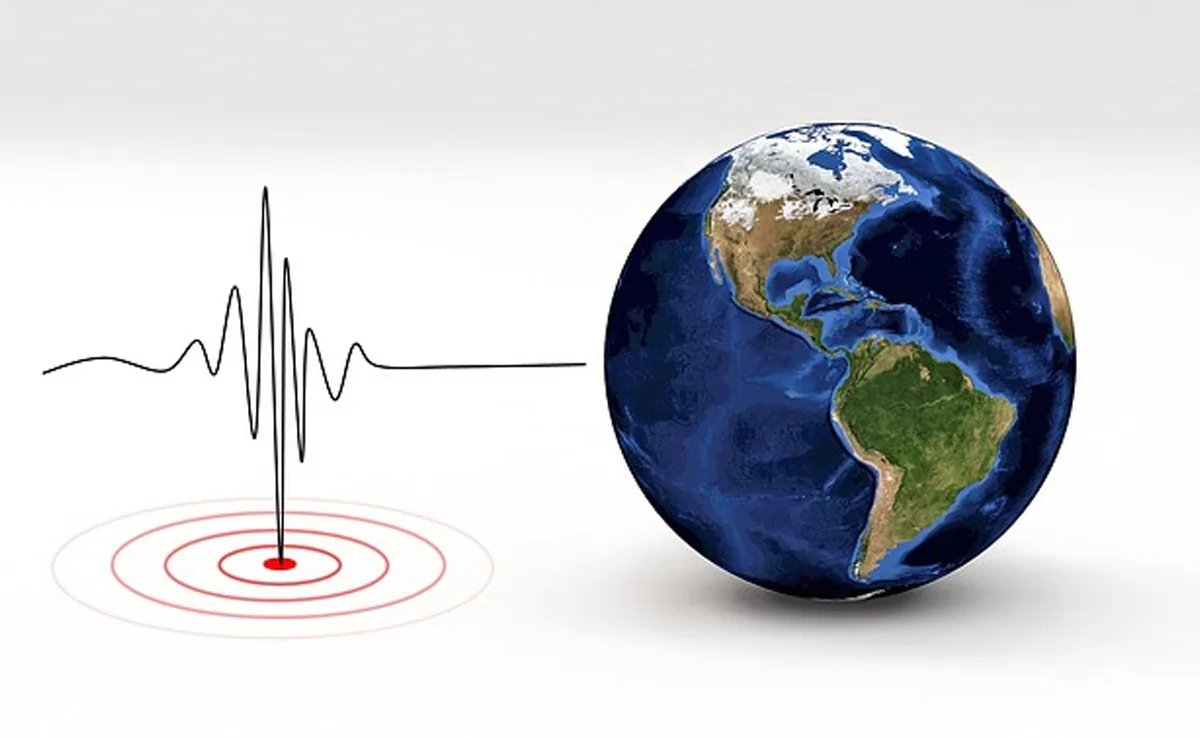
Japan's Meteorological Agency issued a 9.9‑magnitude earthquake warning on Friday after a 6.9‑magnitude tremor struck near Kamchatka, Russia.
The tremor rattled the southern Kamchatka peninsula early Friday, and its seismic waves were felt in Hakodate, Japan, prompting the agency to send an emergency alert to residents.
The warning, released only minutes after the quake, was later withdrawn by the agency, which issued a public apology for the mistake. According to The Japan Times, the retraction came swiftly after the alert was flagged by automated monitoring systems.
A quake of that size would dwarf the 1960 Chile and 2011 Tohoku earthquakes, releasing roughly 32,000 times more energy than the 6.9 event and requiring a fault rupture spanning 3,000 to 5,000 kilometres.
Such a massive rupture would shake the ground for at least five minutes, potentially altering coastlines and shifting the Earth's rotation by micro‑seconds. The event would also be the first to surpass every recorded magnitude in human history.
The agency is reviewing its alert protocols, and officials expect a full audit by the end of next month to prevent future errors in seismic warnings.