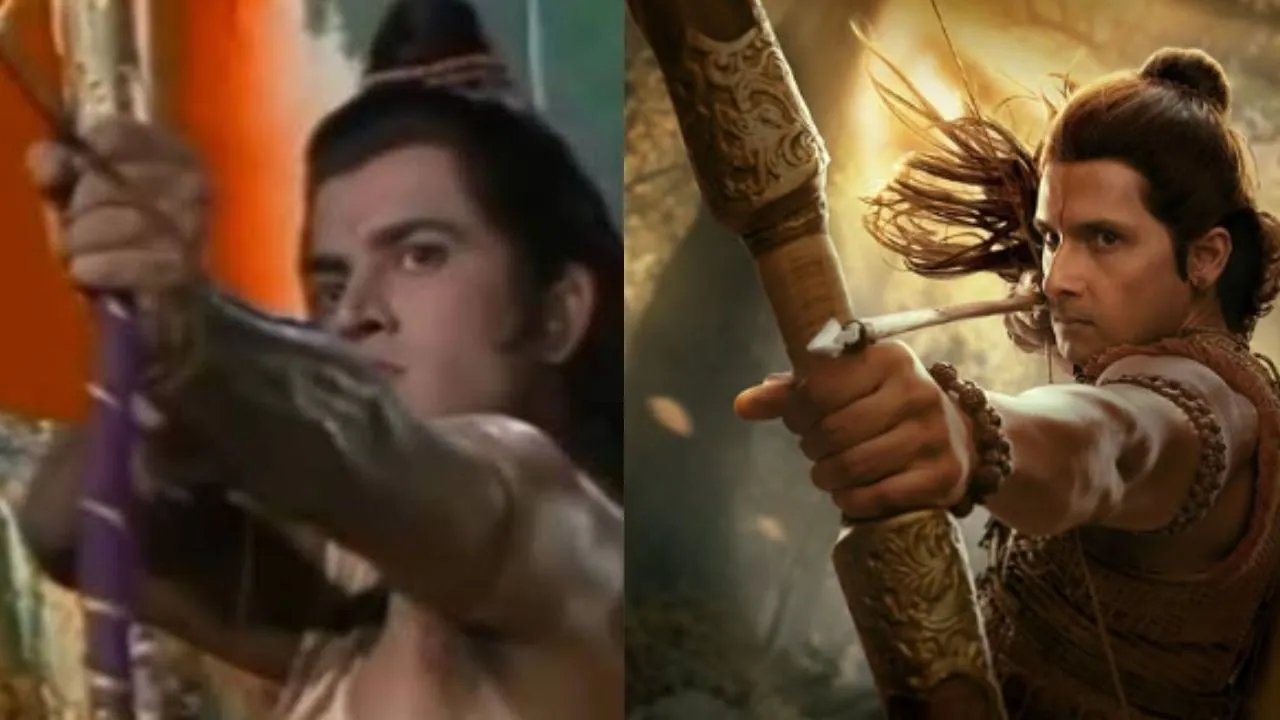
Sunil Lahri has passed the quiver. As director Nitesh Tiwari’s screen adaptation of Ramayana arrived in theatres on November 5, 2026, the man who defined Lakshman for an entire generation gave his backing to his modern counterpart. Ravi Dubey holds the bow now. Lahri delivered his public verdict on release day, praising Dubey’s casting in the big-ticket project.
Lahri delivered his endorsement through a fan-cut reel juxtaposing his 1987 television performance with Dubey’s high-tech cinematic avatar. The video framed Lahri’s archival run with "No VFX, no reference" against Dubey’s version backed by "latest technology and many references." Lahri cut through the online comparisons to focus on character essence. "The innocence and intensity should be reflected in the character of Laxman is visible in new Ramayana," Lahri stated, offering hearty wishes for the production's theatrical run.
Dubey cleared the hurdle. The music was another story. Days before backing Dubey, Lahri publicly critiqued the film’s sonic palette, crafted in a historic, first-time collaboration between Hollywood composer Hans Zimmer and AR Rahman. Music serves as the narrative spine of Indian mythological cinema. For Lahri, the global soundscape missed the regional dirt and devotional cadence of northern India. "Mujhe vishwas hai... Nitesh ji ek bohot hi acche director hai, pehle unhone achhi filmein banayi hai," Lahri stated, before admitting that select tracks disappointed him because the regional textures of Ayodhya and Mithila felt missing from the arrangements.
Lahri was not alone in his reaction. The Zimmer-Rahman soundtrack drew immediate blowback across cinema forums, particularly over the track "Mangal Rang" for leaning into Sufi and Qawwali textures rather than classical devotional roots. While Lahri clarified that he evaluated the score merely as an ordinary listener rather than an institutional music authority, his critique highlighted the friction between cross-continental commercial polish and regional authenticity.
Tiwari’s production—which features Lara Dutta taking on the complex role of Kaikeyi—now faces the public ticket window. The expansive retelling rolls out across two distinct cinematic instalments. With the first chapter currently playing on screens ahead of Diwali, Tiwari’s team has slated Part 2 for a Diwali 2028 theatrical rollout.