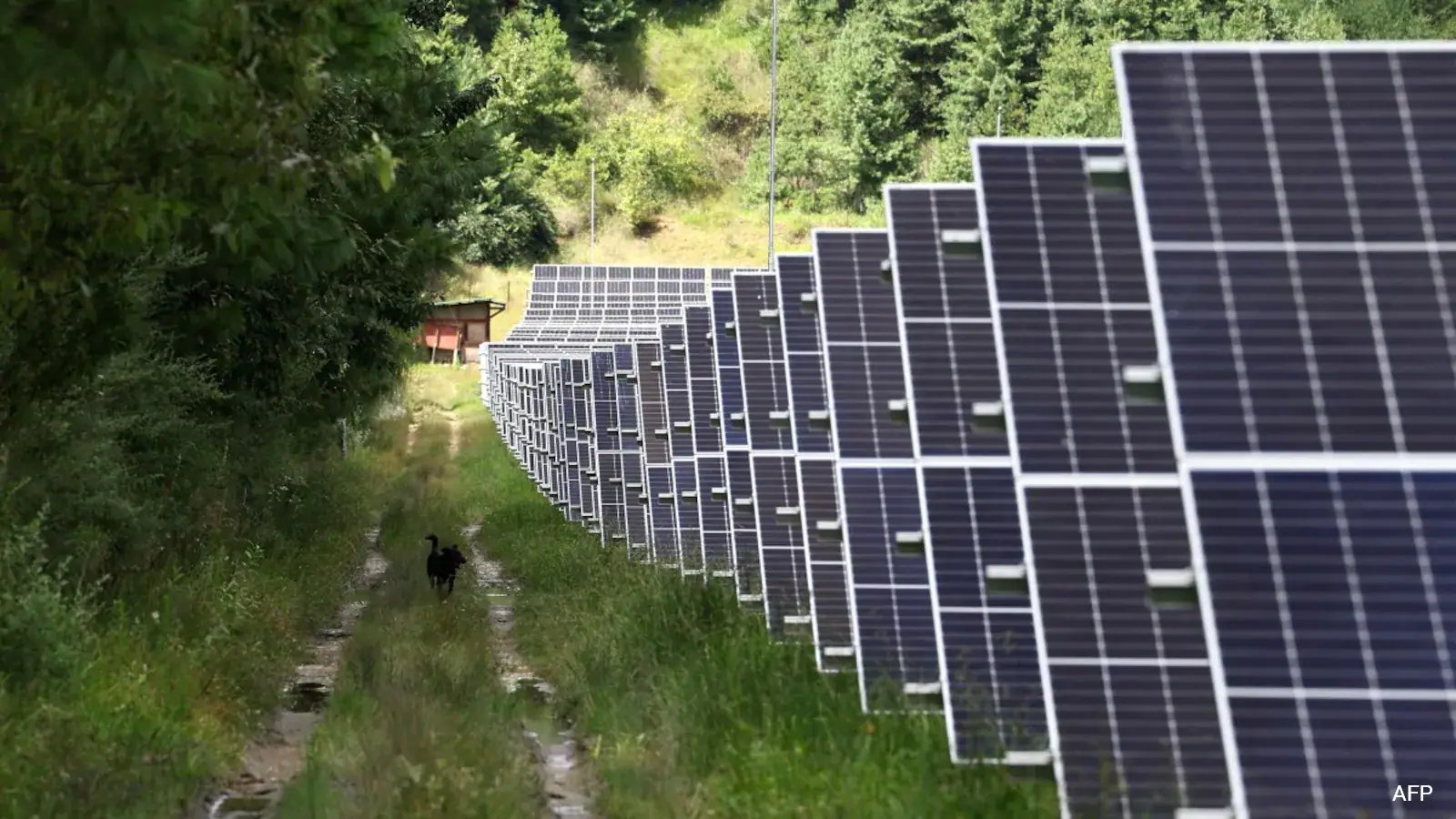
Bhutan’s hydropower plants, which generate roughly 3,700 MW, lose about 80% of that output during the dry winter months, when meltwater is scarce. The resulting gap pushes the country to import up to 1,500 MW of electricity from India, up from the 400 MW it consumed during the peak hydropower season.
In an effort to diversify its energy mix, the country’s largest solar project—Dechencholing, a 4.45‑MW farm on a former military range near Thimphu—has just gone online, adding a modest but symbolic chunk to the grid. Druk Green Power’s managing director Chhewang Rinzin said the government is targeting 5,000 MW of solar capacity in the next decade, a figure that would represent one‑fifth of the 25,000‑MW goal set for 2040.
Space is the biggest hurdle. Bhutan’s rugged topography means a ground‑based solar farm of a few megawatts requires vast flat stretches that are scarce, and the roads that do exist are prone to landslides. To overcome this, Norion Renewable Energy trained 450 volunteers under its De‑Suung initiative; 30 of them are already installing rooftop arrays on municipal buildings.
Even rooftop solar is a luxury for most households. 79‑year‑old former minister Om Pradhan paid 600,000 ngultrums (about $6,300) to mount panels on his home, a cost that is out of reach for the bulk of the population, who judge the investment against interest returns rather than long‑term savings.
Beyond solar, Bhutan is courting data centres and bitcoin mining in a planned Gelephu Mindfulness City, hoping the high‑energy demand will bring in foreign capital. The government has already eased foreign investment rules and set a 30‑MW solar target for 2027 to bridge the winter deficit.