InternationalMiddleEastConflictAirTravelYemenWar
Houthis Strike Riyadh Airport: 12 Killed, Saudi Flights Halted
Published: October 11, 2026
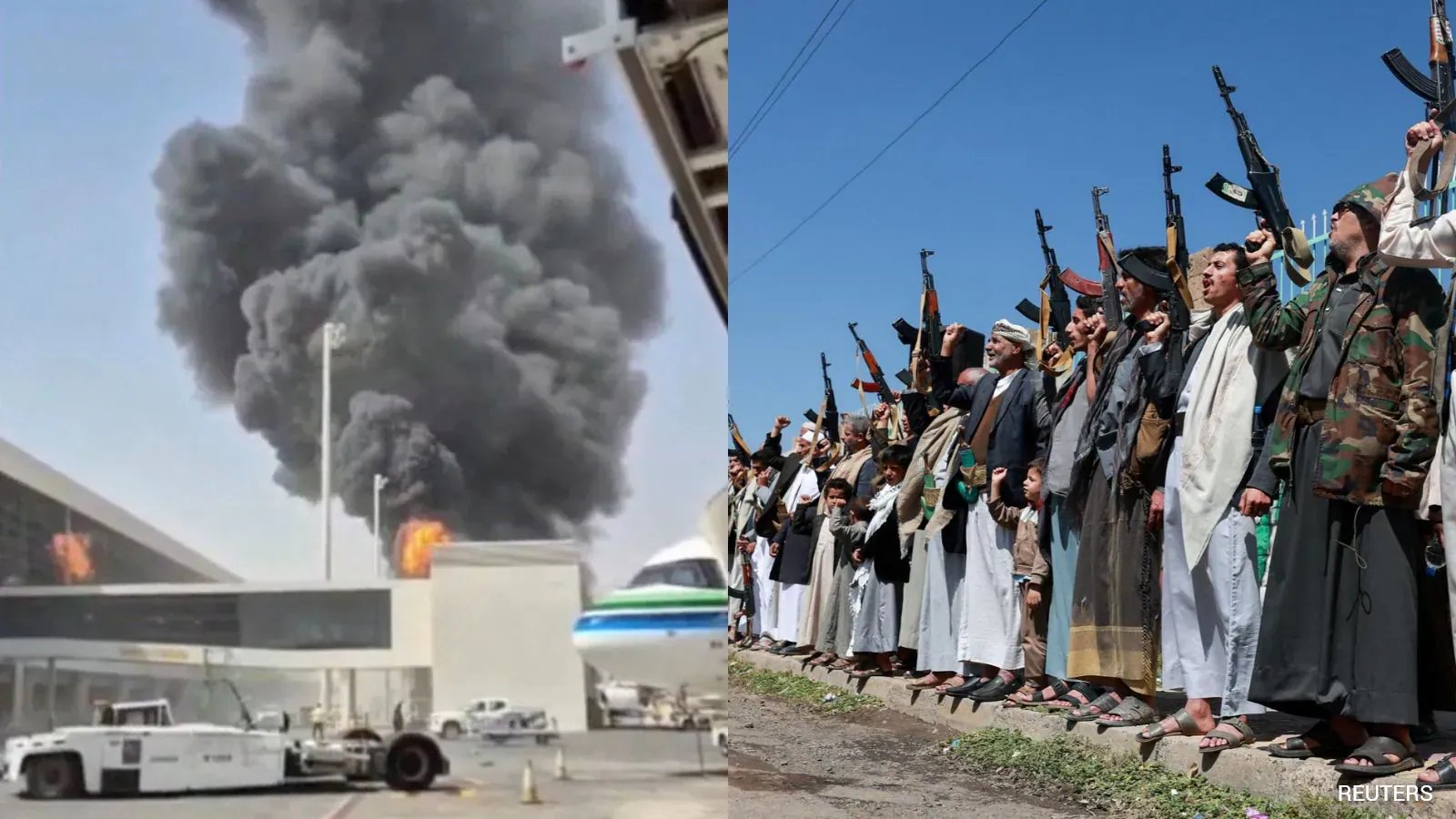
Houthis detonated a missile at King Khalid International Airport in Riyadh on Saturday, killing 12 people and wounding more than 300. Saudi authorities suspended all flights at the airport until further notice and threatened retaliatory strikes.
A missile struck Riyadh’s King Khalid International Airport on Saturday, killing 12 and injuring more than 300.
The attack marks the deadliest incident on Saudi soil since a 2015 suicide bombing and follows a string of Houthi strikes that have escalated over the past month, including a Thursday missile that killed three at the same airport.
Saudi military spokesman Yahya Saree warned on X that “the airports and airspace are exposed to targeting” and that the kingdom’s air operations would be “under increased risk.” Air traffic monitors reported that flights were halted until 2100 GMT, and airport officials said radar and communication systems had sustained damage.
The United Nations, United States, European Union, Pakistan, and Gulf allies denounced the strike. President Donald Trump said he was considering joining Saudi air raids, while EU leaders called the assault a “dangerous escalation.”
A passenger at gate 403 saw the blast, describing a scene of chaos and a “river of bodies” as colleagues fled. In response, Riyadh’s health ministry activated a rare mass call‑up of doctors, and schools switched to remote learning.
Saudi Arabia’s coalition vowed retaliation, and Houthi media reported two Saudi strikes in Yemen’s Sanaa governorate. Flights at Riyadh’s airport remain suspended until authorities lift the ban, and the kingdom is preparing to decide on counter‑strikes.